 Historic Dunfermline
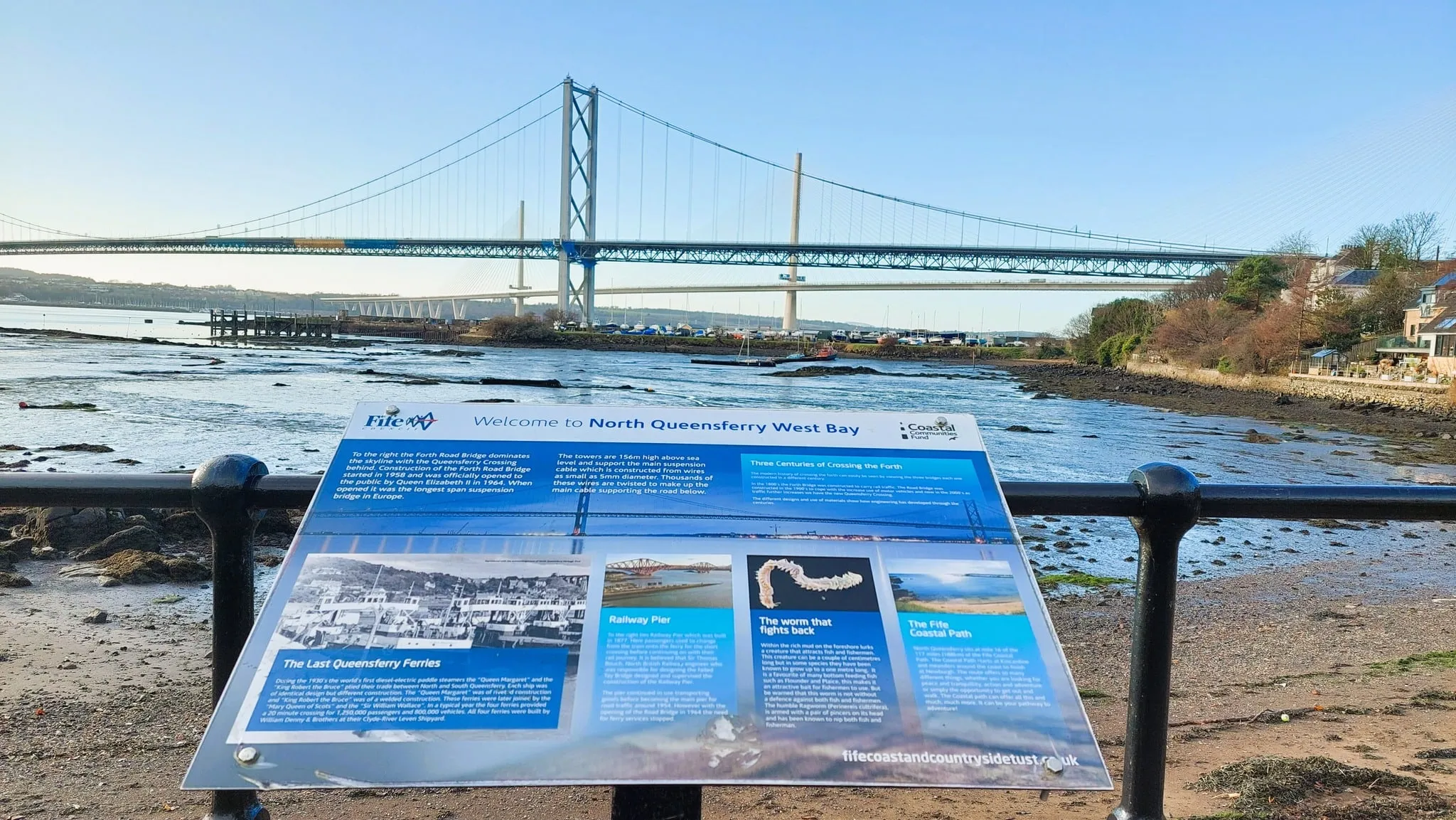
Magnificent North Queensferry: History at Our Doorstep
North Queensferry is named after St Margaret, said to have started the ferry across the Forth for pilgrims. A walk through its history.
29 stories with this tag.
North Queensferry is named after St Margaret, said to have started the ferry across the Forth for pilgrims. A walk through its history.
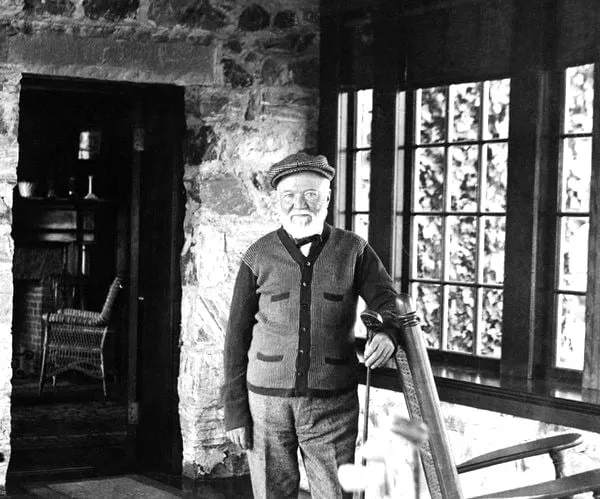
25 November 2025 marked 190 years since the birth of Andrew Carnegie, one of Dunfermline’s greatest sons and one of history’s most controversial philanthropists.
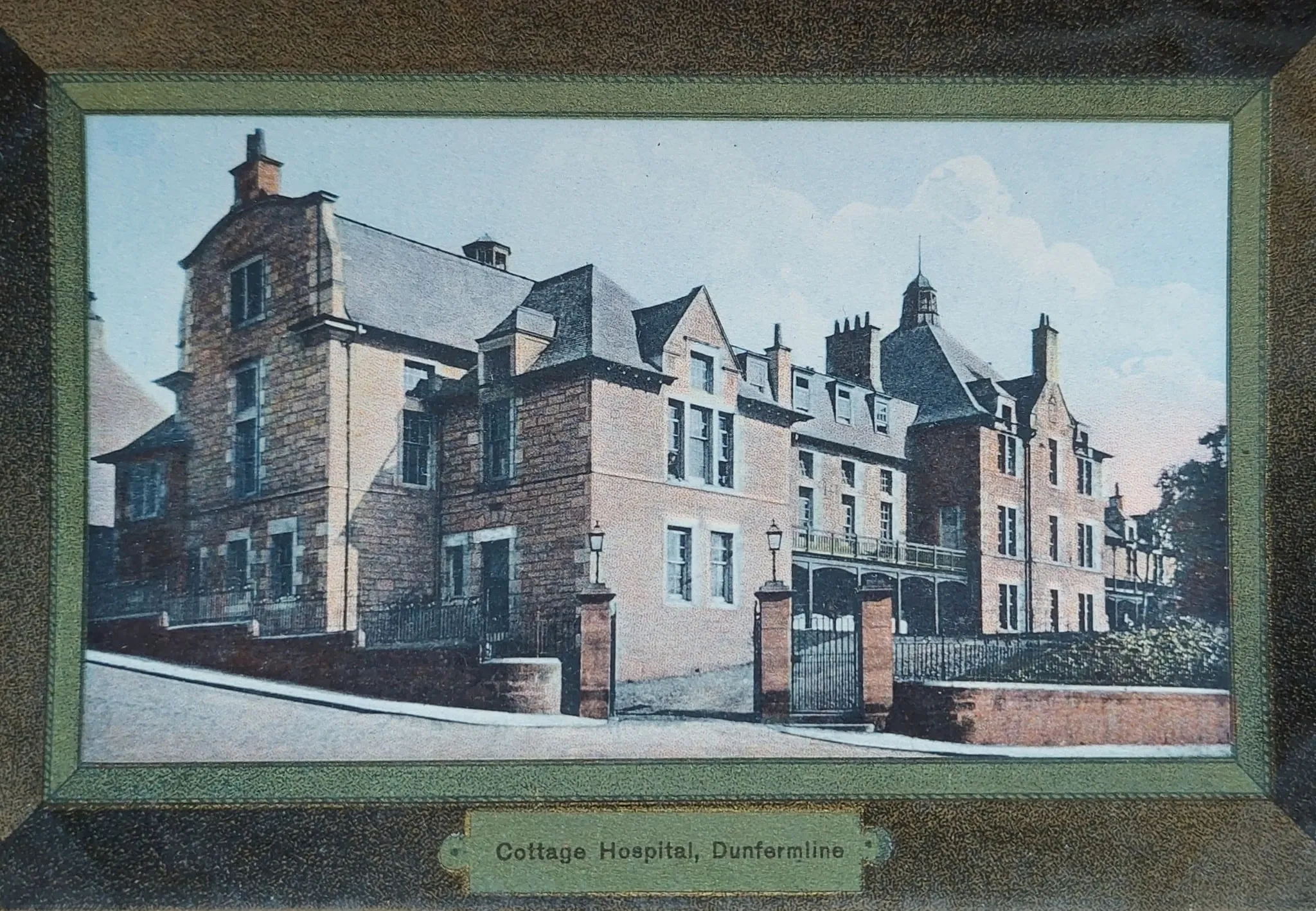
For a century Dunfermline Cottage Hospital stood on Nethertown Street, where New City House stands today. The story of a vanishing piece of the town’s history.
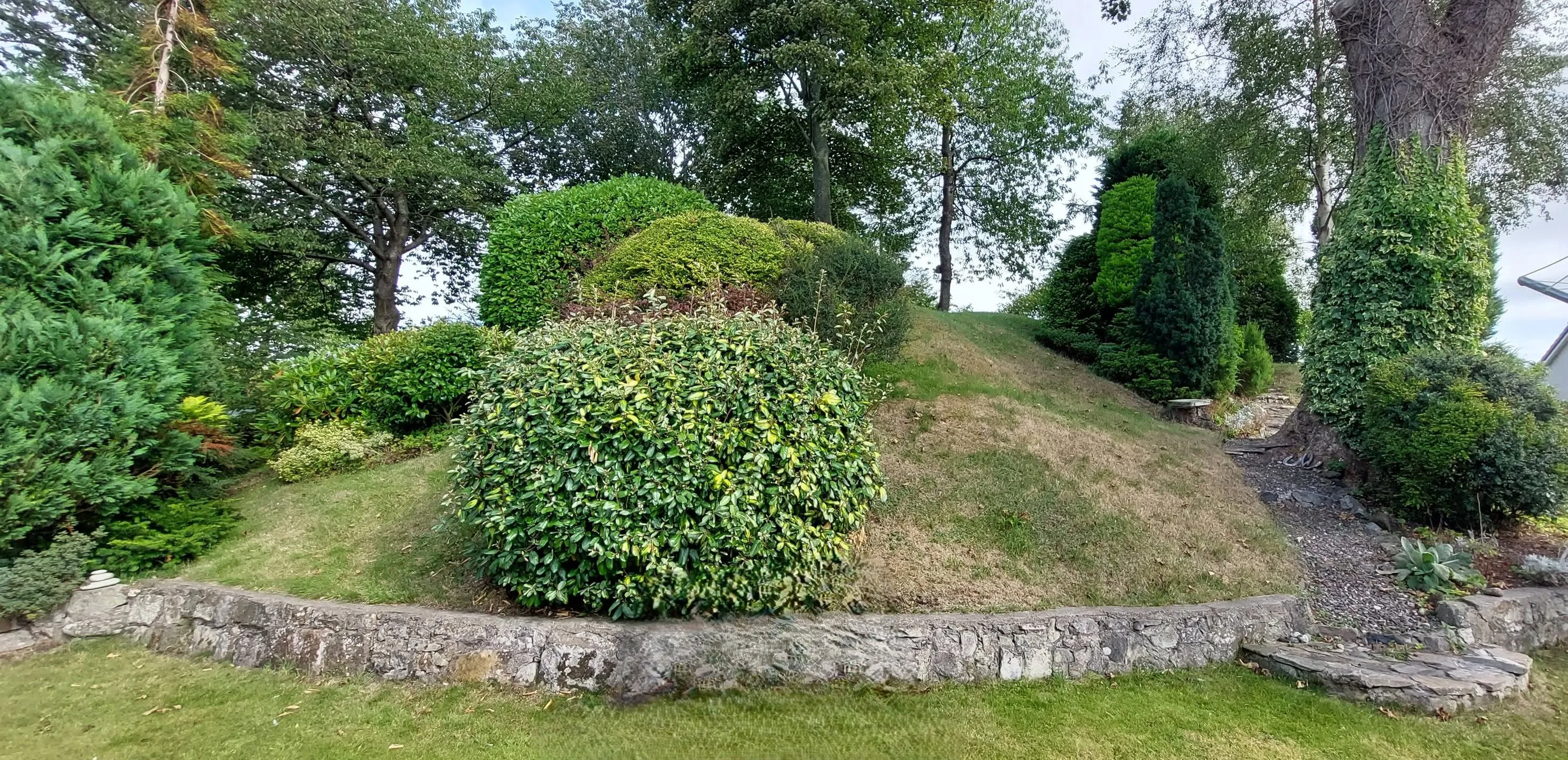
A small hill in the south of Dunfermline may be a motte, a burial mound or a place of worship, and could even be the "Dun" the town is named after.
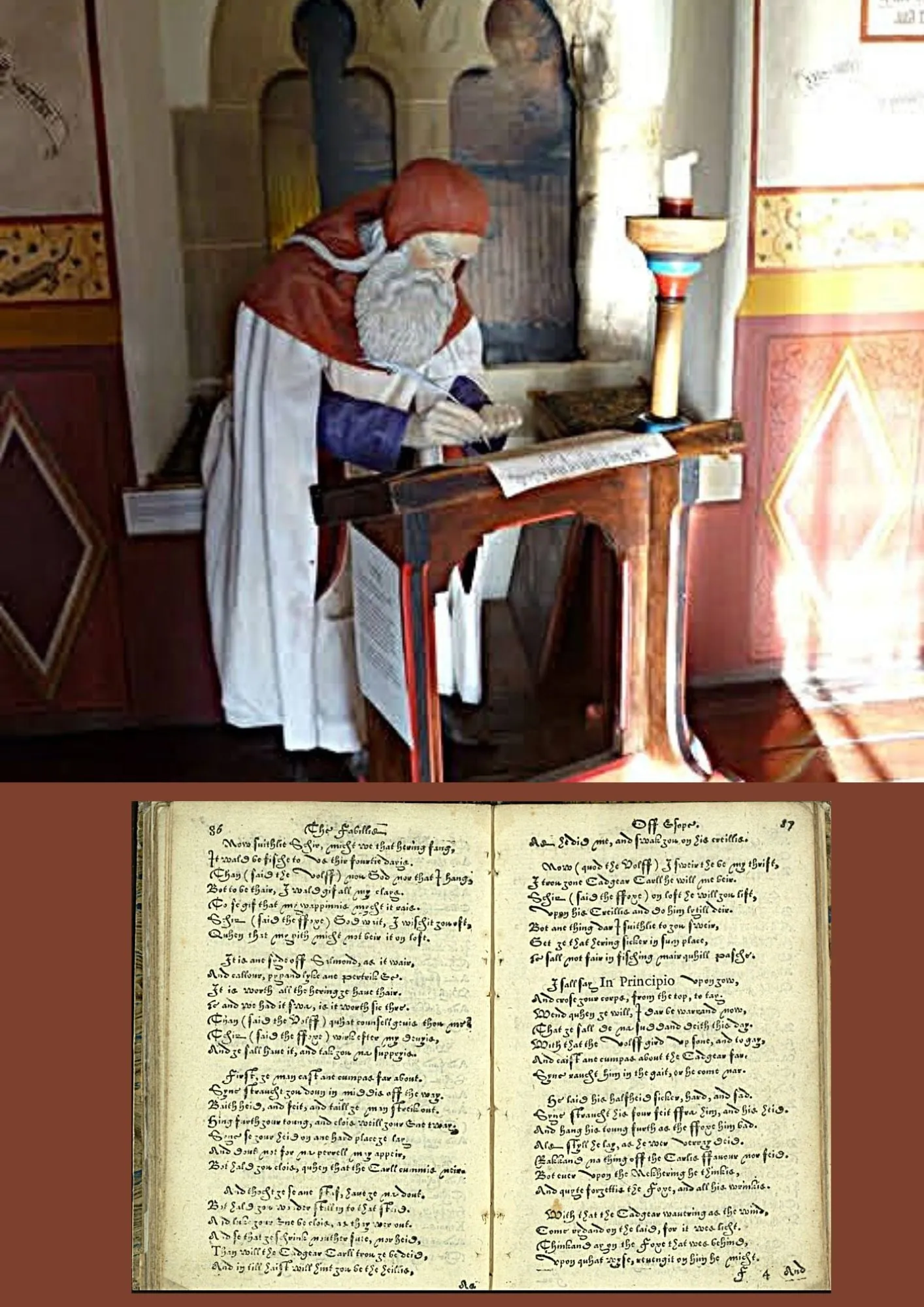
Robert Henryson, one of Scotland’s great medieval poets, flourished around 1460–1500 and was chief schoolmaster of Dunfermline.
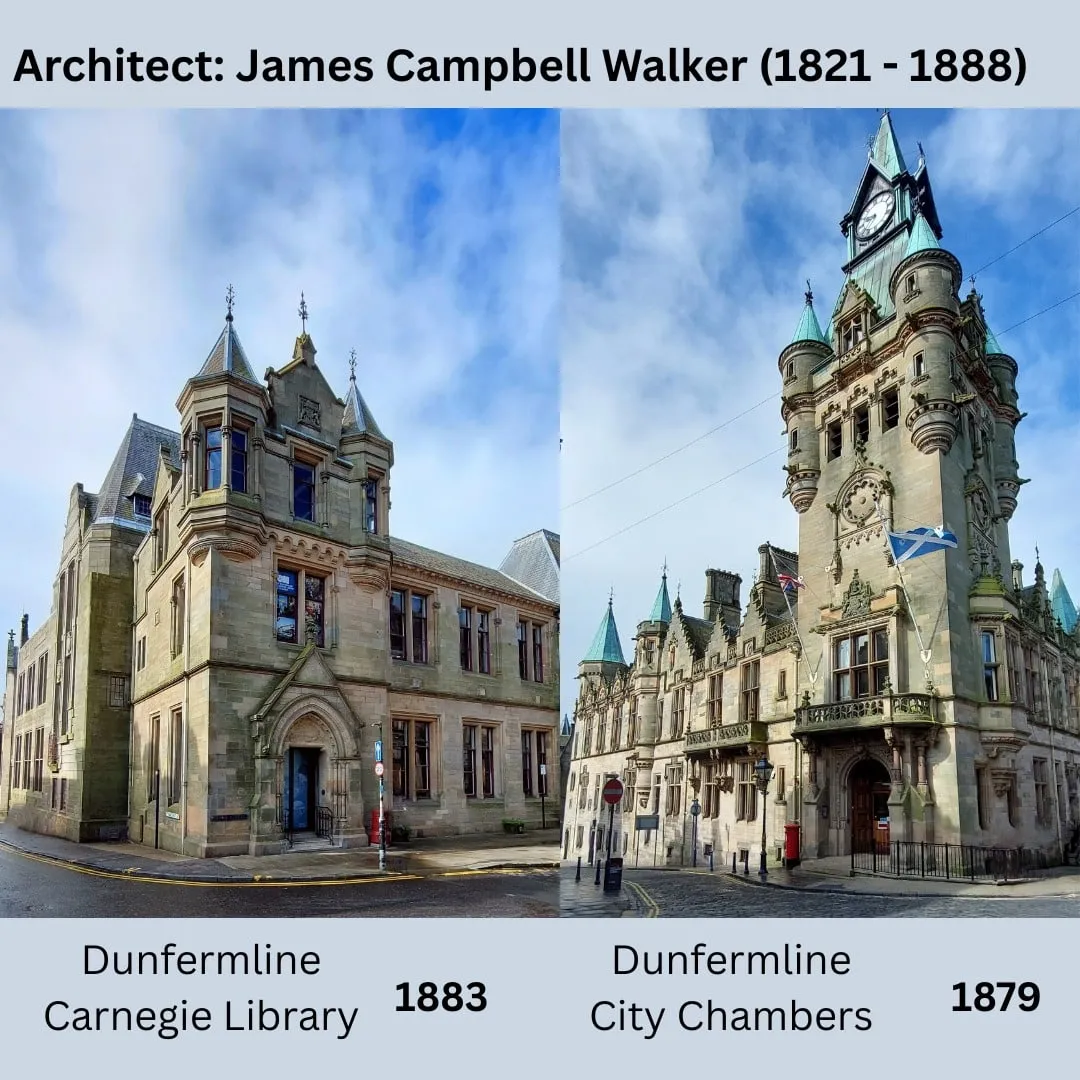
Dunfermline’s Carnegie Library and City Chambers look very different, but both were designed by the architect James Campbell Walker.
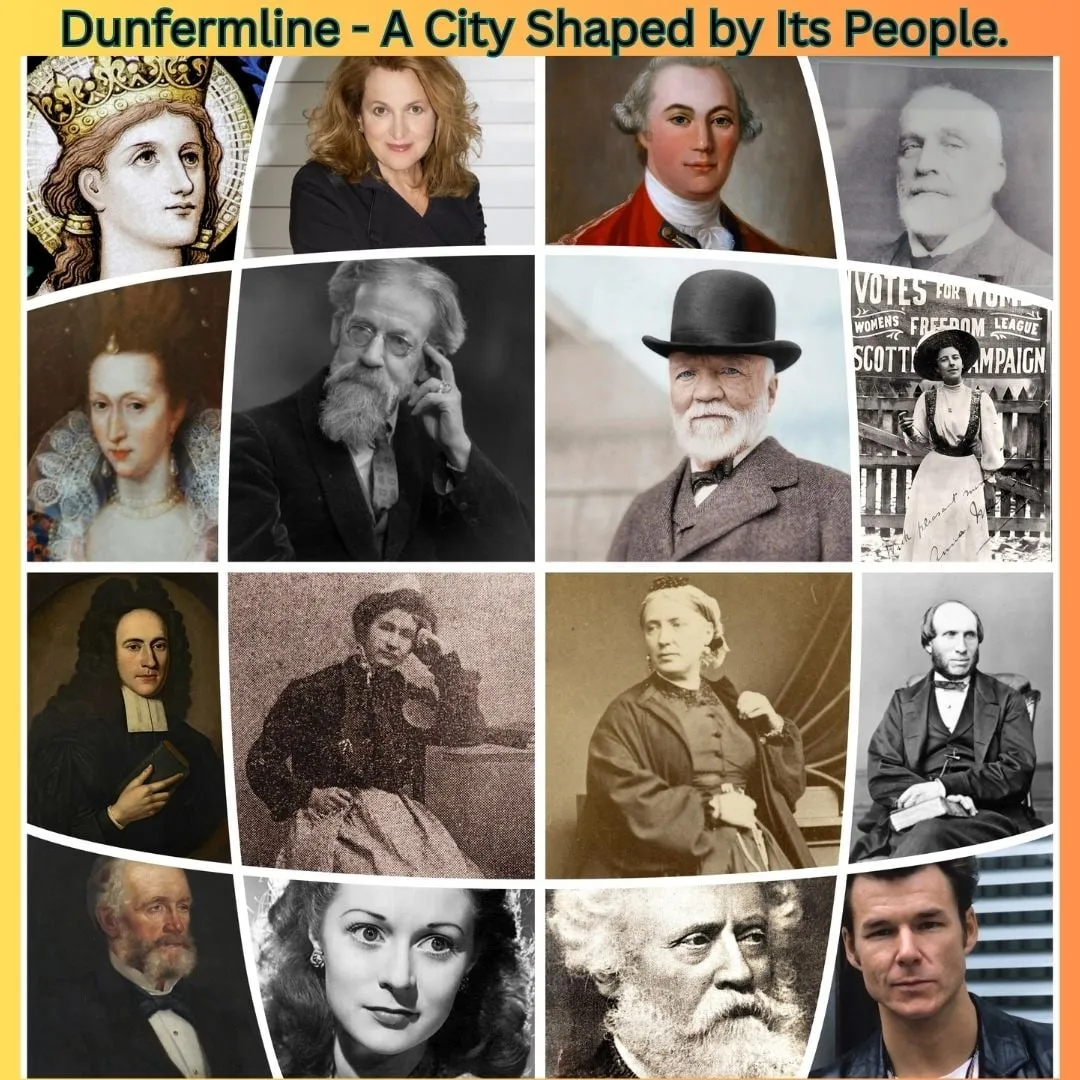
Industrial pioneers, social reformers, artists, architects and royalty: the people whose stories shaped Dunfermline and the nation.
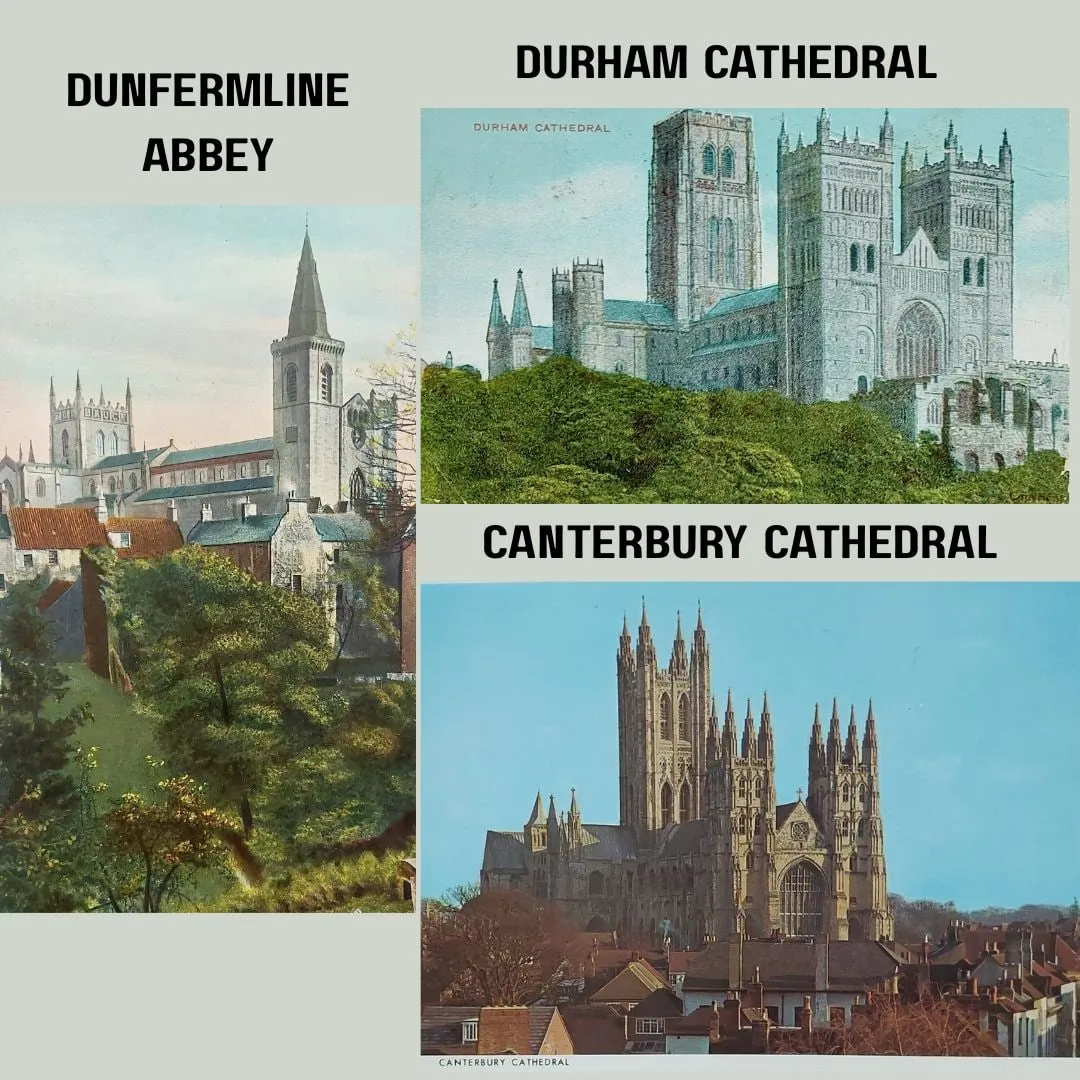
Canterbury Cathedral, Durham Cathedral and Dunfermline Abbey share striking similarities in their architecture, and deep connections in their history and purpose.
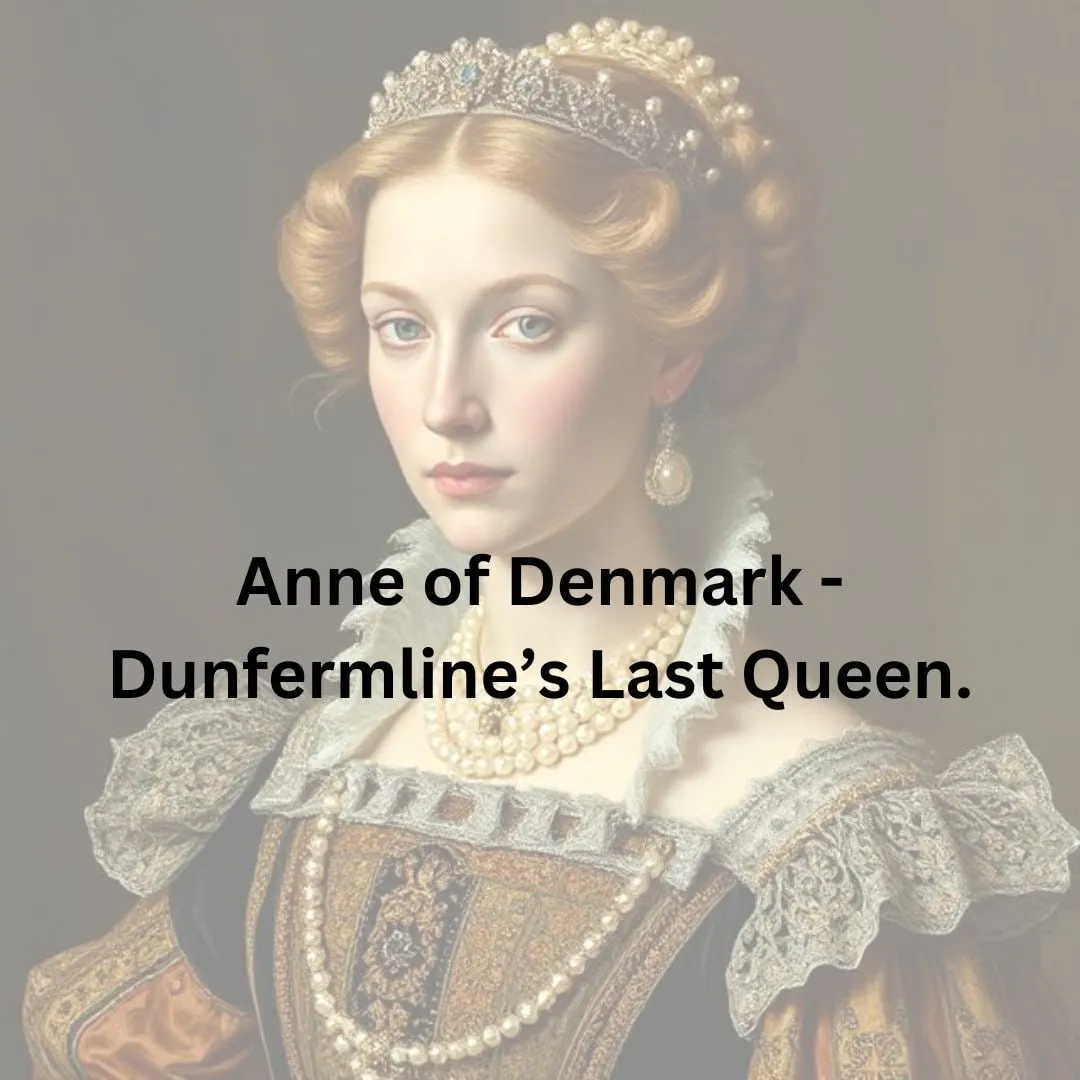
Anne of Denmark married James VI in 1589 at the age of 14. The day after their wedding he gave her a royal house in Dunfermline. The story of Dunfermline’s last queen.
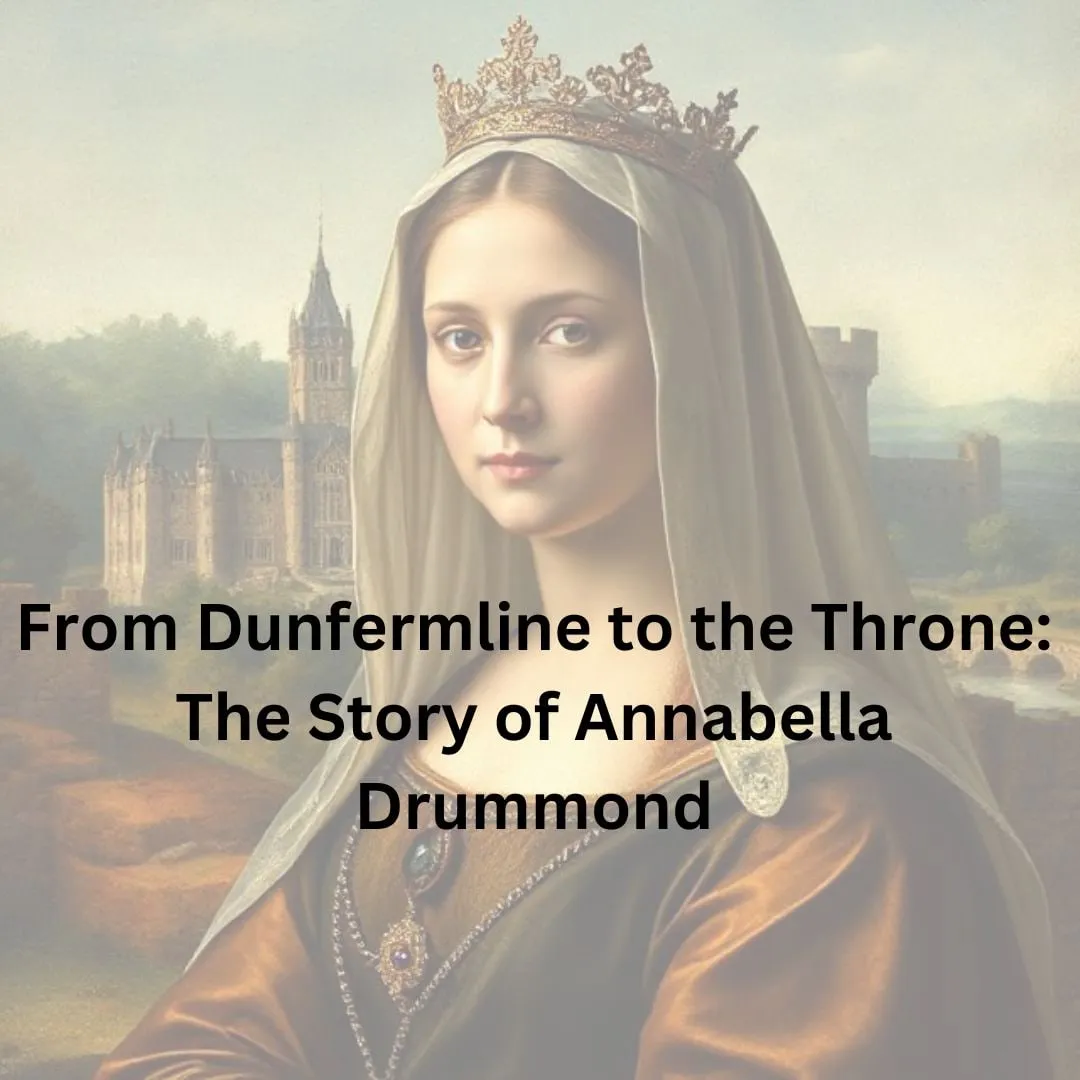
Annabella Drummond (c. 1350–1401), believed to have been born at Dunfermline Abbey, became Queen of Scotland as the wife of Robert III.
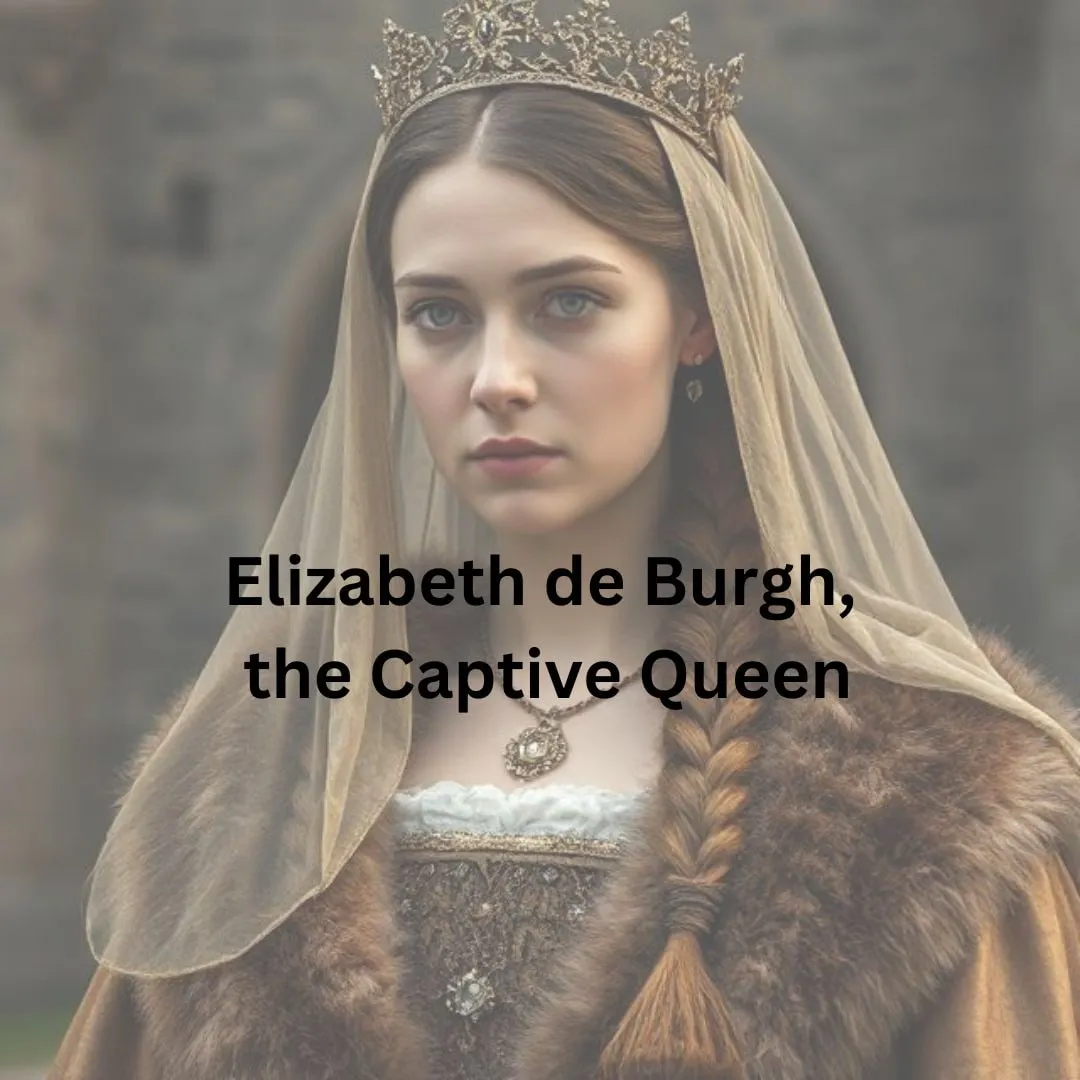
Elizabeth de Burgh, born around 1289 and a goddaughter of Edward I, married Robert the Bruce in 1302 and became his queen.
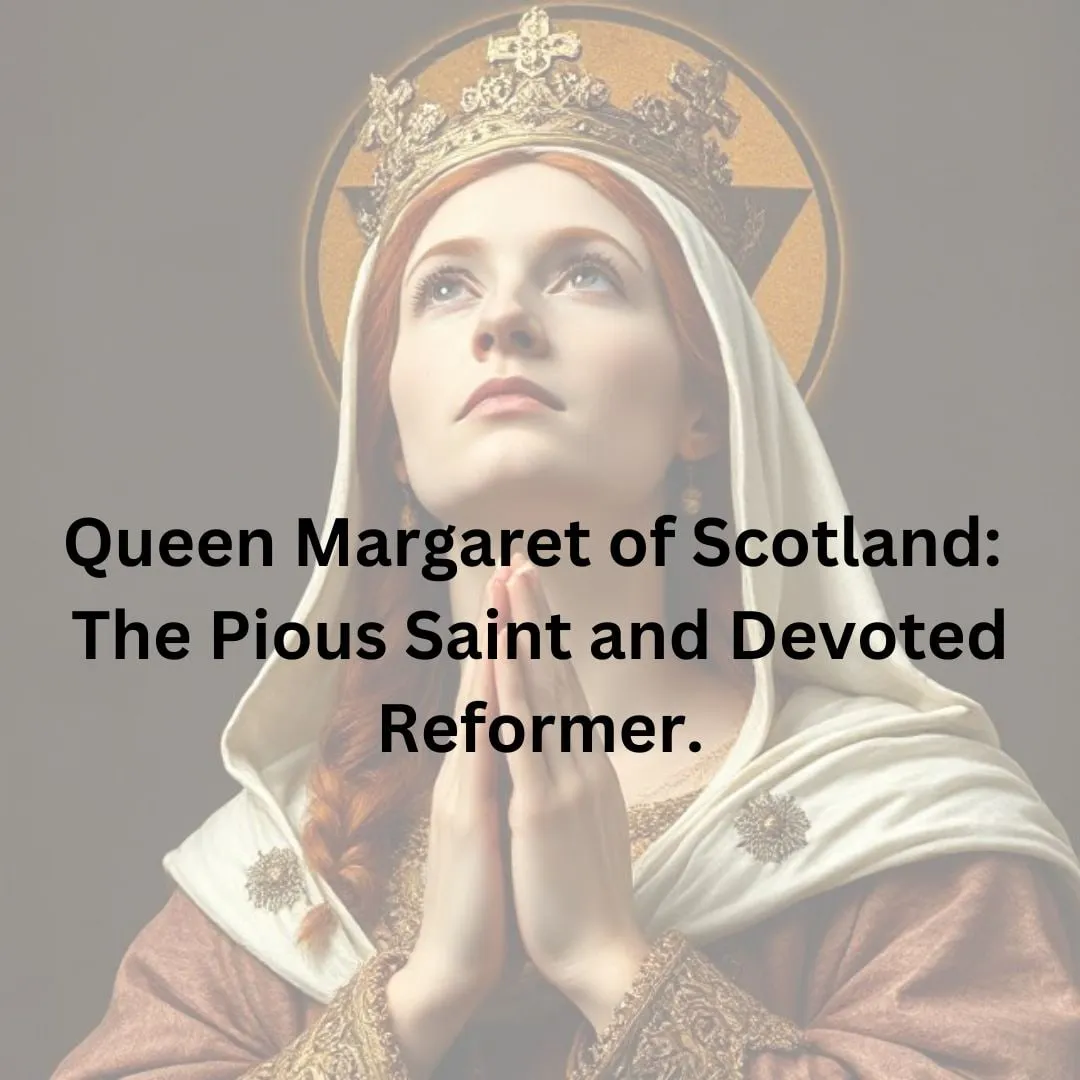
After the Norman Conquest, Margaret’s family fled England. A storm drove their ships into the Firth of Forth, where King Malcolm welcomed them. The story of Scotland’s saintly queen.