 Historic Dunfermline
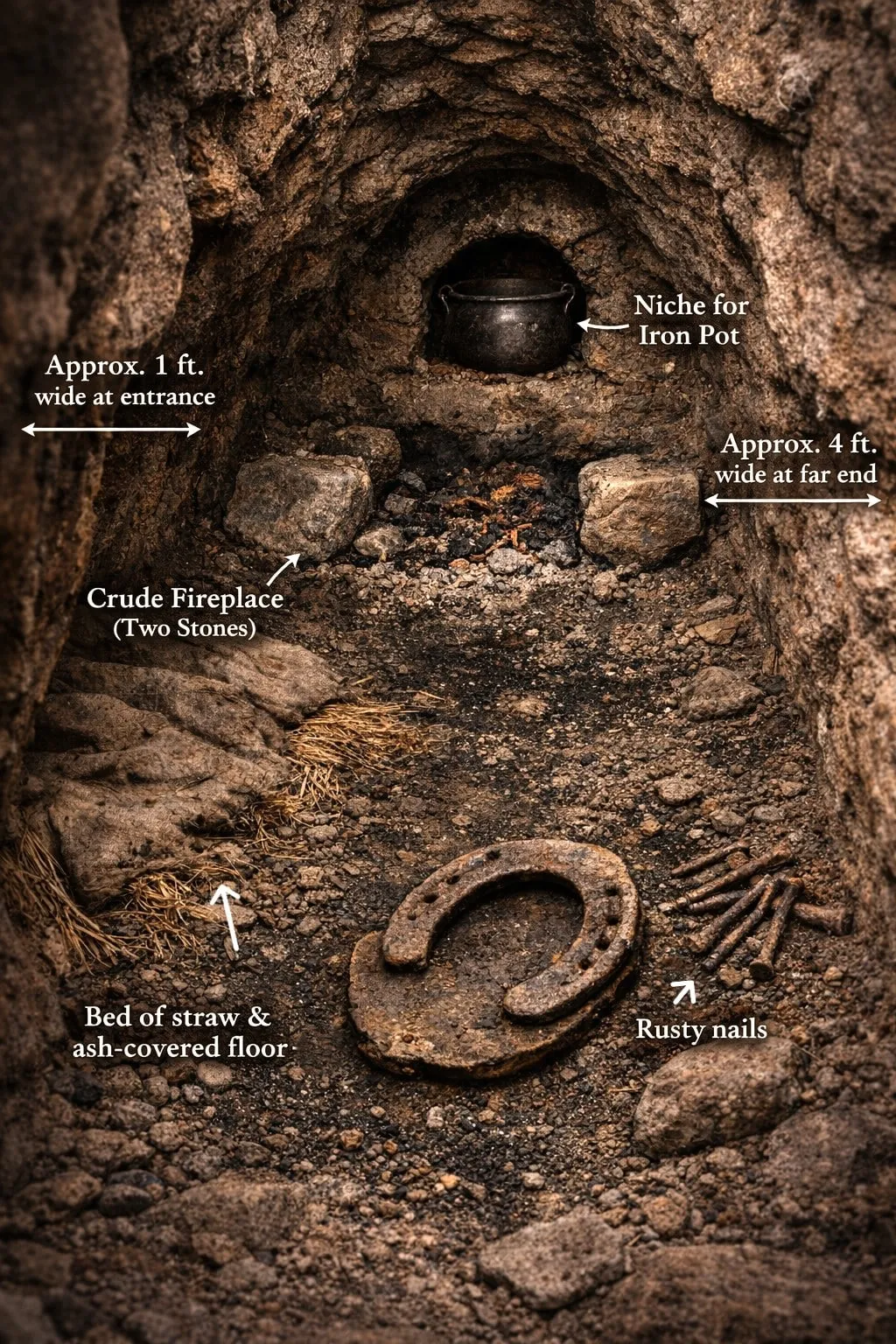
Unsolved Mystery: Wallace’s Cave, Dunfermline, 1906
In 1906 works on Tower Hill uncovered a natural cave with signs of human activity. It was soon called Wallace’s Cave. What was it really?
12 stories with this tag.
In 1906 works on Tower Hill uncovered a natural cave with signs of human activity. It was soon called Wallace’s Cave. What was it really?
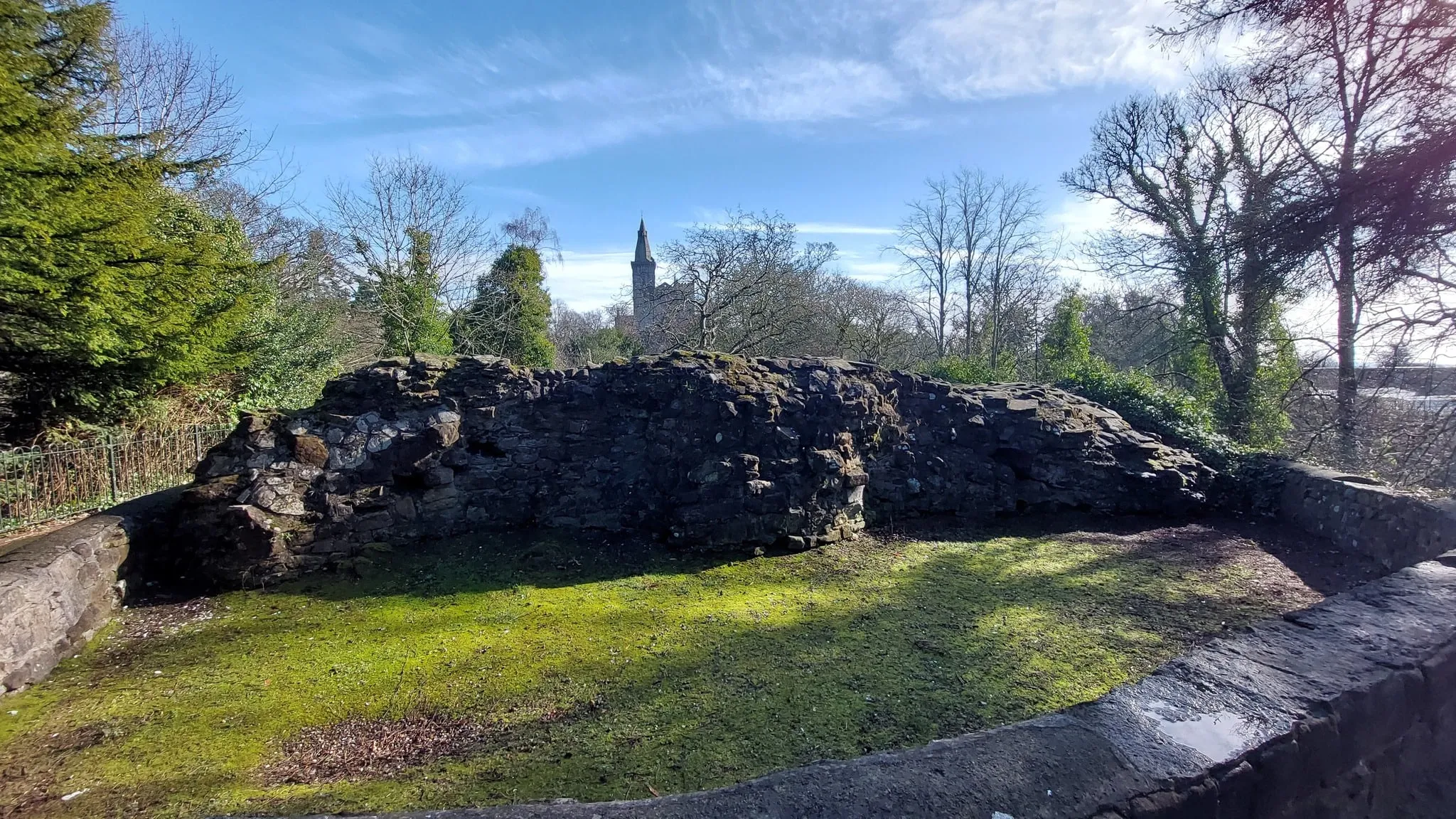
Origins, significance and research: everything known today about Malcolm Canmore’s Tower on Tower Hill, long linked with the origins of Dunfermline.
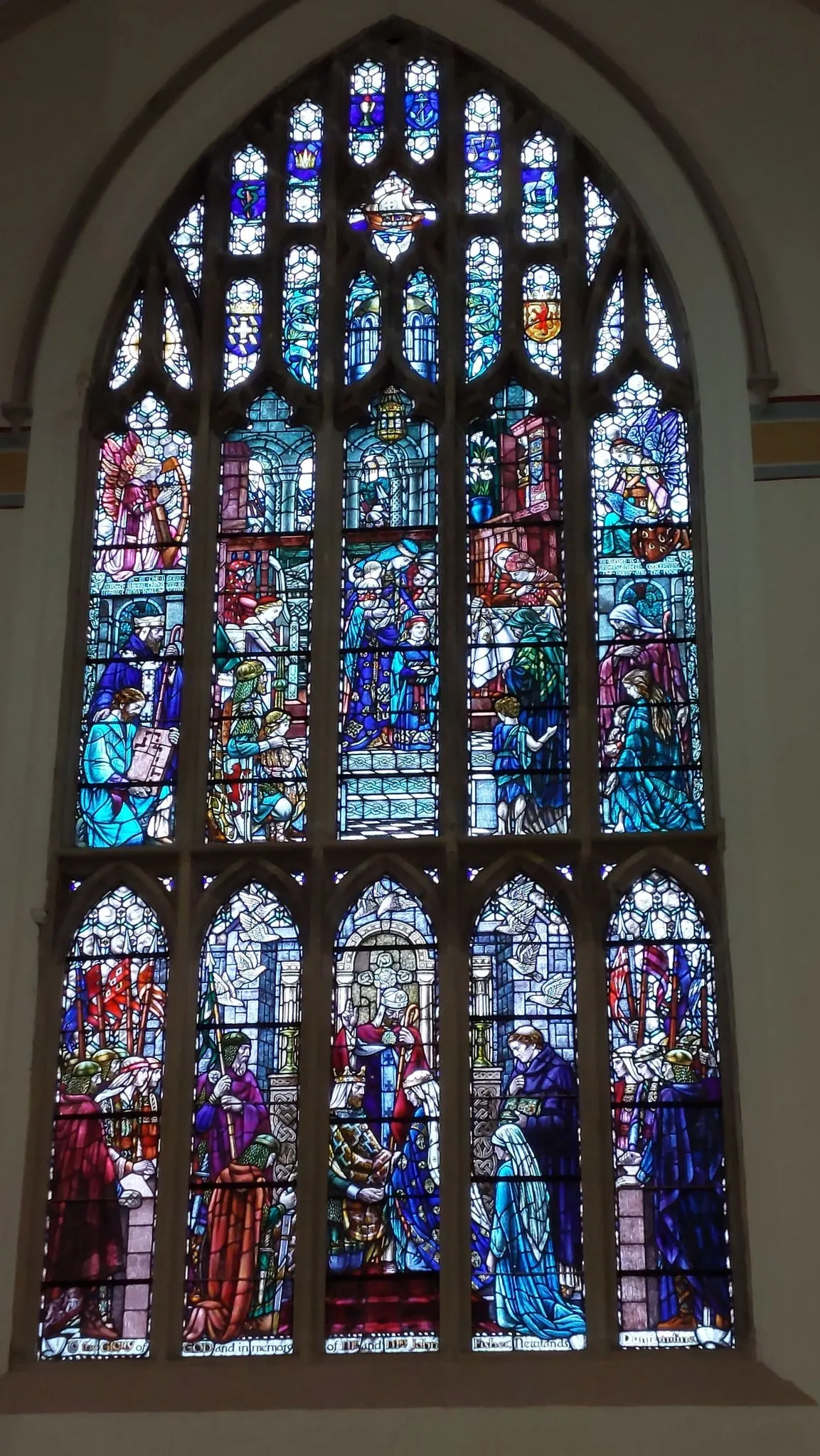
The Queen Margaret Window in the south transept of Dunfermline Abbey, designed by Douglas Strachan, shows St Margaret and King Malcolm Canmore.
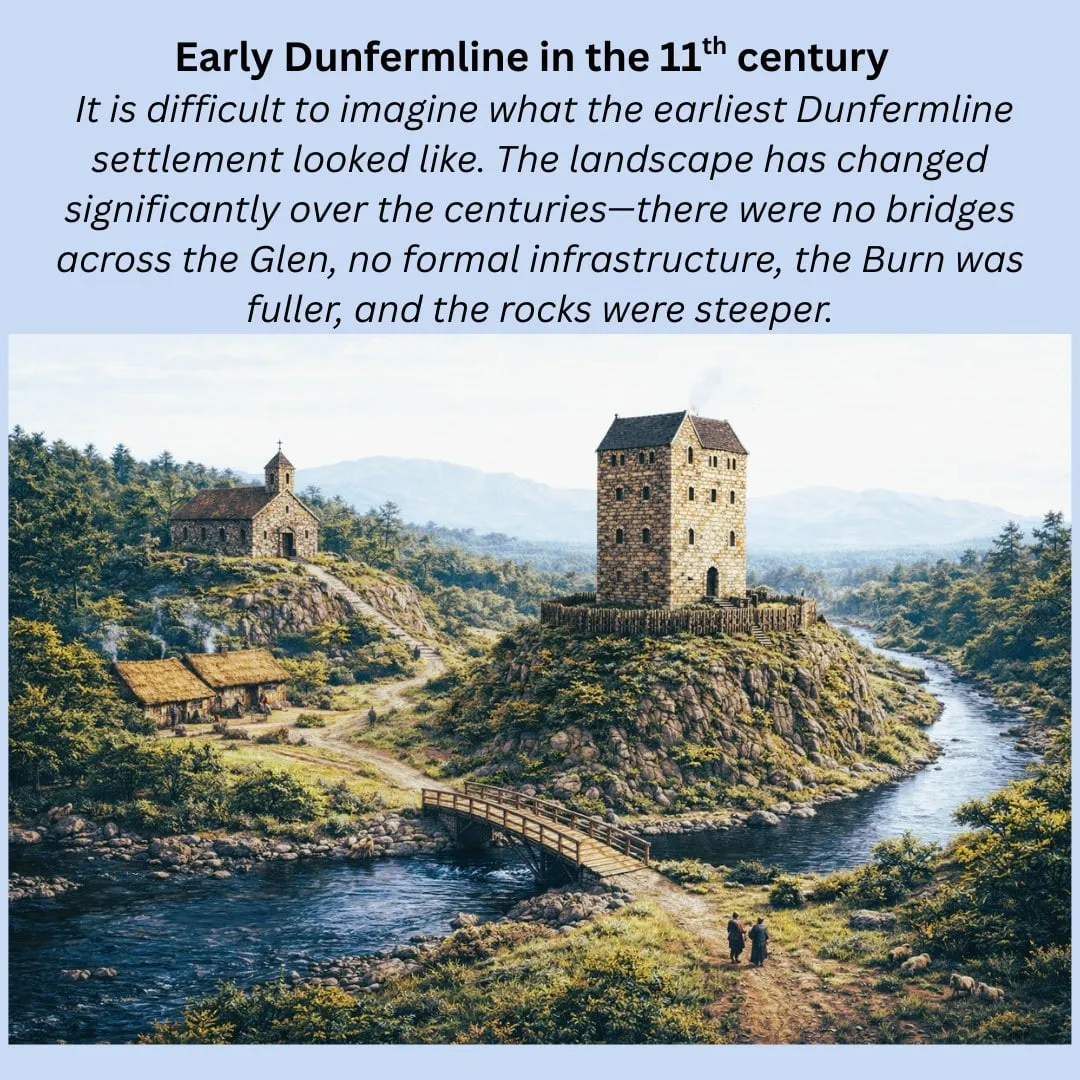
Dunfermline is called a former capital of Scotland and a royal burial place. But where did the kings and queens actually live?
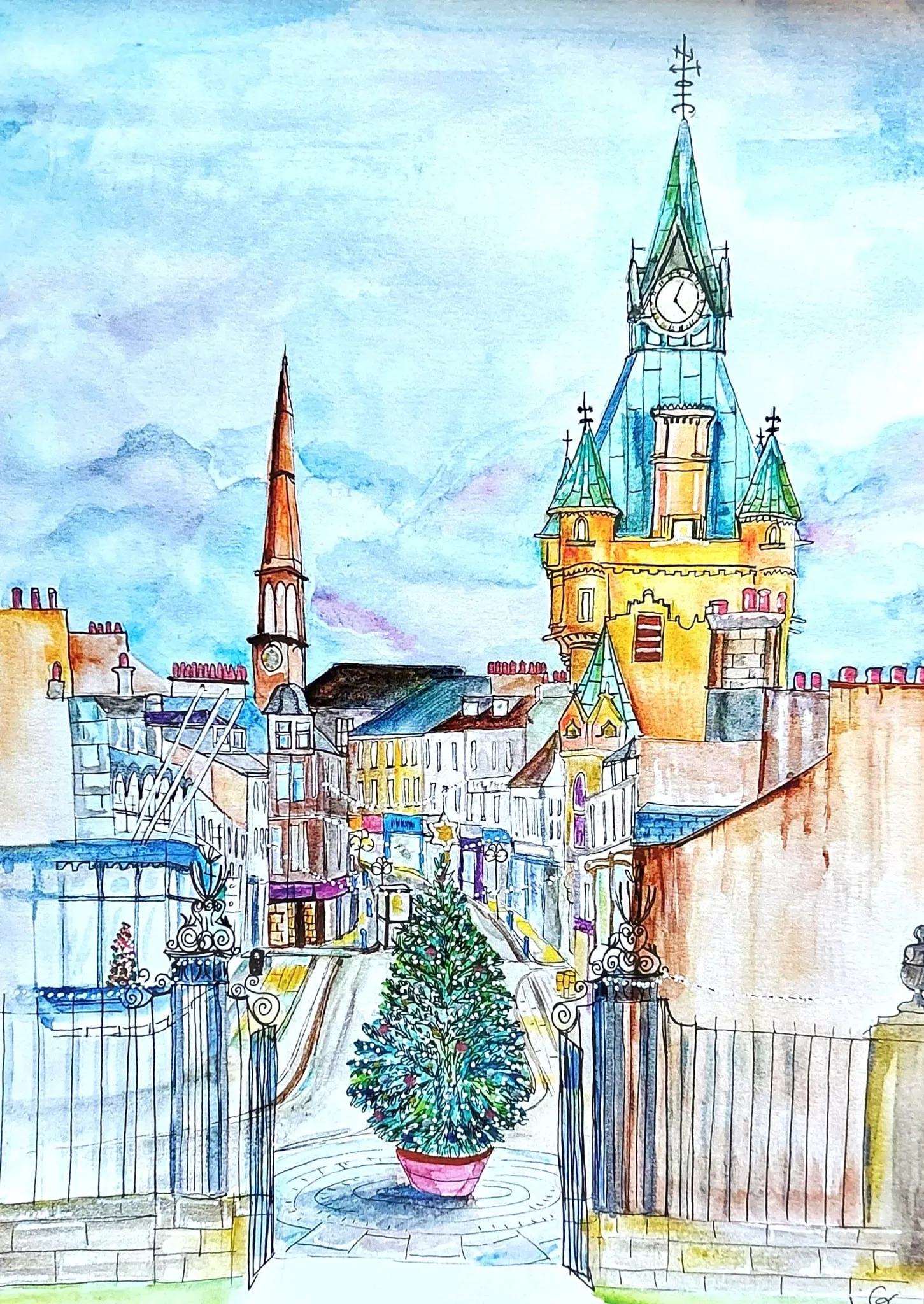
How Dunfermline marked Christmas, from midwinter Yule traditions to Victorian Christmas cards, as told in old newspapers.
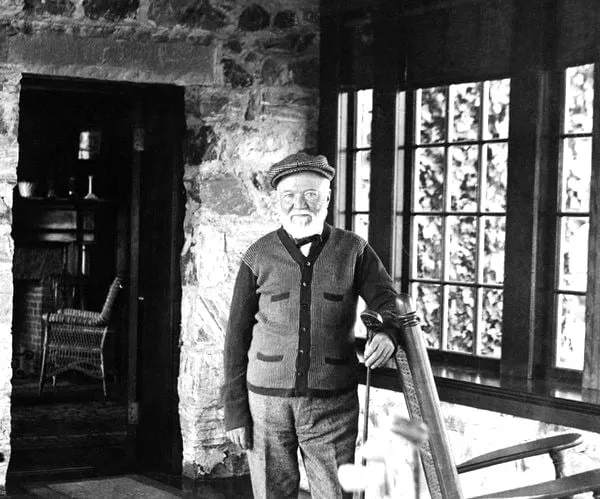
25 November 2025 marked 190 years since the birth of Andrew Carnegie, one of Dunfermline’s greatest sons and one of history’s most controversial philanthropists.
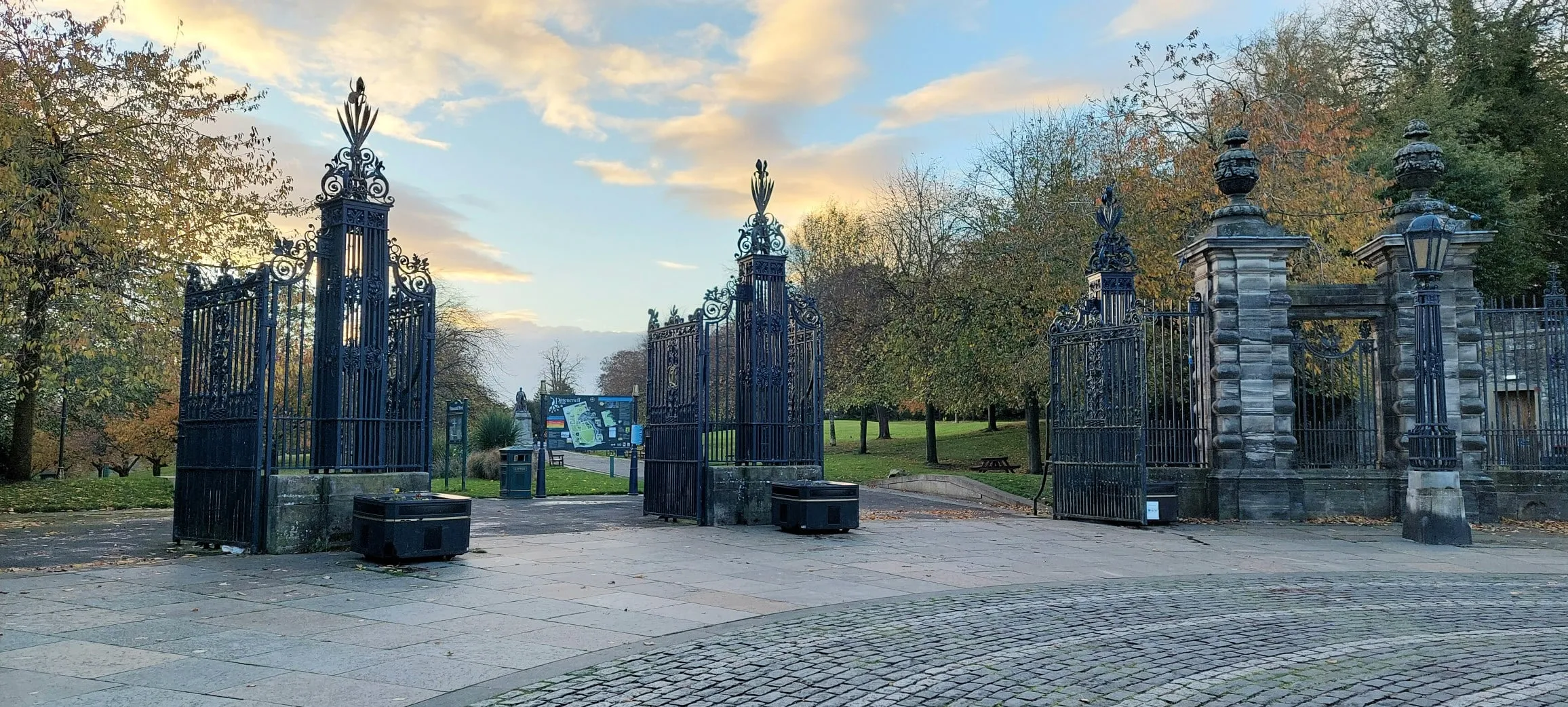
The top ornament is finally back on the central gate pier of the Louise Carnegie Memorial Gates at Pittencrieff Park.
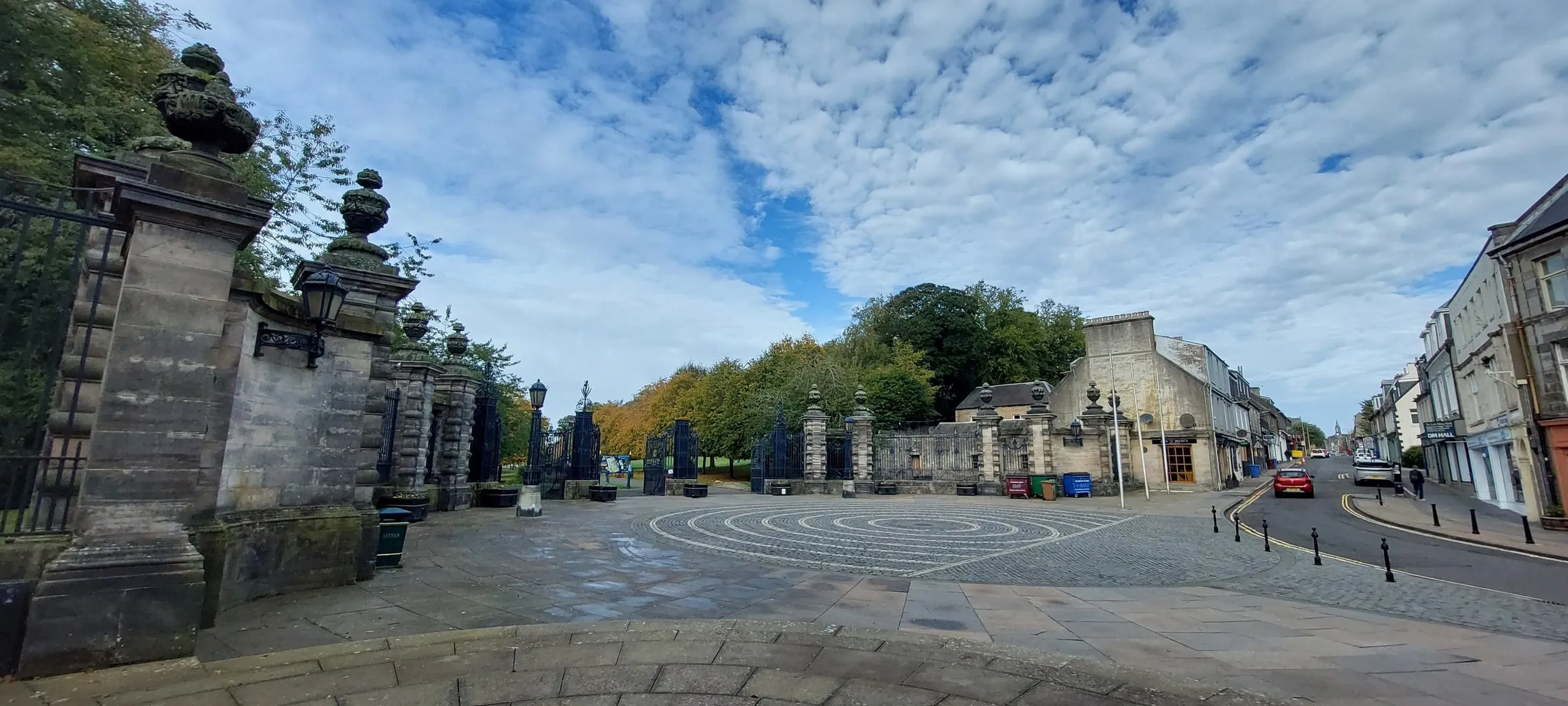
The Louise Carnegie Memorial Gates at Pittencrieff Park, designed by Jamieson and Arnott in 1927–29 with ironwork by Thomas Hadden of Edinburgh.
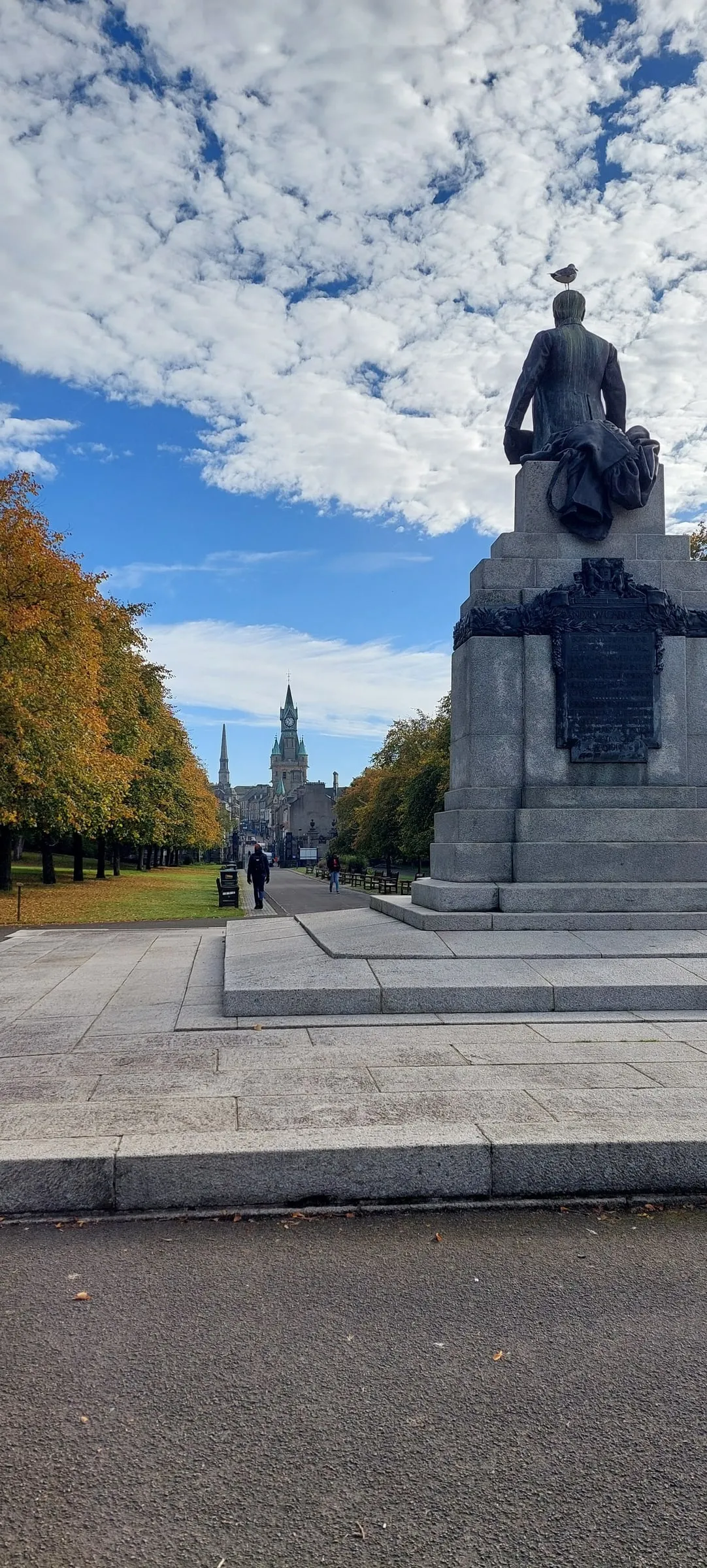
On 21 November 1903 Andrew Carnegie handed Pittencrieff Park and Glen to Dunfermline. The early days of the park, in old and new photographs.
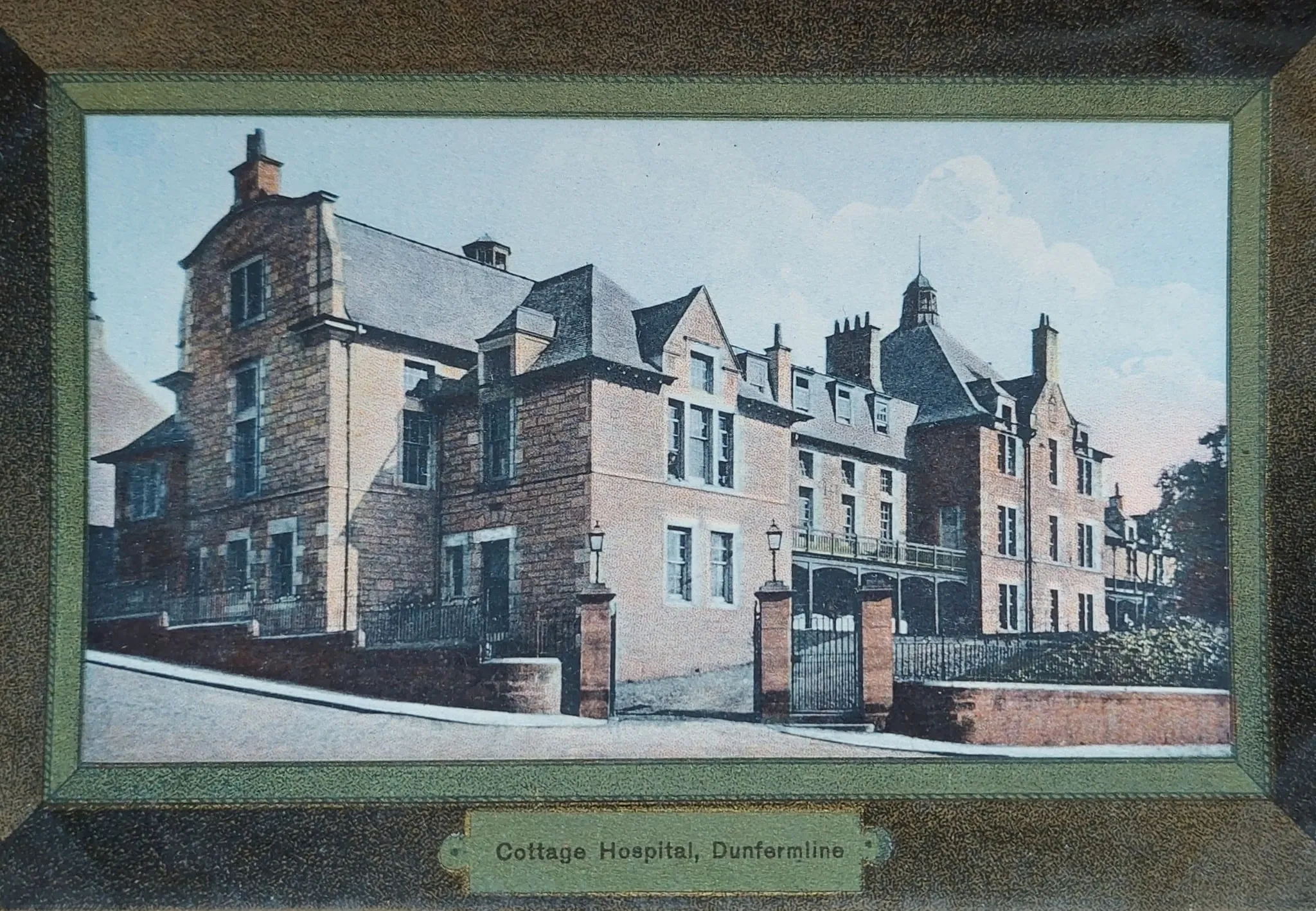
For a century Dunfermline Cottage Hospital stood on Nethertown Street, where New City House stands today. The story of a vanishing piece of the town’s history.
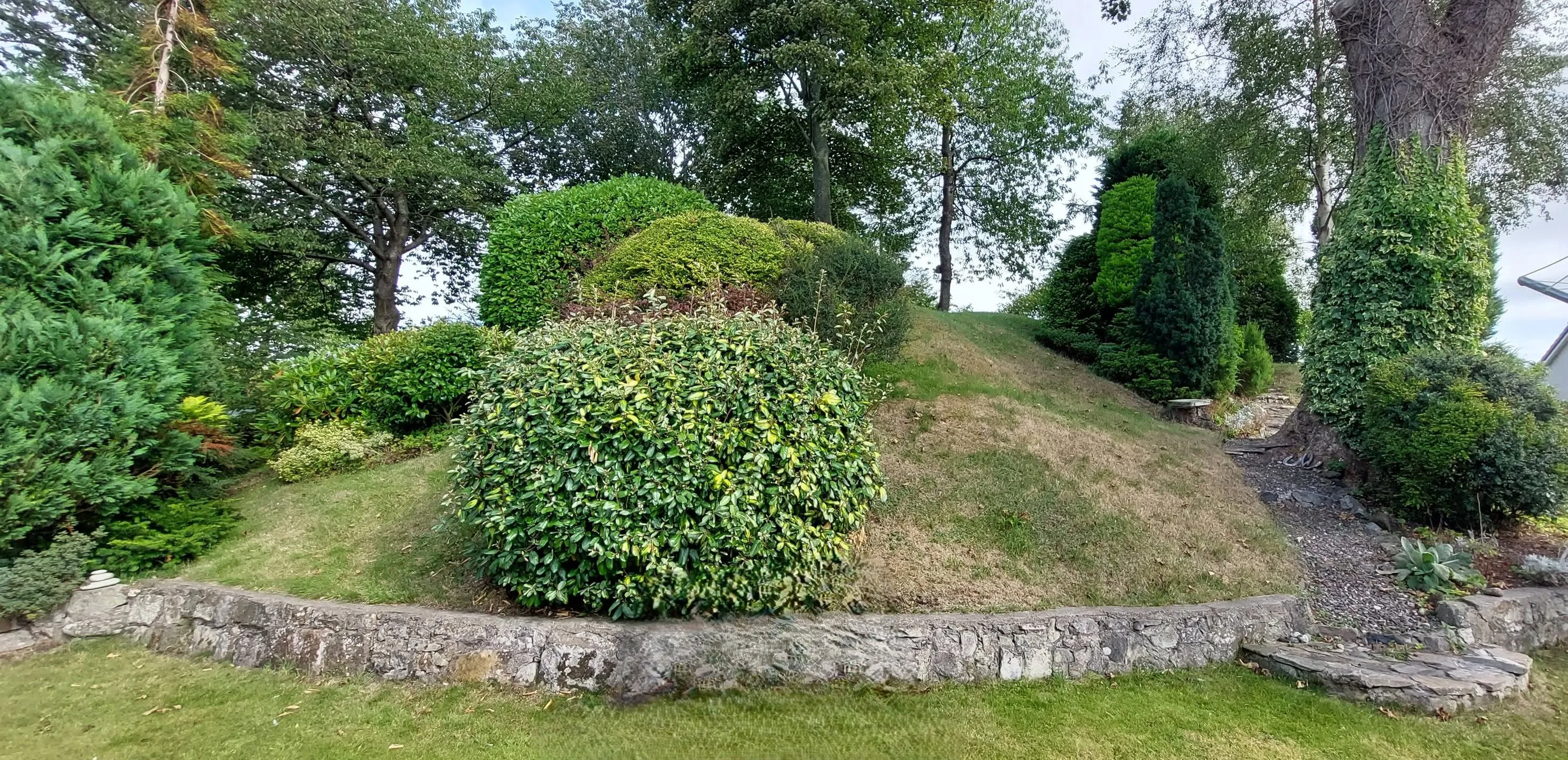
A small hill in the south of Dunfermline may be a motte, a burial mound or a place of worship, and could even be the "Dun" the town is named after.
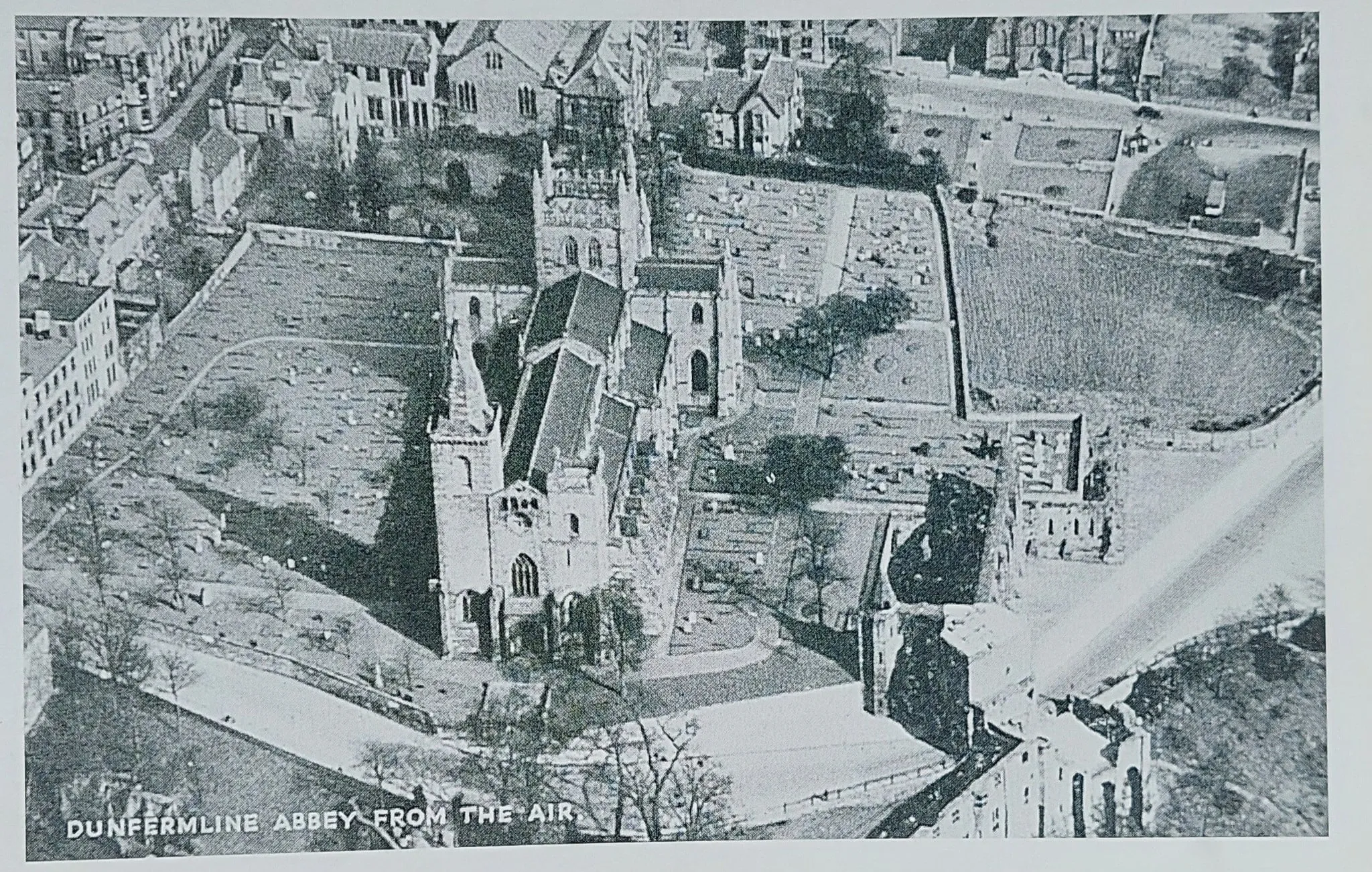
A 1950s aerial photograph of Dunfermline’s Heritage Quarter shows buildings long gone, including St Margaret’s Hall, which burned down in 1961.