Historic Dunfermline
Dunfermline: Where Did the Royals Actually Live?
Dunfermline is often described as a former capital of Scotland, the birthplace of kings, a royal burial place, and the home of one of Scotland’s oldest historic buildings — Dunfermline Abbey.
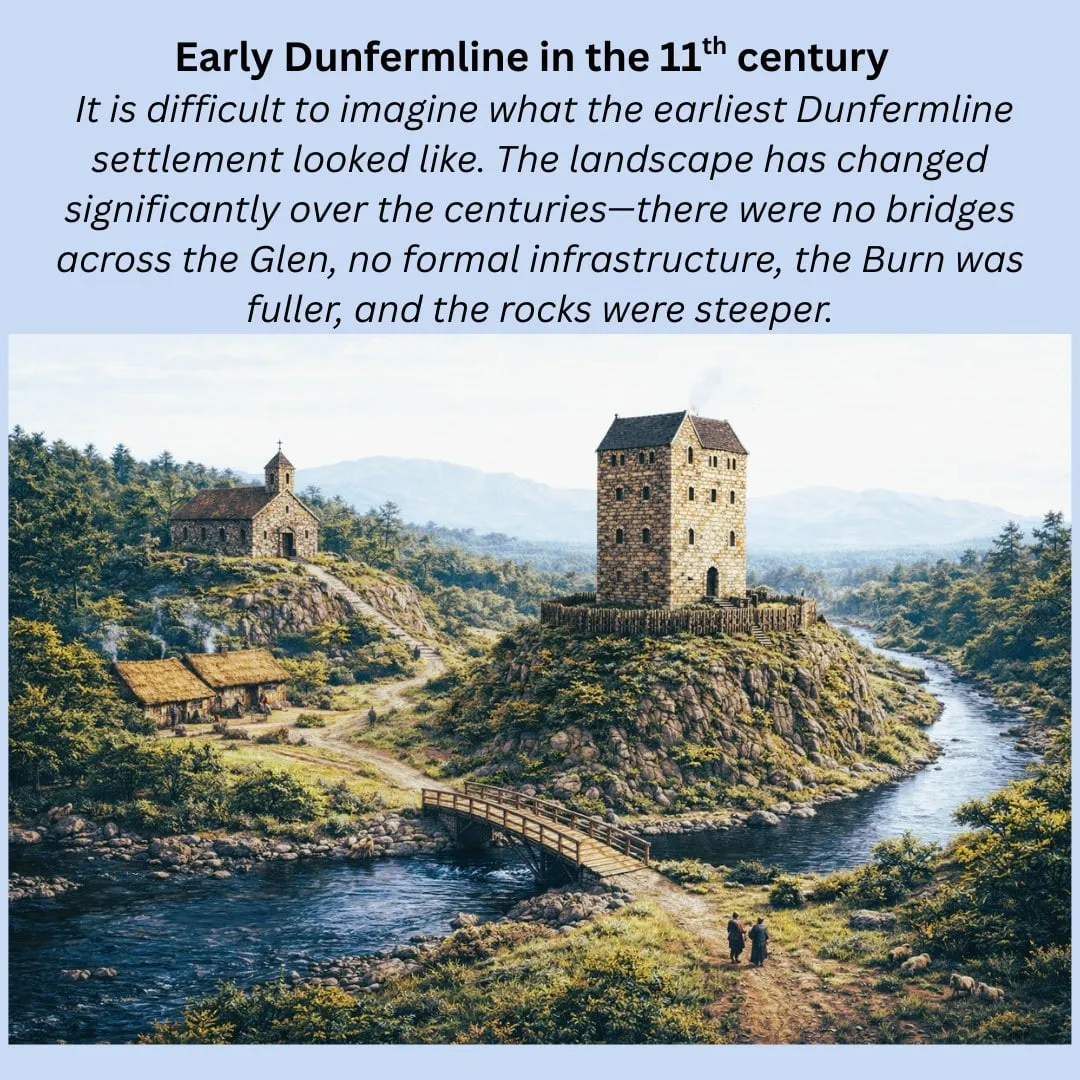
The masonry of the Abbey we see today dates mainly to the early 12th century, though tradition links the site to the time of Malcolm III and Queen Margaret in the 11th century, suggesting that a Culdee settlement may have existed there even earlier than that.
But here’s the real question: did the Scottish royals actually live in Dunfermline — or was it mainly a sacred and symbolic place to pay their homage and honour the tradition?
We know that several royal charters were issued at Dunfermline during the reign of David I and later kings. However, medieval kings did not rule from one fixed capital. They travelled constantly around the kingdom. So when a charter says it was issued “at Dunfermline,” it tells us the king was there at that moment — but not whether he considered it his permanent home. He may have been visiting, holding court for a short time, or staying nearby.
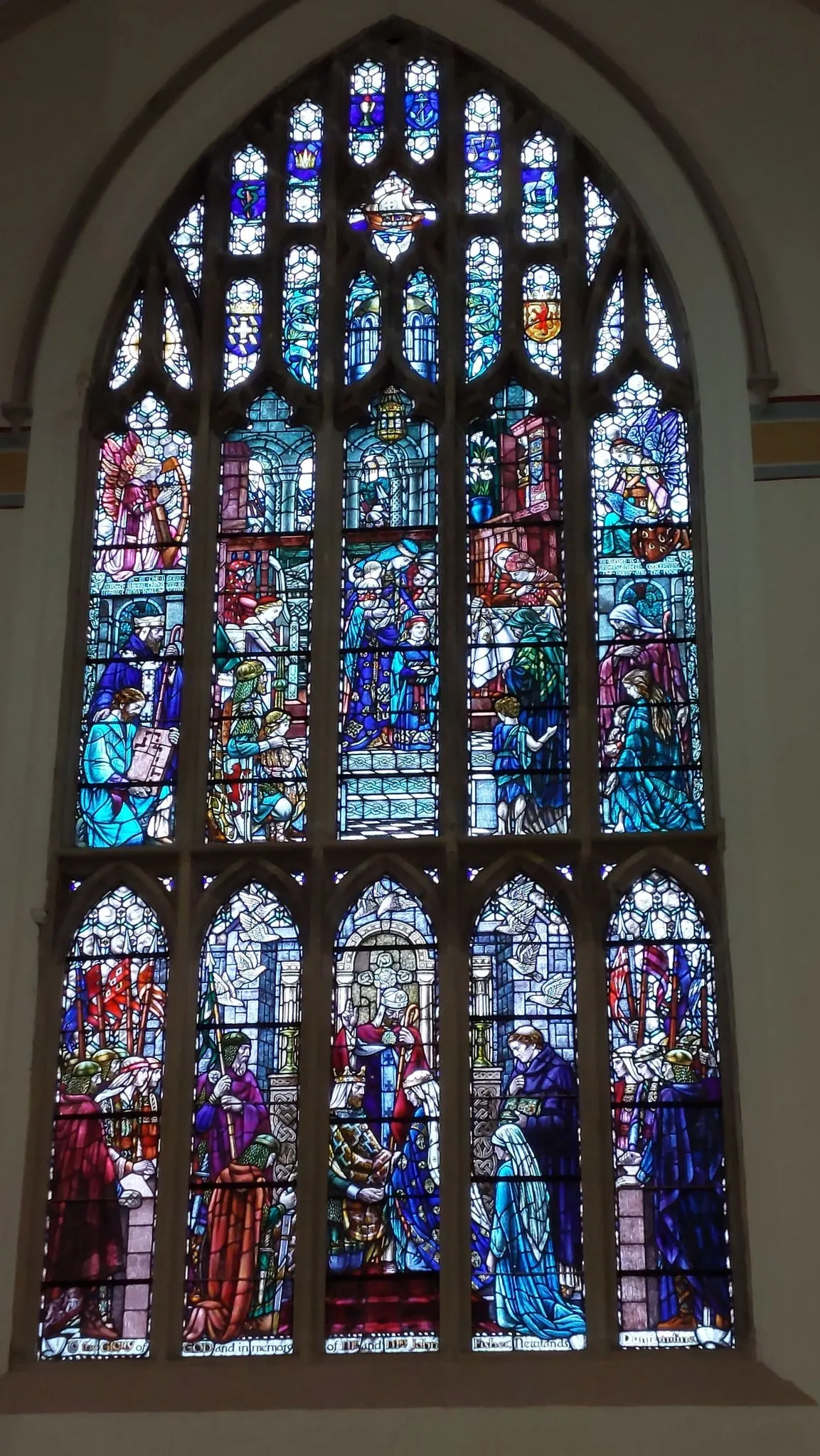
When Dunfermline became the burial place of Queen Margaret, King Malcolm, their children and later other kings, it grew over time into an important royal mausoleum. The cult of Saint Margaret made the town even more significant. But being buried in a place does not automatically mean living there long-term. It shows importance and attachment — but not necessarily everyday royal life.
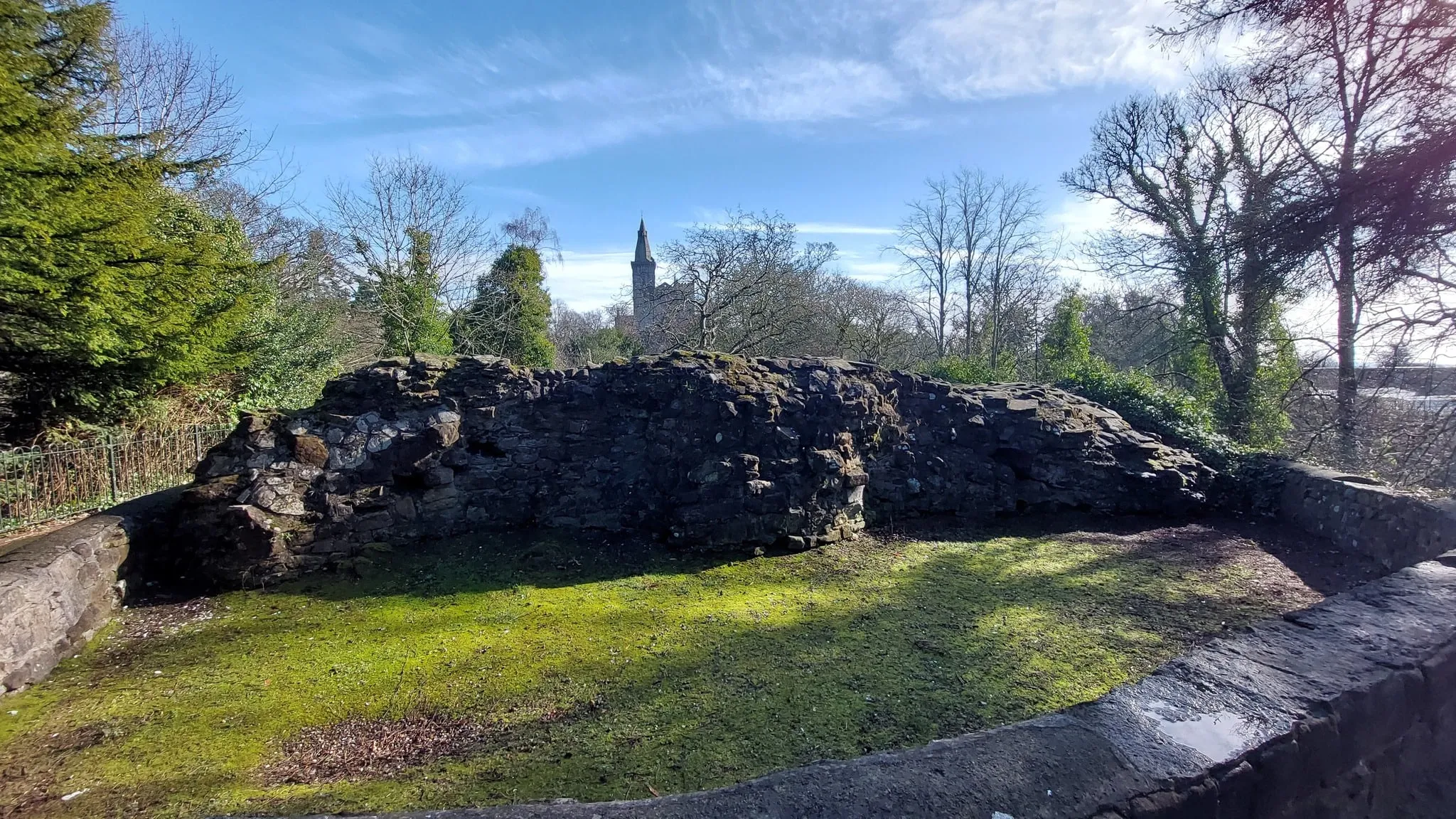
The palace ruins we see today mostly date from the 15th and 16th centuries, when Dunfermline clearly functioned as a royal residence. Yet that raises new questions. What came before the palace? Did King Malcolm’s Tower on the rocky hill serve as an early royal dwelling? If so, for how long? And when did the royals shift from the tower to the palace?
Archaeology does not give us clear answers for the 11th century. The surviving remains of the tower date no earlier than the 13th century. It is possible that earlier buildings were made of wood and have left little trace. Much of what we think we know comes from later sources.
In the weekly posts, we’ll explore the written records, surviving ruins, and artefacts of Dunfermline to better understand royal life here. By looking closely at both the physical evidence and historical sources, we’ll try to trace how Dunfermline developed as a royal centre — and ask whether Scotland’s kings ever truly considered it “home.”