Historic Dunfermline
Pittencrieff Park: the “Most Soul-Satisfying Gift”
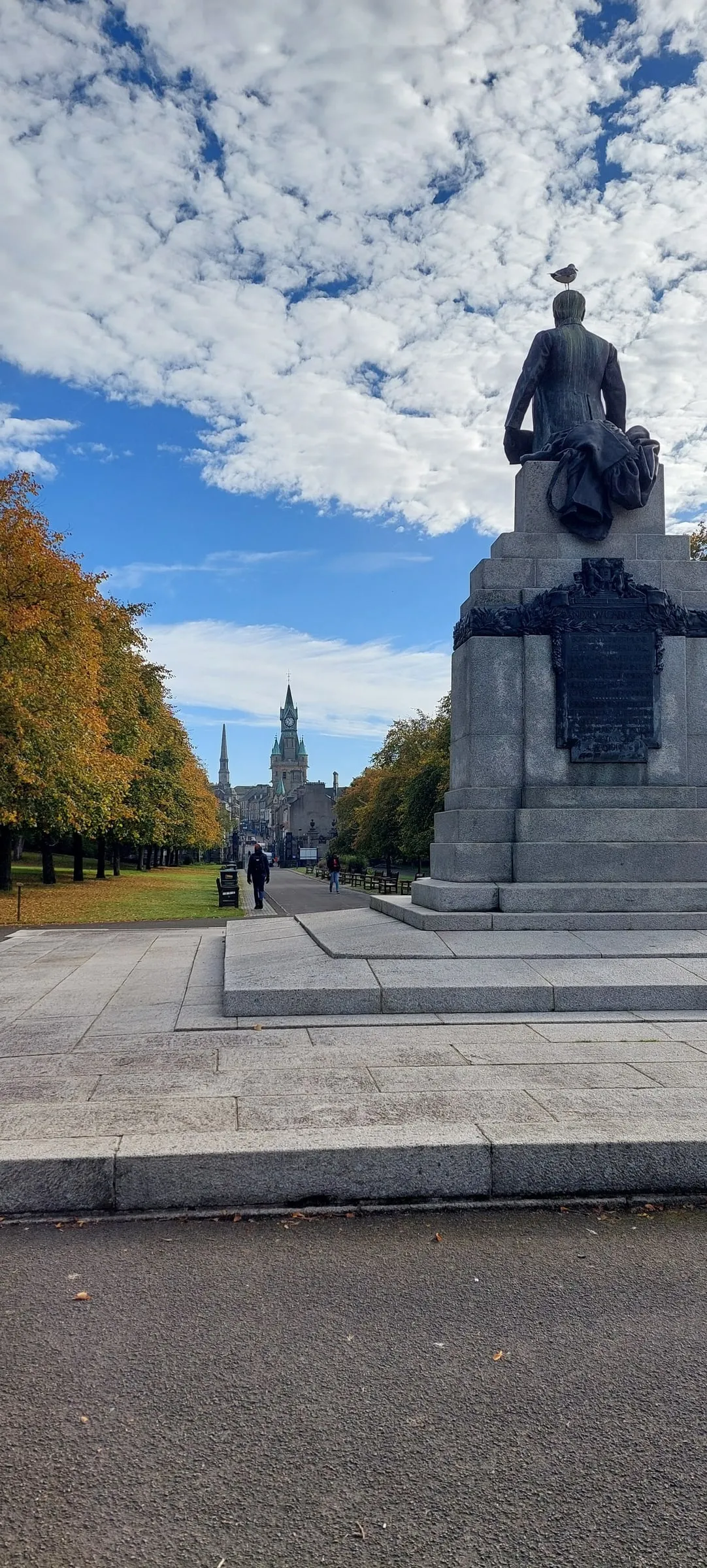
The “Most Soul-Satisfying Gift” - an Enormous Challenge. Pittencrieff Park, the Early Days.🦚
On a bright Saturday, 21st November 1903, Dunfermline witnessed a scene that seemed to belong more to the Middle Ages than the modern age of steel and steam. It was the day Andrew Carnegie formally handed over Pittencrieff Park and Glen—along with £500,000 in trust—to the people of his native town.
To mark the occasion, the town staged a ceremony of infeftment, an ancient legal ritual used in Scotland for centuries to transfer property.
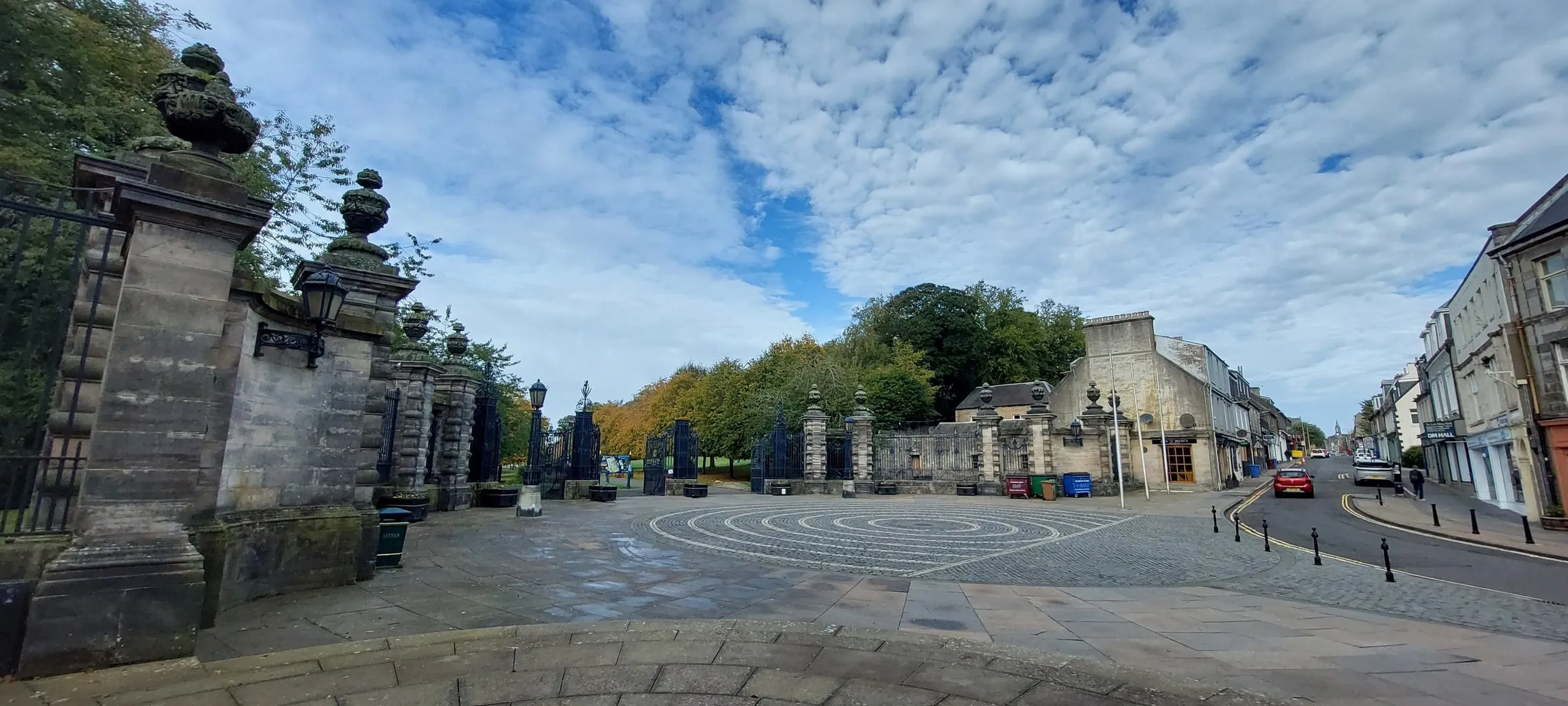
The ceremony began with a grand procession. From the Public Park, a long line of people made their way through the High Street and Bridge Street to the gates of Pittencrieff Lodge. There were representatives of the Trust, town officials, workers from linen mills and factories, tradesmen, postmen, clubs, and associations—joined together in a march of civic pride. Half a dozen pipe and brass bands provided the music, while flags and banners filled the streets. Many banners had been specially made for the day, some carrying portraits of Carnegie, others showing the American eagle in honour of his adopted country. The High Street was dressed for celebration, with streamers strung from house to house and buildings covered in colour.
In front of a crowd of some 15,000 to 20,000 people, Mr. John Ross, chairman of the Carnegie Dunfermline Trust, handed to Mr. Thomas Shaw—acting as Carnegie’s bailie—the deed of transfer. Then, in keeping with old tradition, Mr. Shaw passed to the Trustees the symbols of ownership: a handful of earth for the land, a stone for the houses, a handful of grass for the teinds, and the clap and hammer of a mill for the water rights. By these tokens, the Trustees pledged themselves to administer the Park and all that came with it faithfully and for the benefit of the people.
But this was more than pageantry. The infeftment ceremony represented the start of an extraordinary civic experiment. Carnegie’s Trust was not just about providing mere amusements; its aims were far higher: to refine and uplift the lives of the masses, to spread knowledge, culture, and opportunity, and to improve “the man himself in his equipment and ideals.”
The Trustees accepted not just land and money, but also a heavy responsibility. Carnegie’s conditions were deliberately broad, showing his faith in his townsfolk to govern themselves wisely. Yet the challenges were real: the problems of society were many, critics would be quick to judge, and progress would not come quickly. They were not simply caretakers of a park, but stewards of an idea—that beauty, knowledge, and joy could enrich the common life of a town. Their success would not be measured in quick results, but in the gradual growth of culture and happiness among generations yet to come.
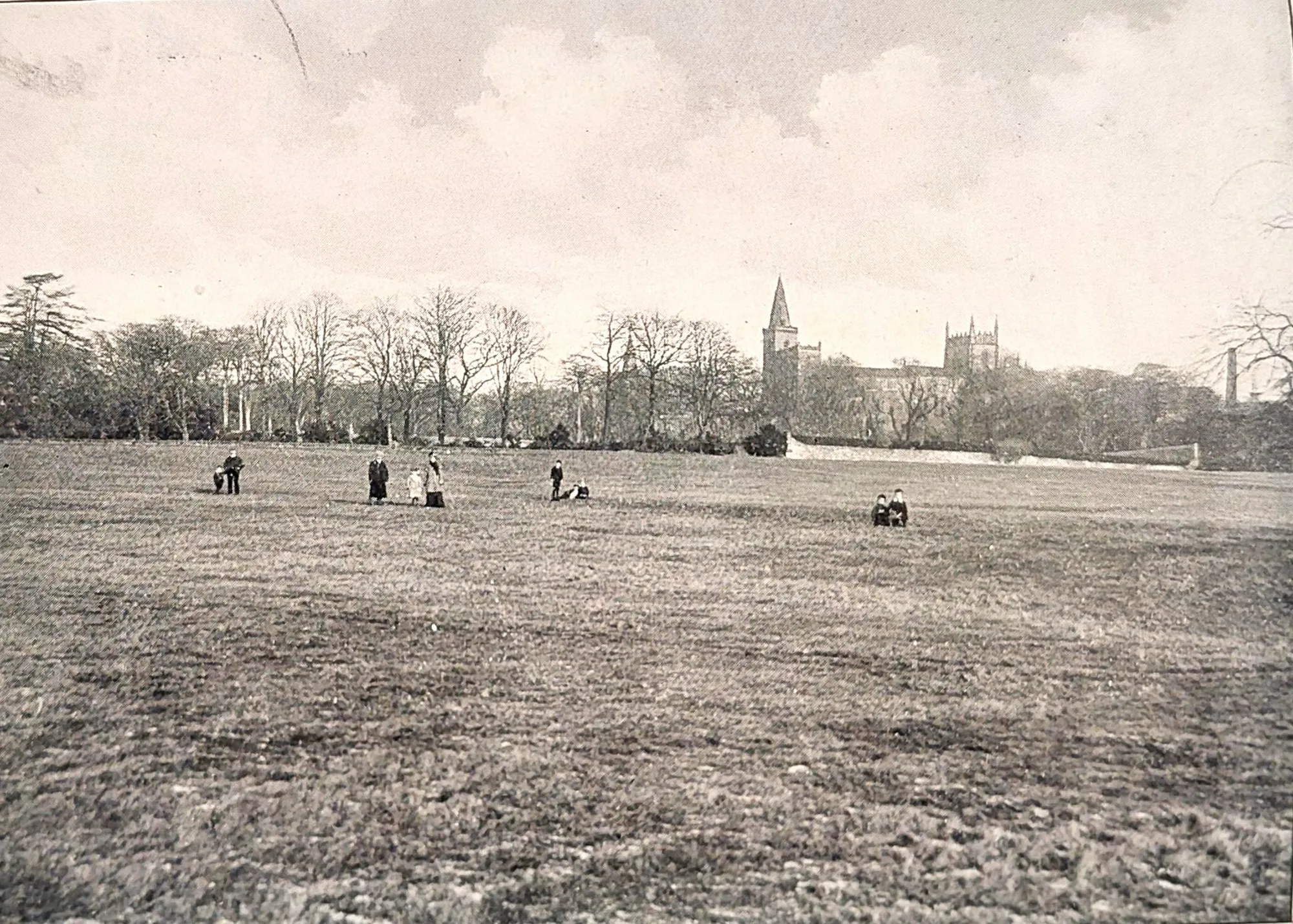
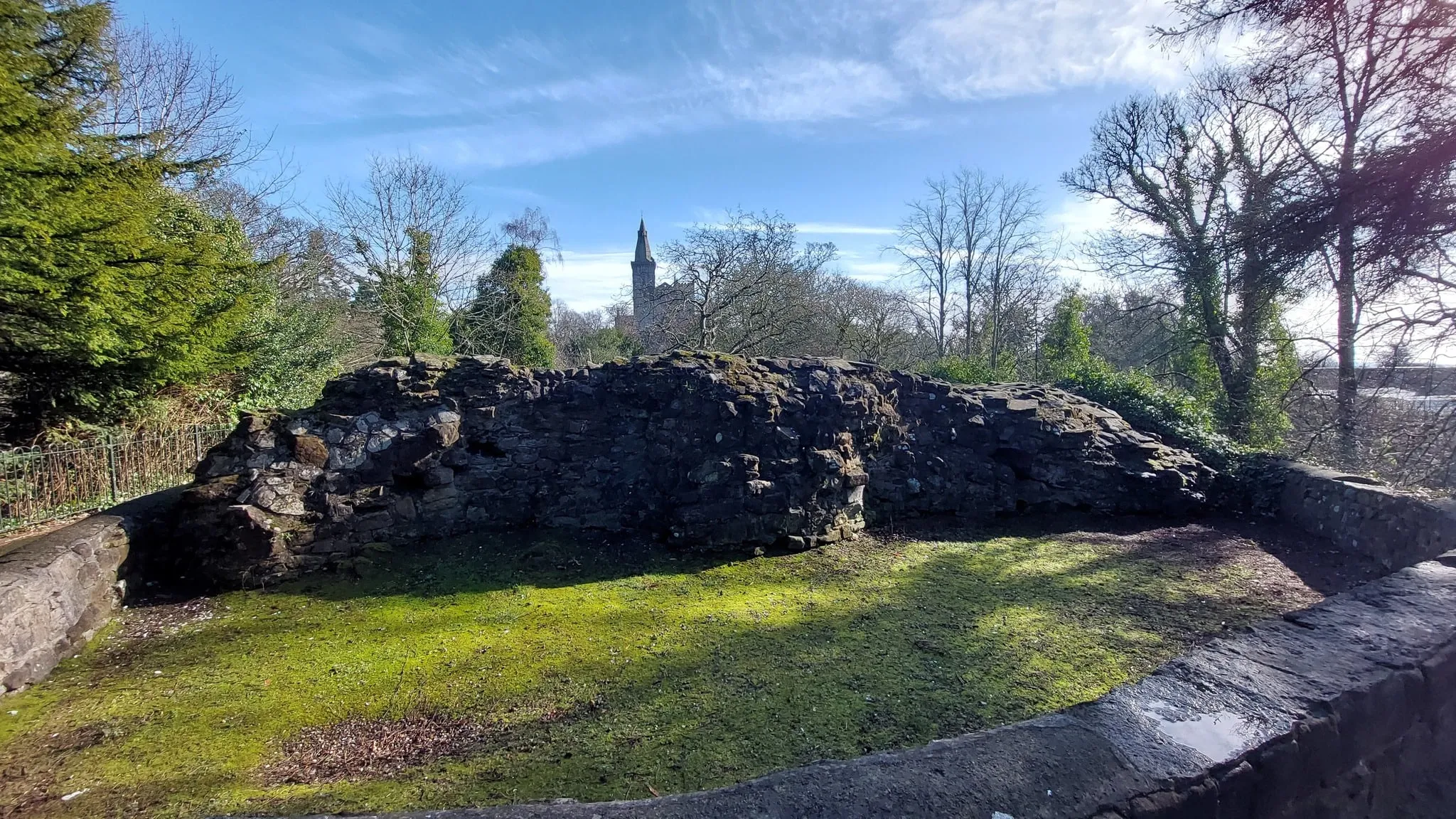
From the beginning, the Glen and Park transformed the life of the town. Once almost hidden from ordinary folk, the Glen now opened its beauty and history to all. The Palace ruins and Tower Hill became living reminders of Scotland’s royal past. At the same time, the paths were now provided so that visitors could reach every part of the grounds, while carefully preserving the Park’s charm as a sudden green escape from the bustling High Street.
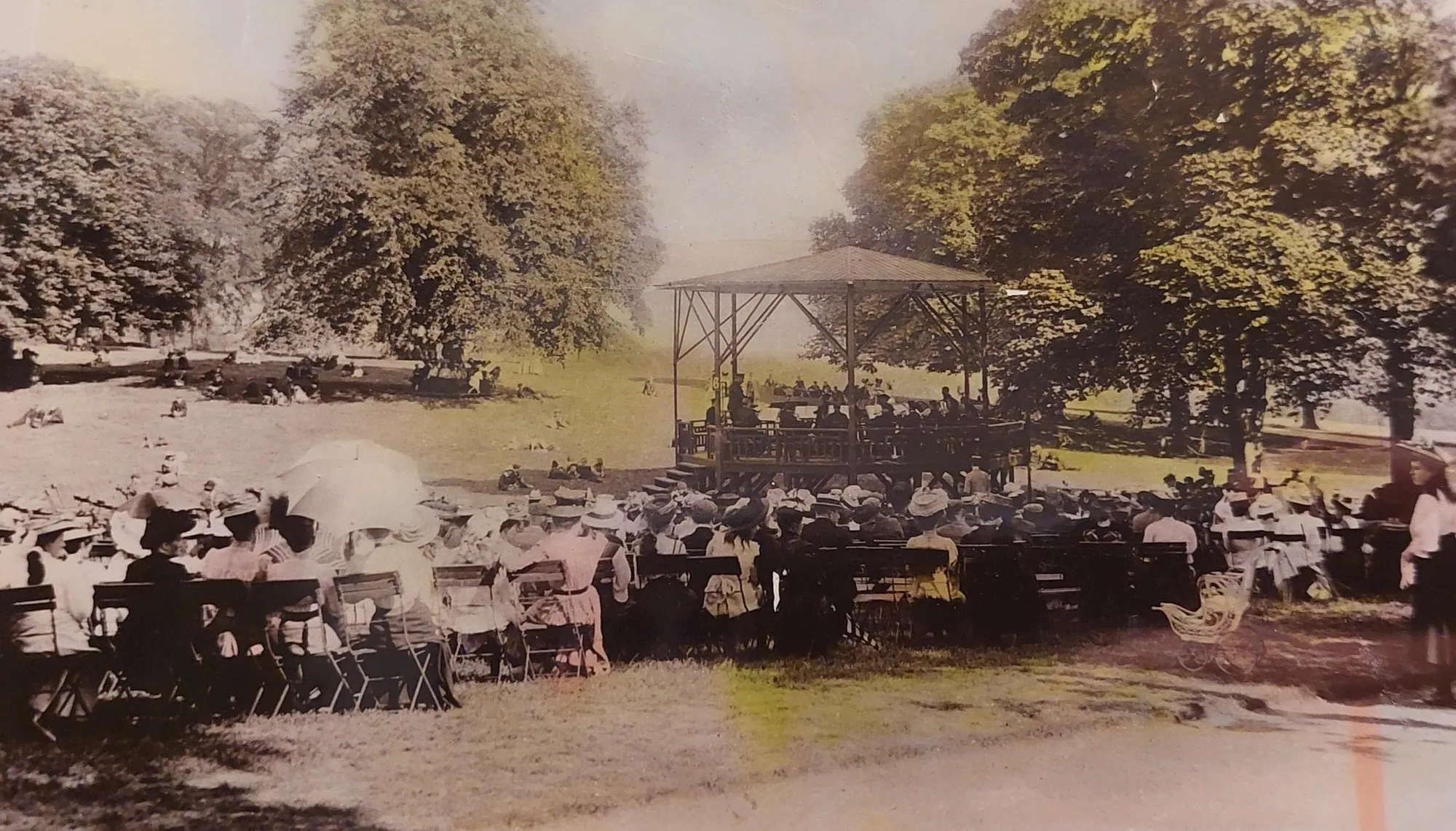
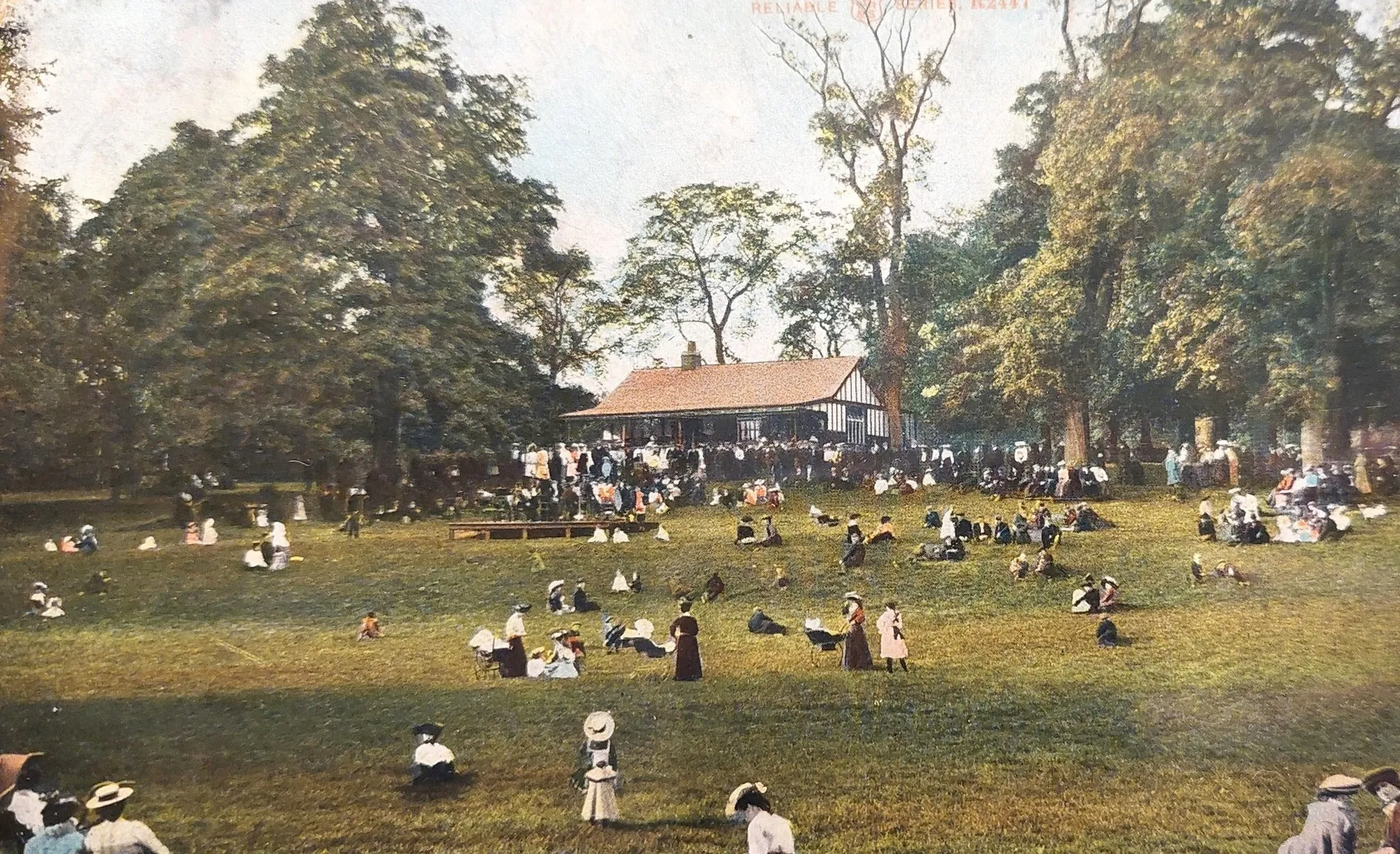
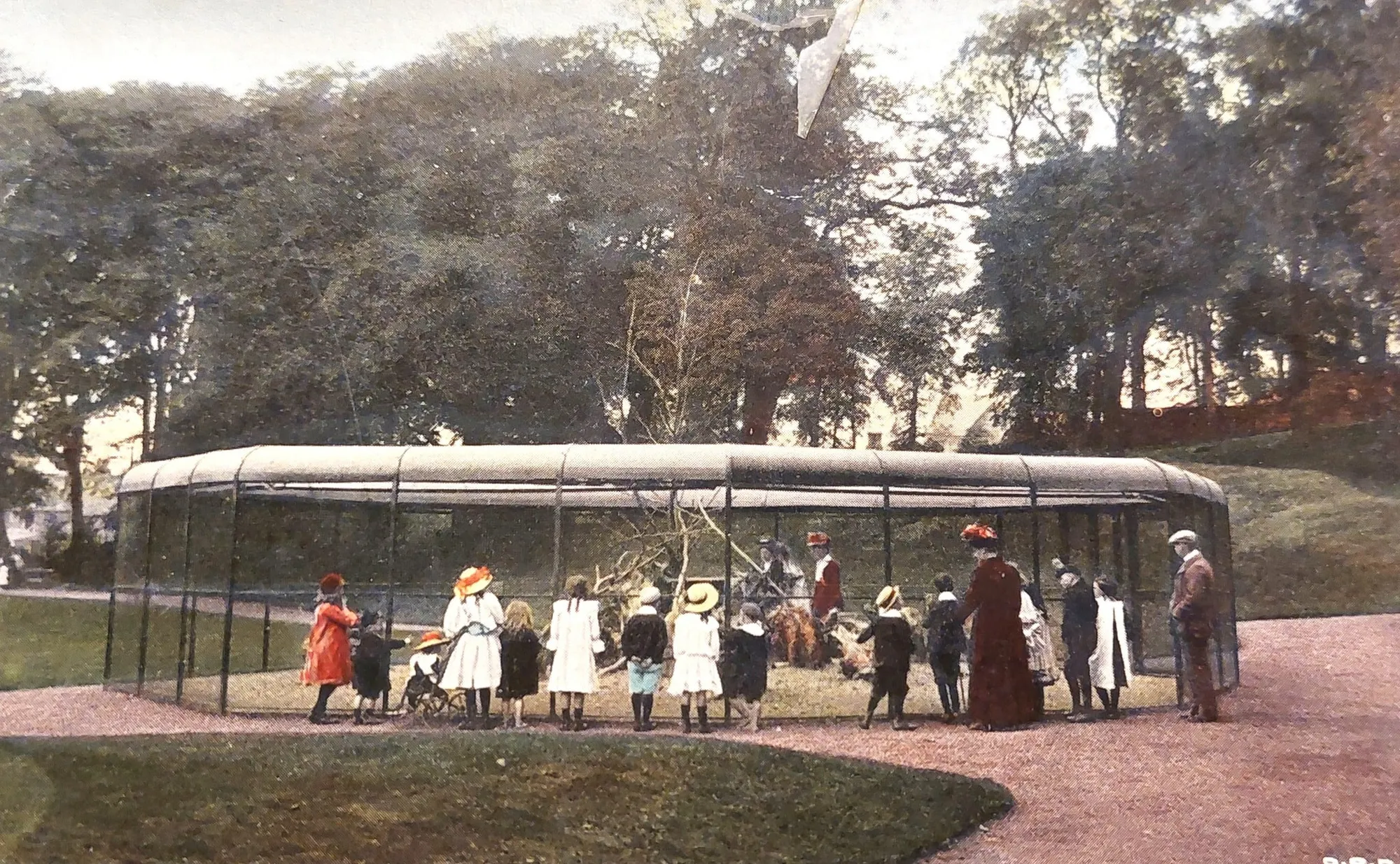
Swings were set up for children, deliberately placed so as not to spoil the views. They proved instantly popular, filling the air with laughter. The mansion-house was fitted with a warm room for older men to gather and talk through the winter months. On summer evenings and holidays, the Park’s walks were mobbed, and the tea-house often struggled to meet the demand from factory workers and shop assistants seeking refreshment. Gala Days brought thousands of schoolchildren, their games and singing turning the Park into a scene of joyful animation.
Almost overnight, Pittencrieff Park (The Glen) became part of daily life in Dunfermline. Children found space to play, working men and women found rest, the sickly gained fresh strength, and all classes came together in shared enjoyment. In its earliest years, Pittencrieff Park proved itself far more than a mere green space. It became the soul of the town: a place of rest, play, memory, and pride, a generous gift for the generations to come.
(Sources: CDT Minutes 1903-1904, articles from BNA)
Photographs