 Historic Dunfermline
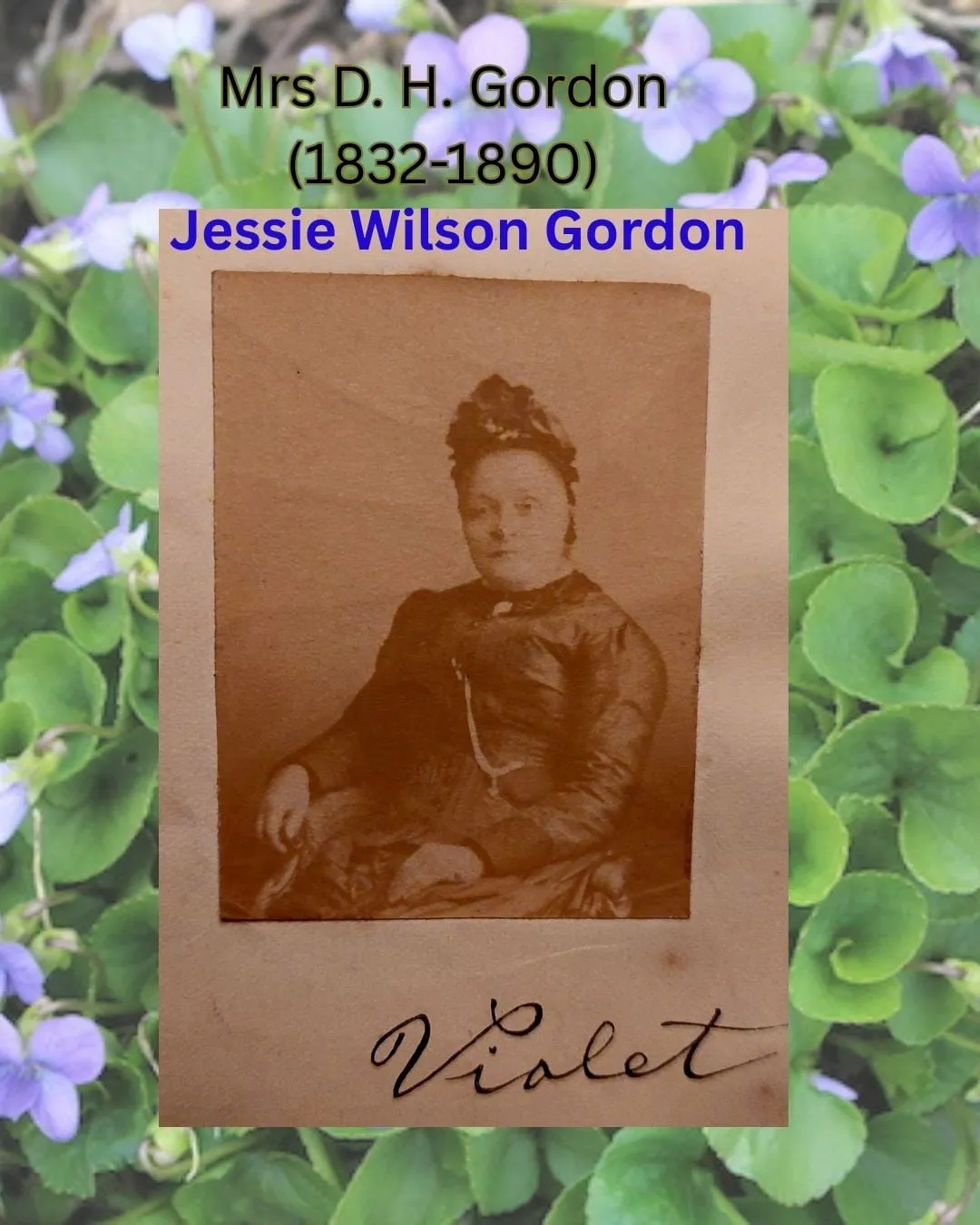
Violet: the Forgotten Poetess of Dunfermline
A small book of poems signed Violet led to Jessie Gordon (1832–1890), a Dunfermline poetess whose life was full of hardship.
23 stories with this tag.
A small book of poems signed Violet led to Jessie Gordon (1832–1890), a Dunfermline poetess whose life was full of hardship.
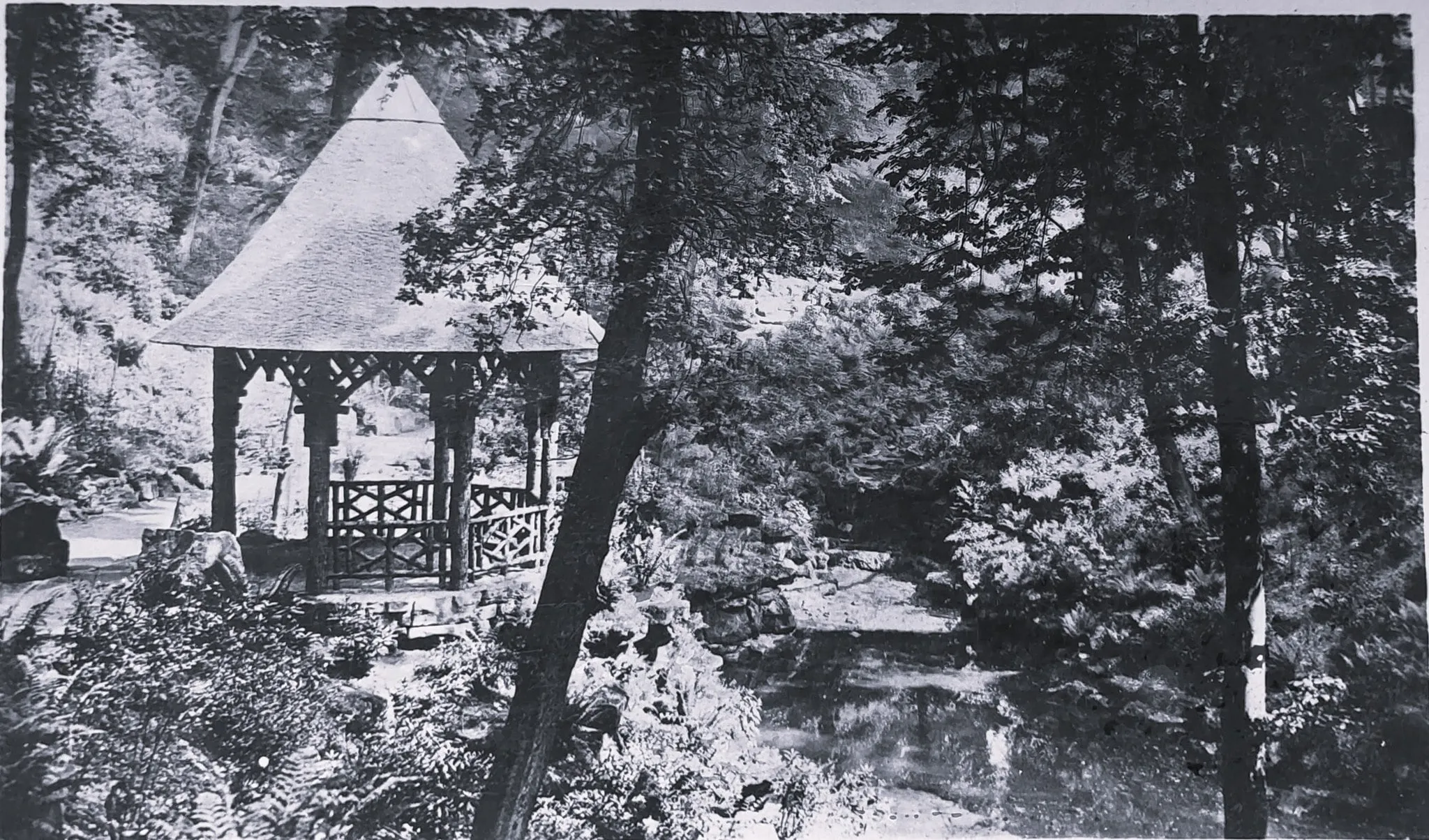
More old postcards beside the same views in 2025: the Witch’s Hat in the Glen, Chalmers Street, Pittencrieff House, the bandstand and the High Street.
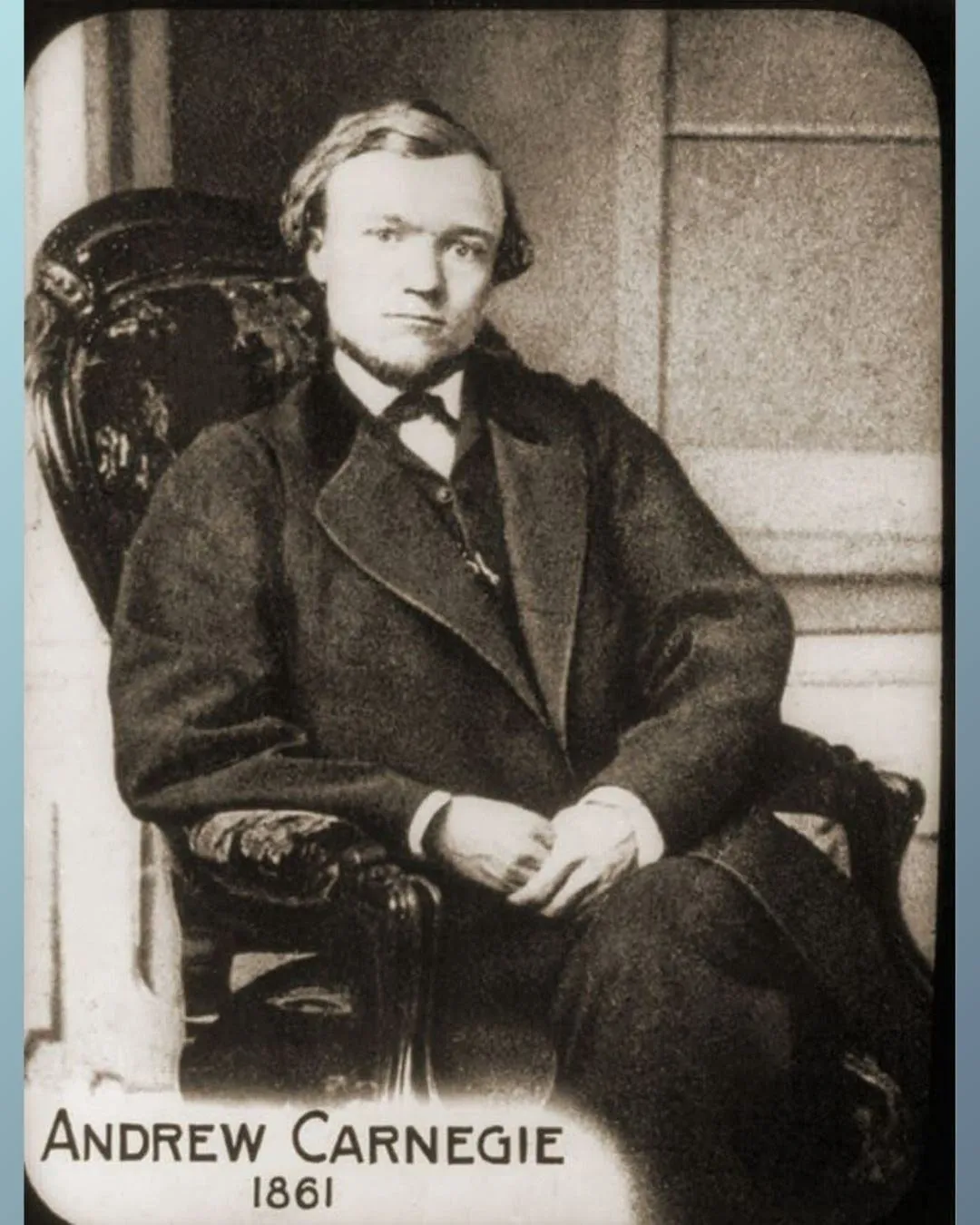
On 11 August 1919 Andrew Carnegie died at his estate in Lenox, Massachusetts, aged 83, far from the Dunfermline where he was born.
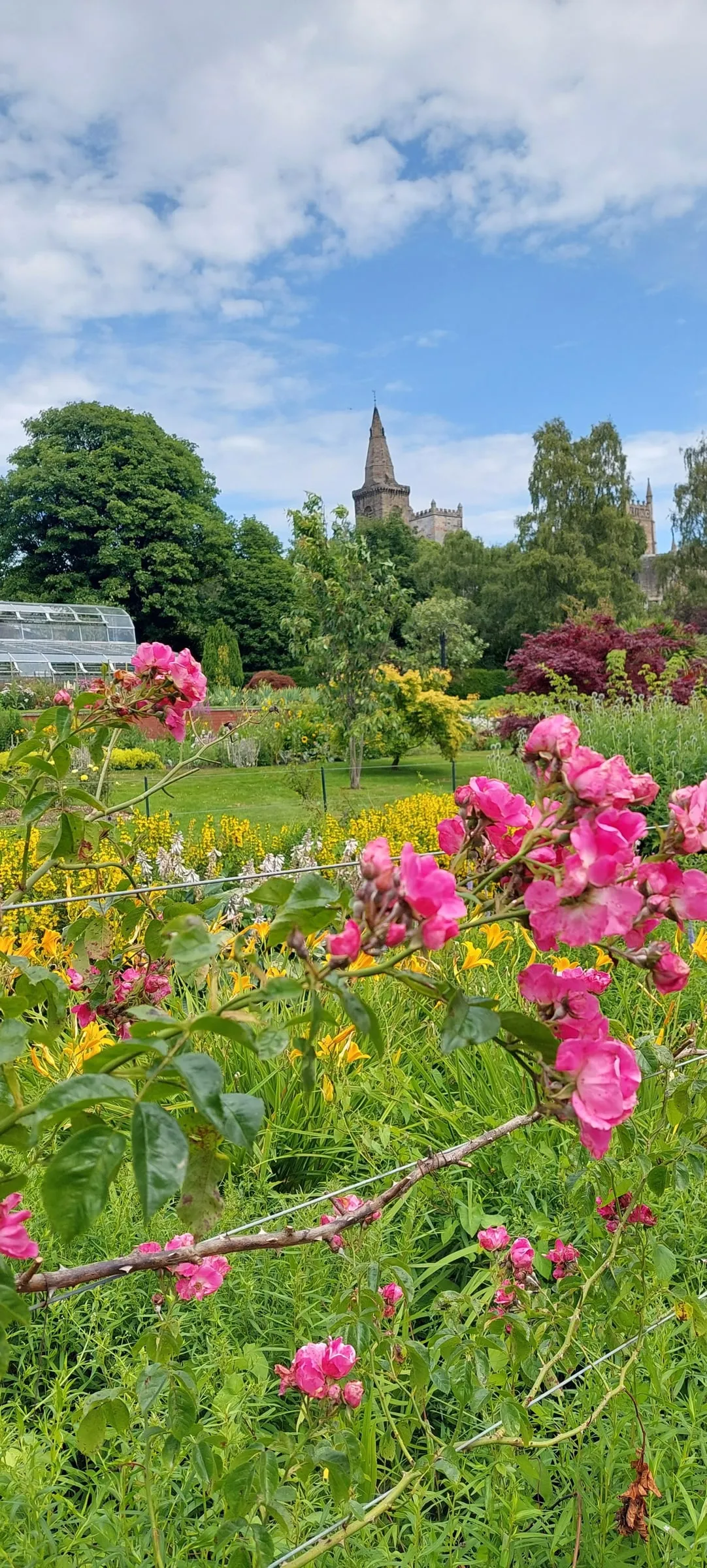
Summer days in Pittencrieff Park: flower borders, the glasshouses and their koi pond, Pittencrieff House and the peacocks.
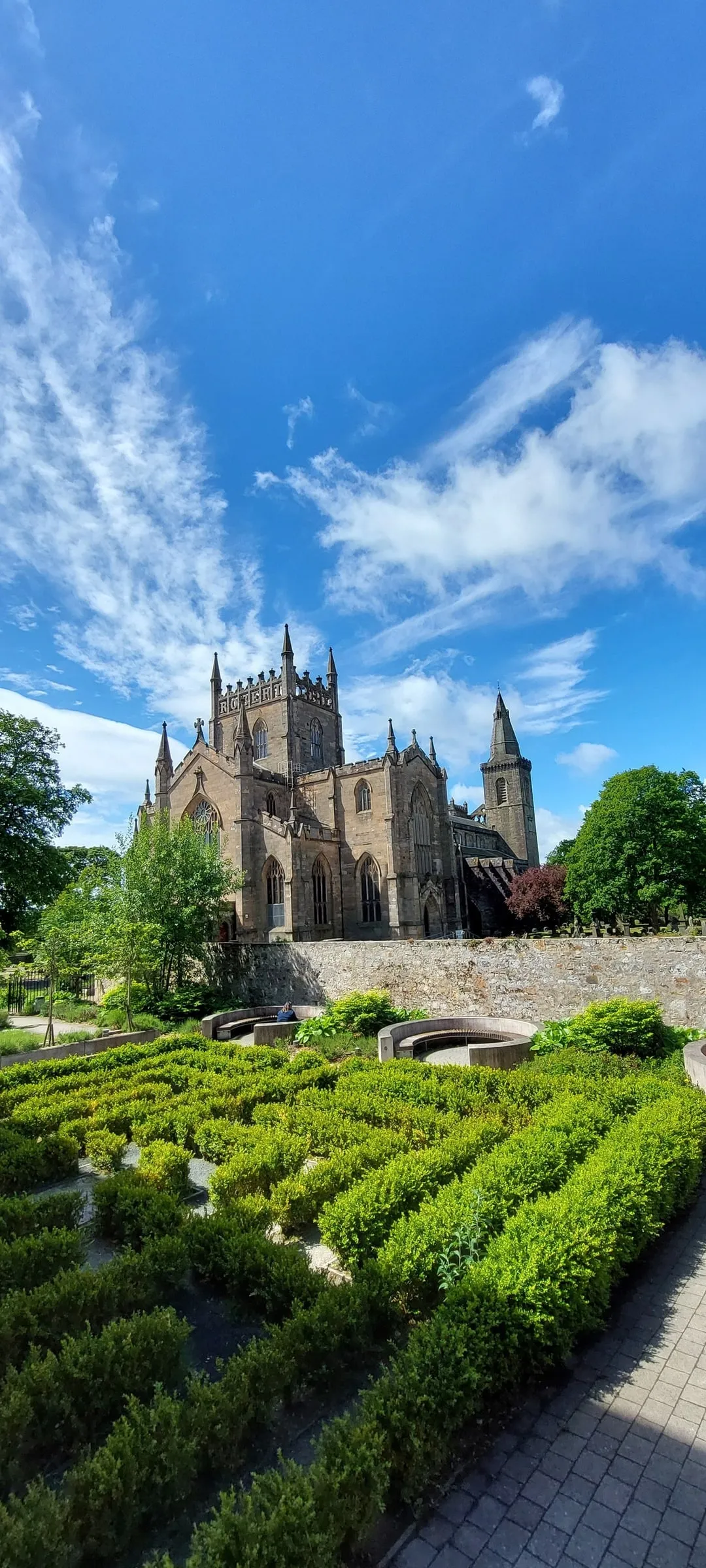
Dunfermline Abbey under a dramatic sky, seen above the knot garden.
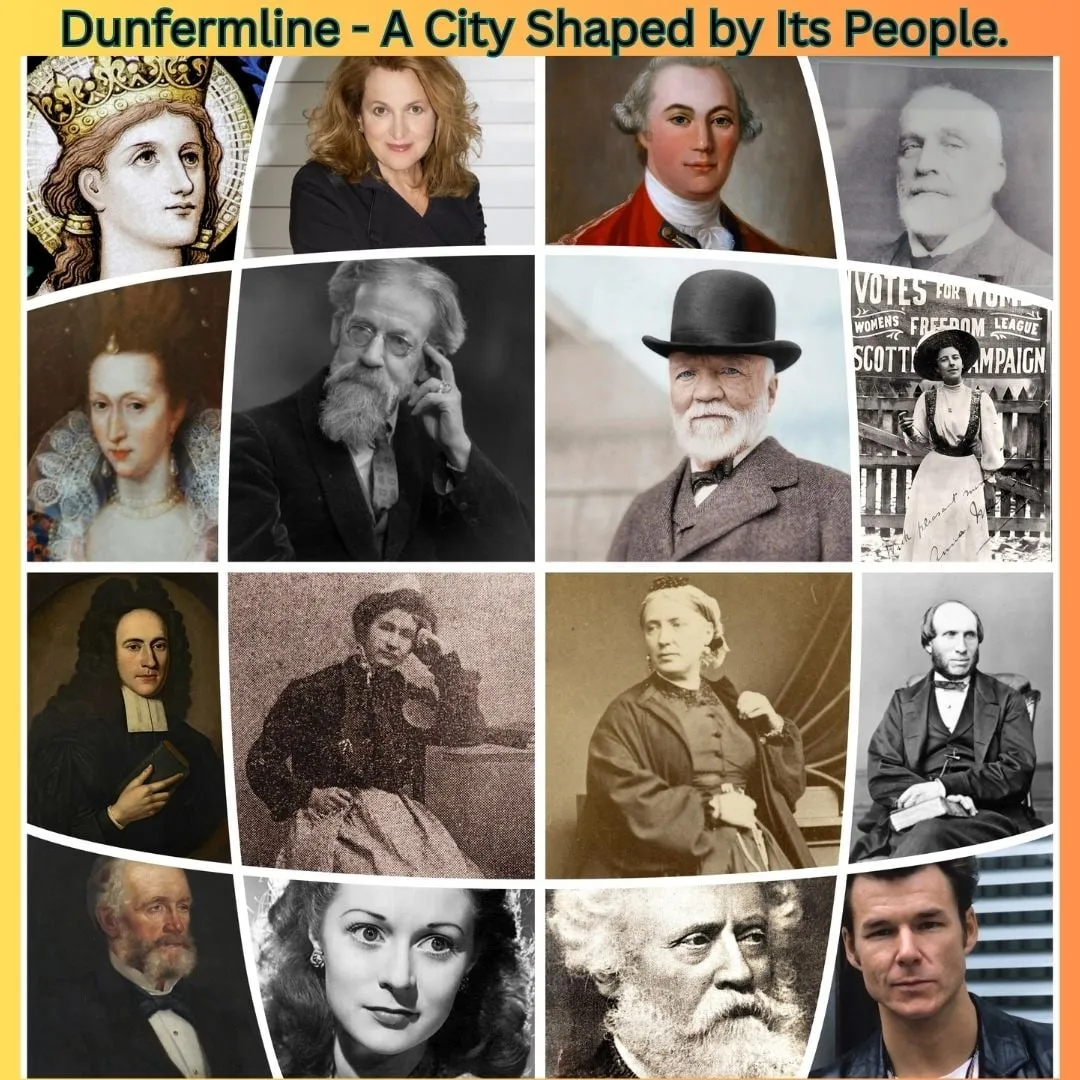
Industrial pioneers, social reformers, artists, architects and royalty: the people whose stories shaped Dunfermline and the nation.
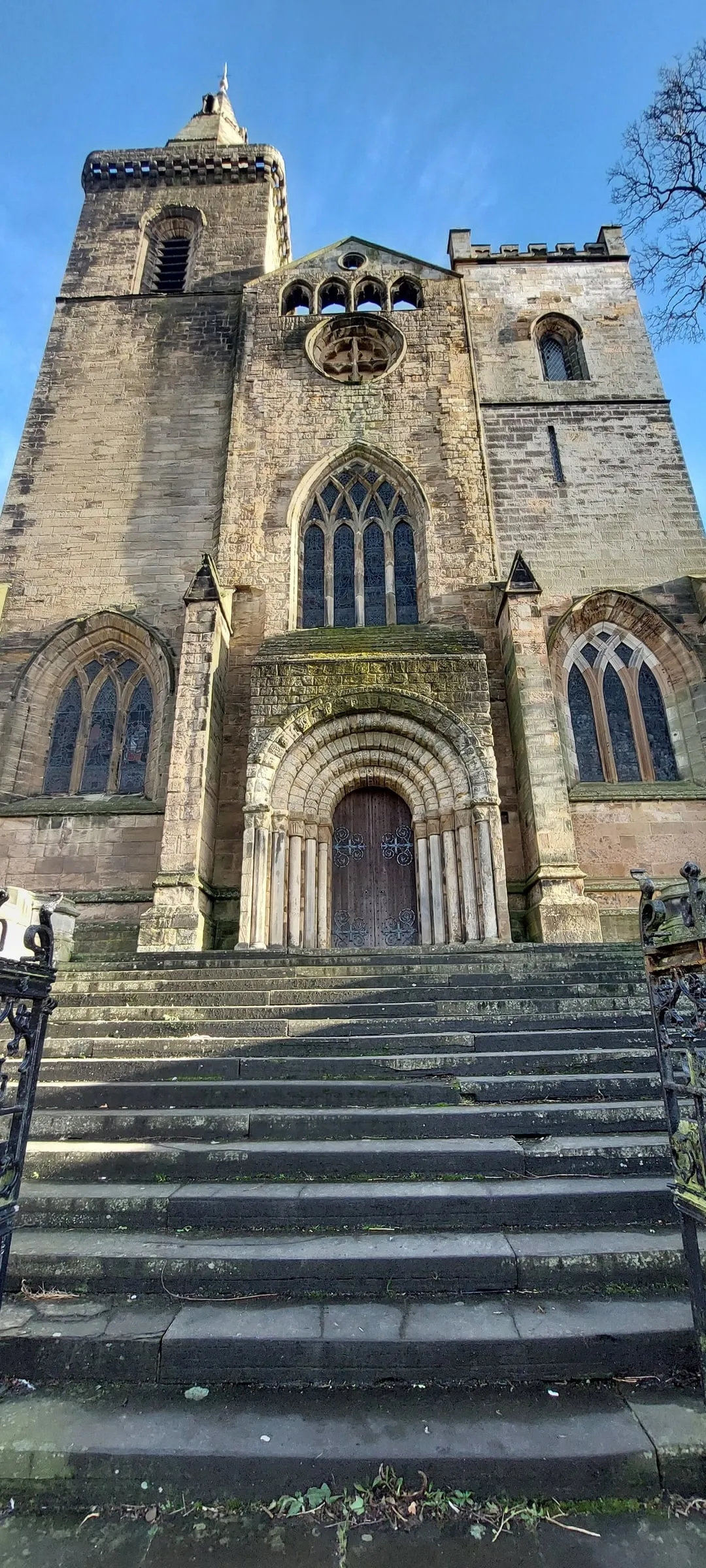
In the 1070s Queen Margaret brought Benedictine monks from Canterbury to Dunfermline. In 1128 her son David I raised their priory to an abbey.
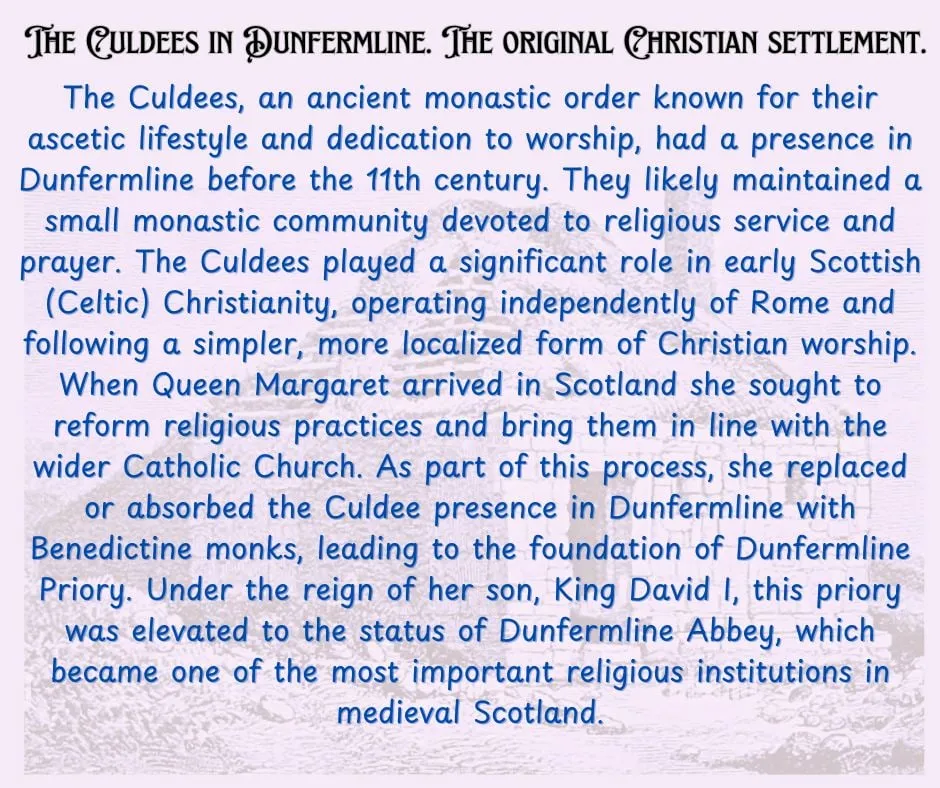
Before the 11th century the Culdees, an ancient monastic order, kept a small religious community in Dunfermline, later replaced by Queen Margaret’s Benedictine monks.
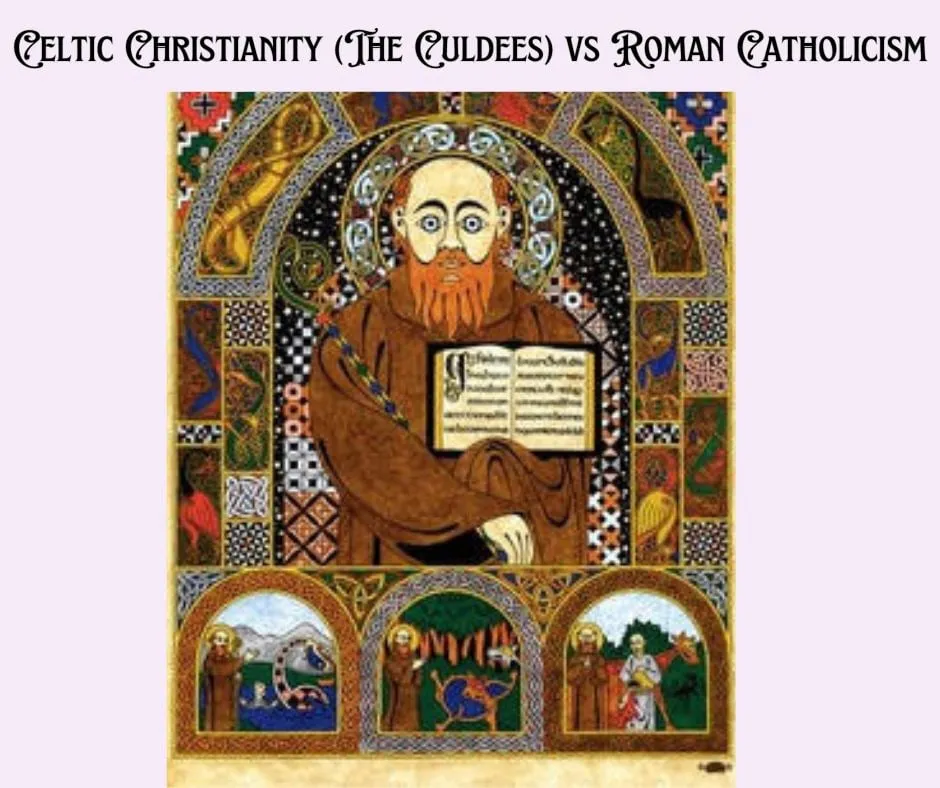
How the Culdees of early Scotland differed from the Roman Church, from the timing of Lent to confession and absolution.
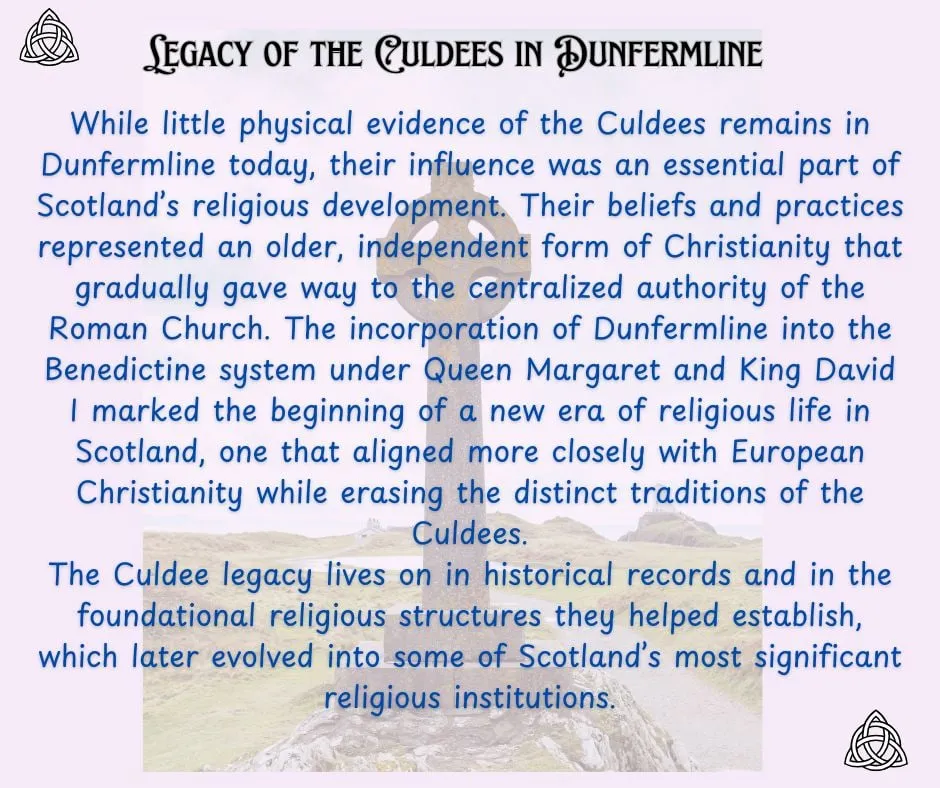
Little physical trace of the Culdees remains in Dunfermline, but their older, independent Christianity is part of Scotland’s religious history.
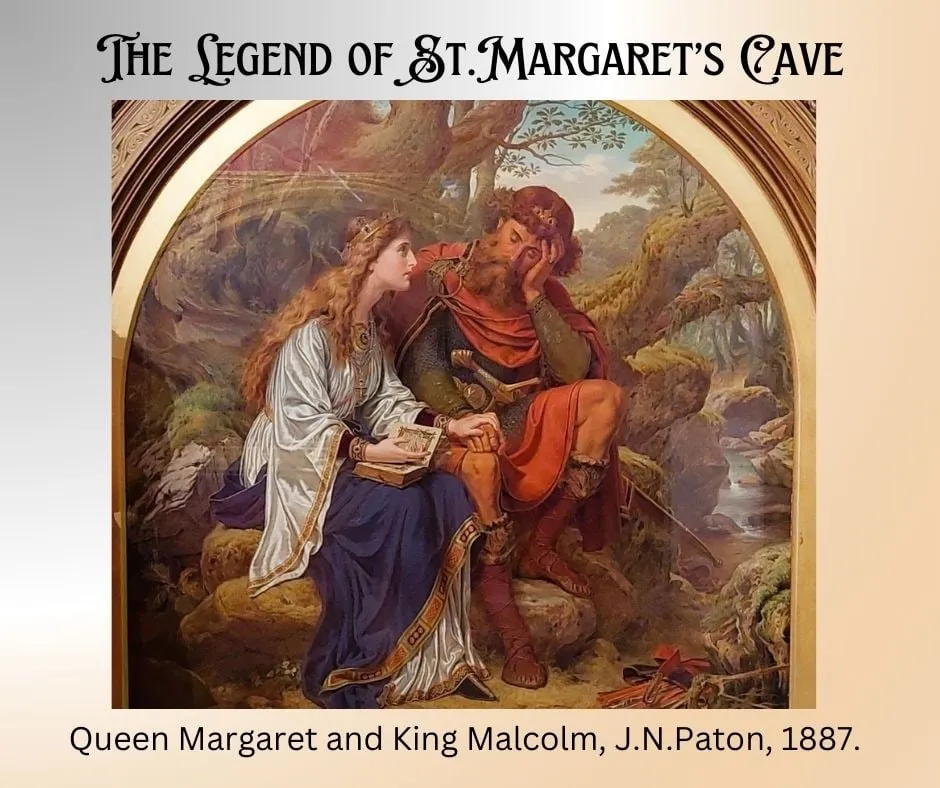
Legend says Queen Margaret used a cave in Dunfermline as a secret place of prayer, and that King Malcolm followed her there after a jealous courtier raised his suspicions.
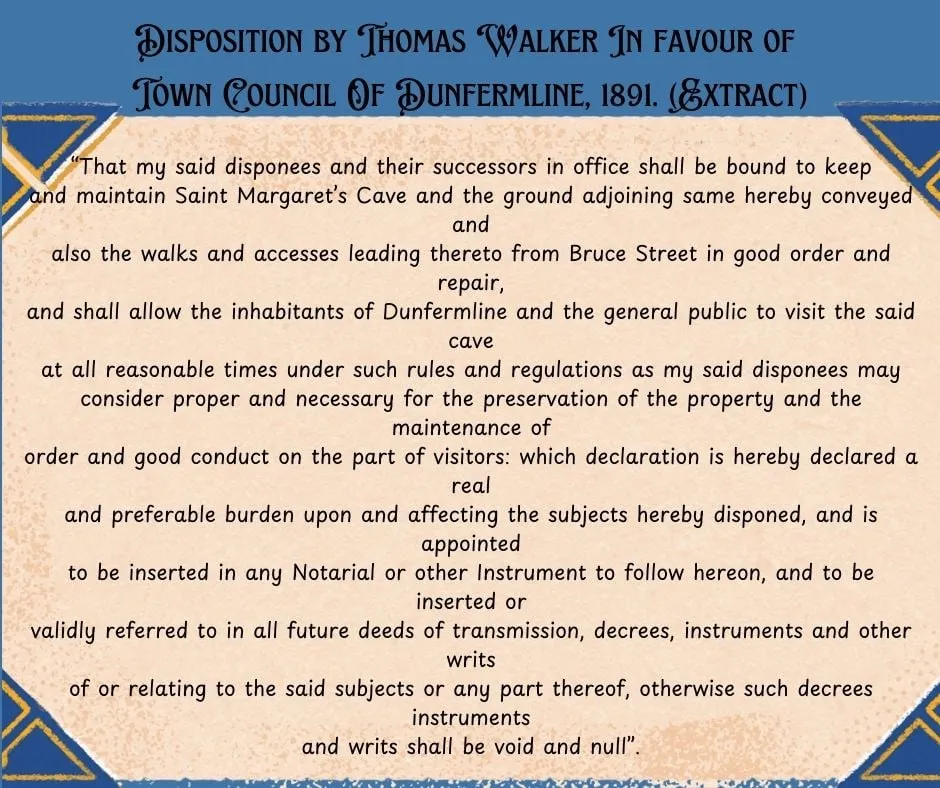
There is little evidence for the legend of St Margaret’s Cave: it is only mentioned from the early 19th century, and Turgot’s biography of Margaret never refers to it.