Historic Dunfermline
The Culdees and the Roman Church: Celtic Christianity in Dunfermline
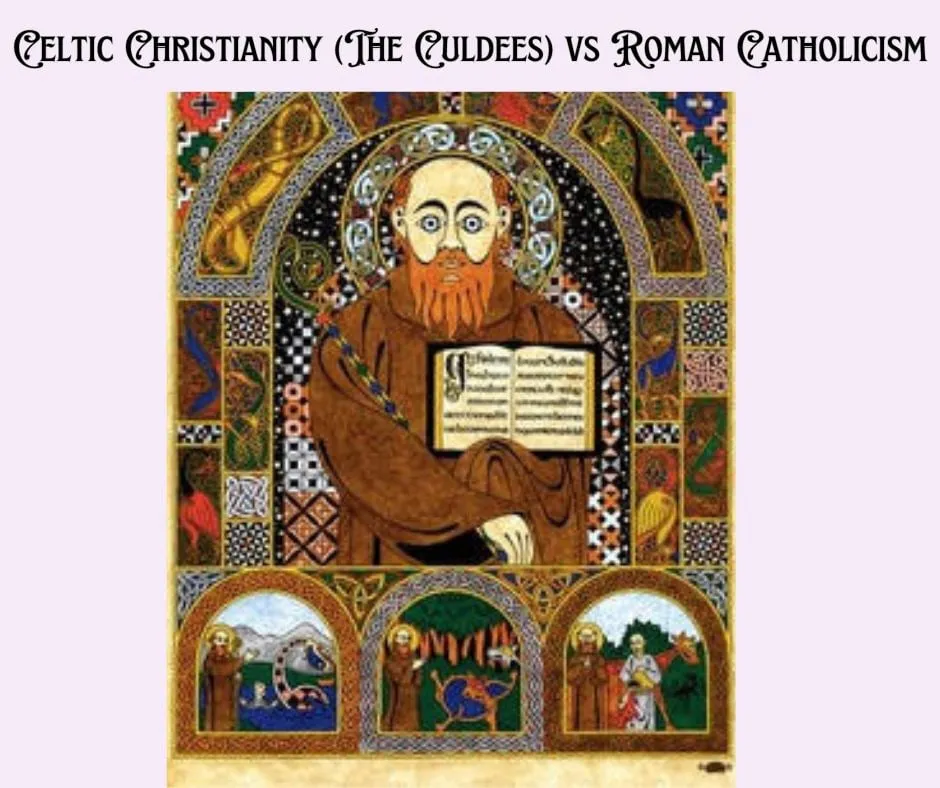
The Culdees diverged from the doctrines and practices of the Roman Church in several key ways:
1. Observance of Lent – They followed a different tradition in determining the time for observing Lent, which was a point of contention with Roman practices.
2. Confession and Absolution – The Culdees rejected auricular confession (private confession to a priest) and the granting of absolution by clergy. Instead, they believed that sins should be confessed directly to God, as only He had the power to forgive sins.
3. Baptism – Unlike the Roman Church, which had formalized baptismal rites, the Culdees performed baptisms in any available water without elaborate ceremonies.
4. Doctrine of the Real Presence – They denied the Catholic doctrine of transubstantiation, which holds that the bread and wine in the Eucharist become the actual body and blood of Christ.
5. Rejection of Idolatry – The Culdees strongly opposed what they saw as the idolatrous worship of images and relics within the Roman Church. Their churches were typically dedicated to the Holy Trinity rather than to saints or the Virgin Mary. The monastery at Dunfermline followed this practice, aligning with other Culdee establishments.
6. Prayers for the Dead – They did not believe in offering prayers for the dead. Instead, they honored deceased holy figures by giving thanks for their lives but did not consider such prayers as a means of securing forgiveness or redemption for the departed.
7. Doctrine of Supererogation – The Culdees rejected the idea that individuals could perform extra good works beyond what was required for salvation, a concept upheld by the Roman Church. They denied the notion of personal merit in salvation, emphasizing humility and divine grace.
8. Clerical Marriage – Unlike Roman Catholic priests, the Culdee clergy were permitted to marry. However, when it was their turn to minister, they abstained from relations with their wives. Their property was partly communal, but valuable assets were passed down to their families, and the priesthood often remained within the same hereditary lines.
image source https://www.returnofthedoves.com