Historic Dunfermline
Violet: the Forgotten Poetess of Dunfermline
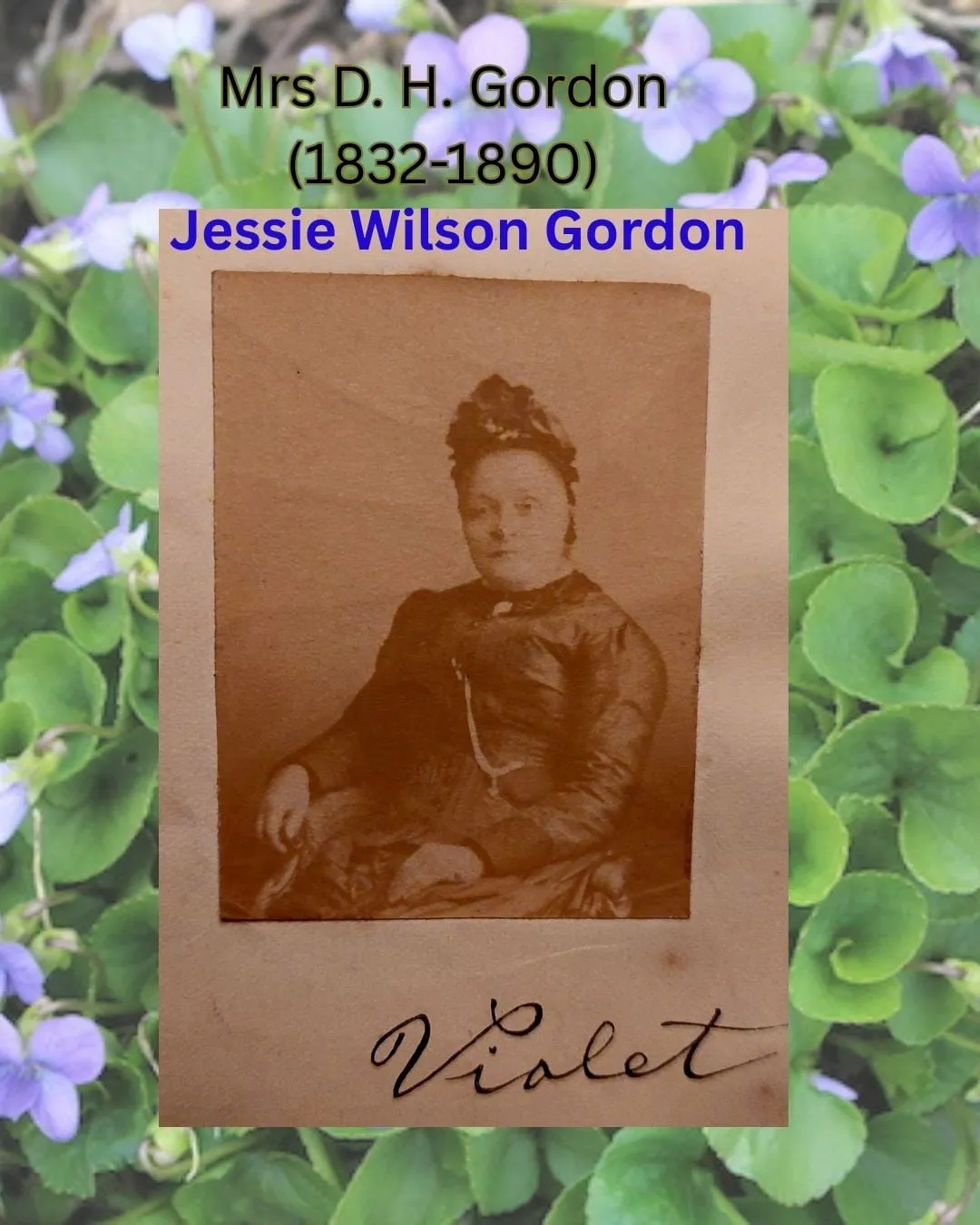
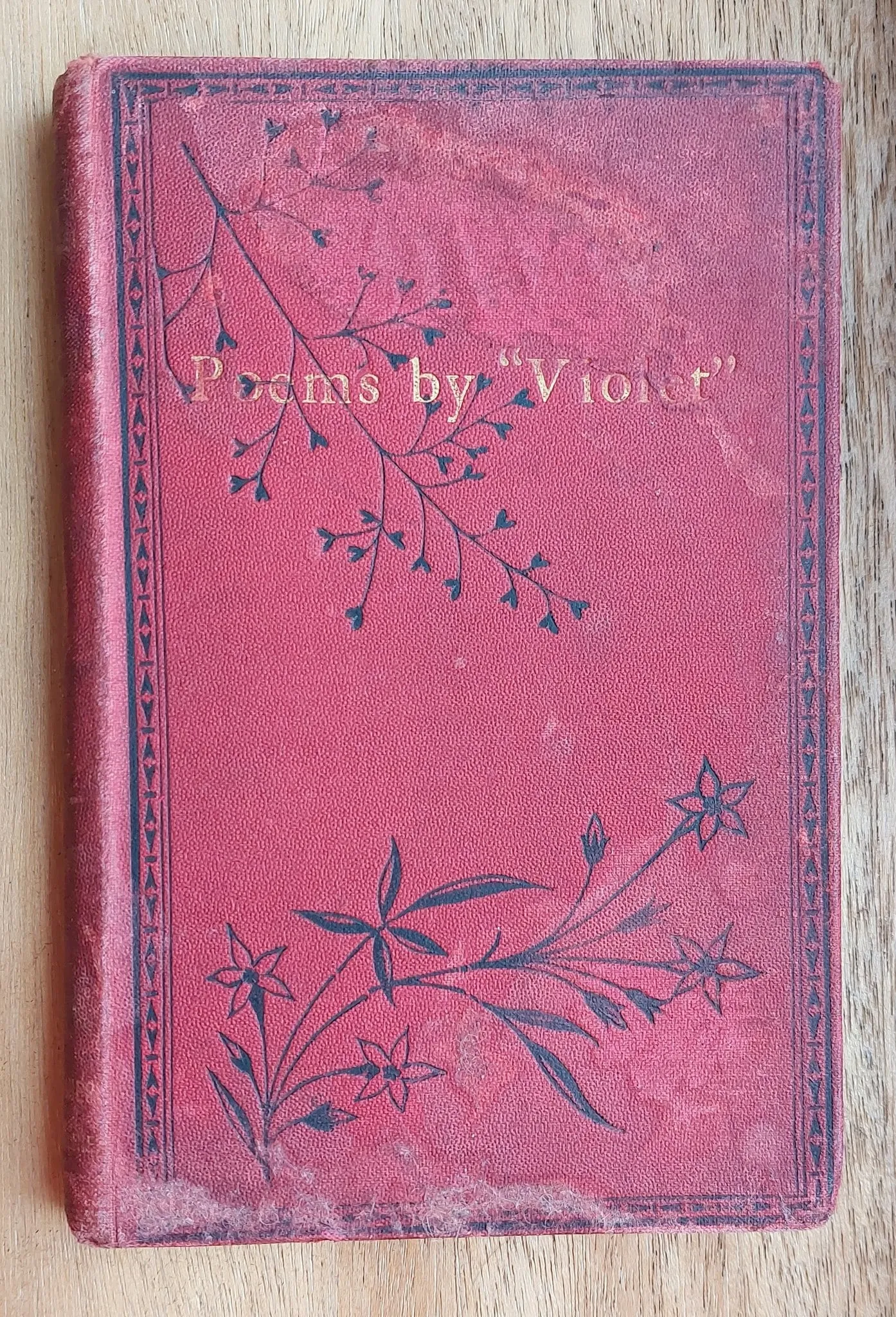
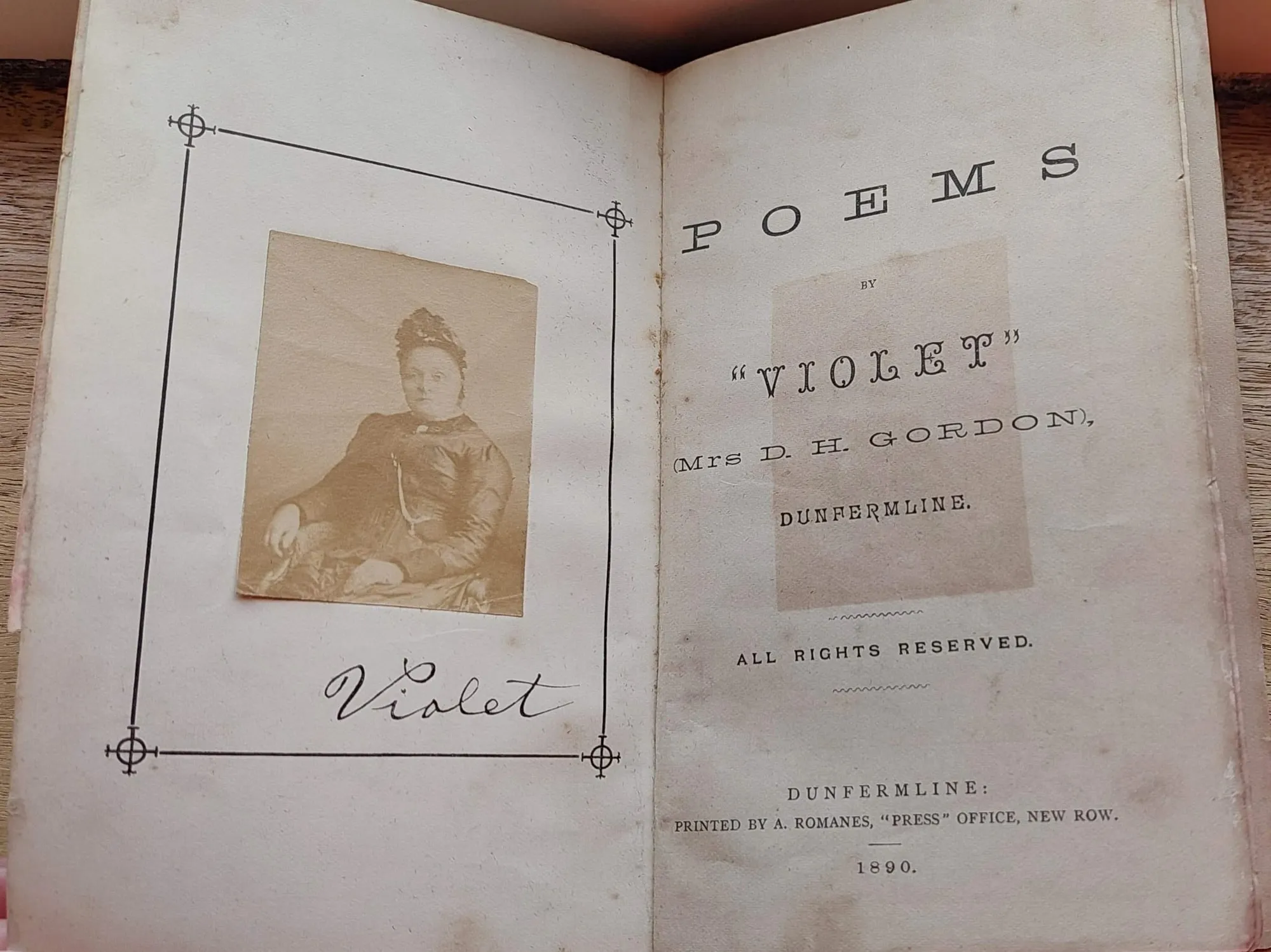
By a stroke of luck, I became the honoured owner of a small book of poems signed simply by Violet. At first, I knew nothing about her. But with the kind help of the Dunfermline Family History Group, the puzzle pieces of Violet’s life began to come together, and a new picture emerged from the fragments of history.
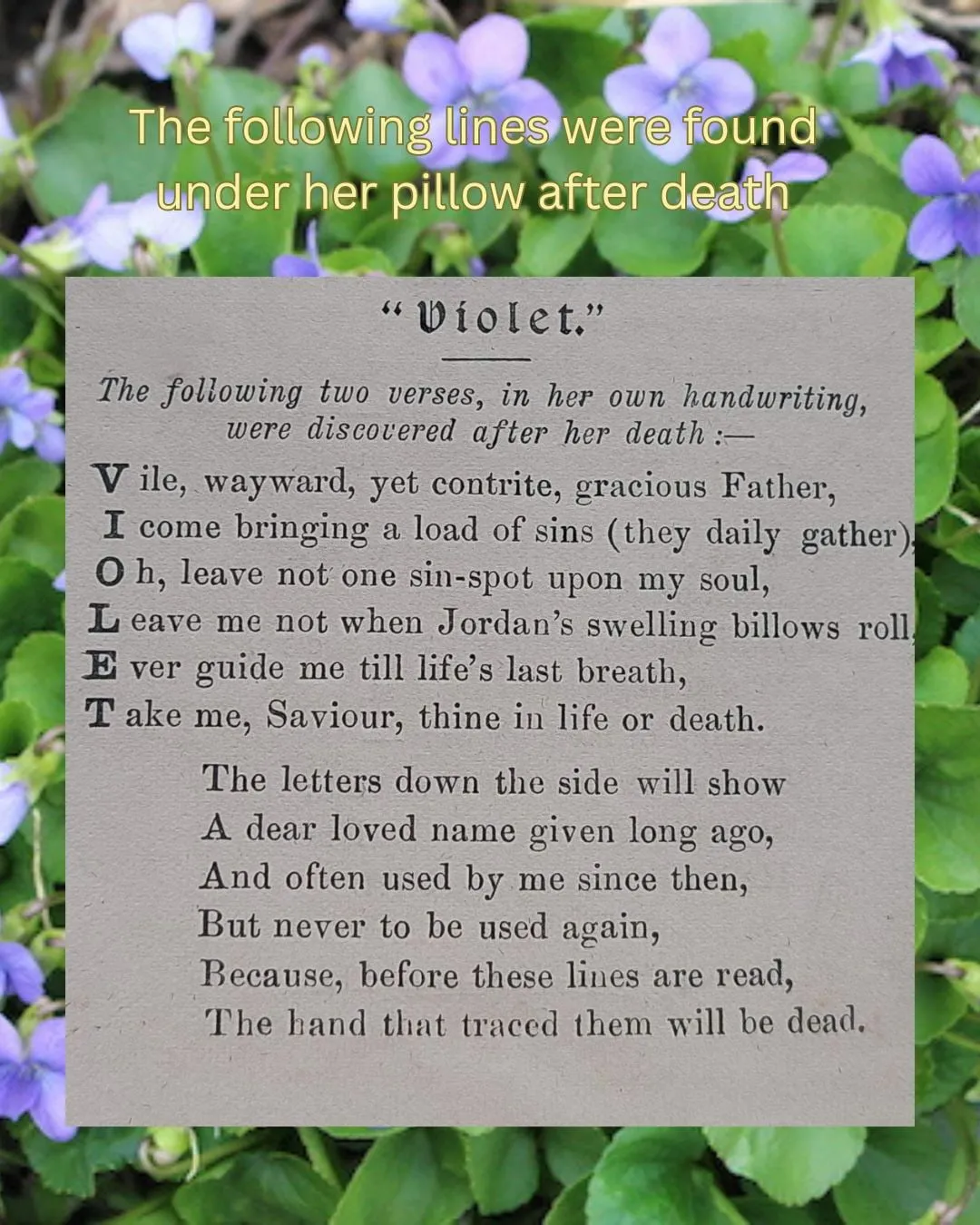
I soon discovered that Violet was Jessie Gordon (née Janet Wilson), a woman whose life in 19th-century Scotland was full of hardship, yet who still found time and courage to write poetry.
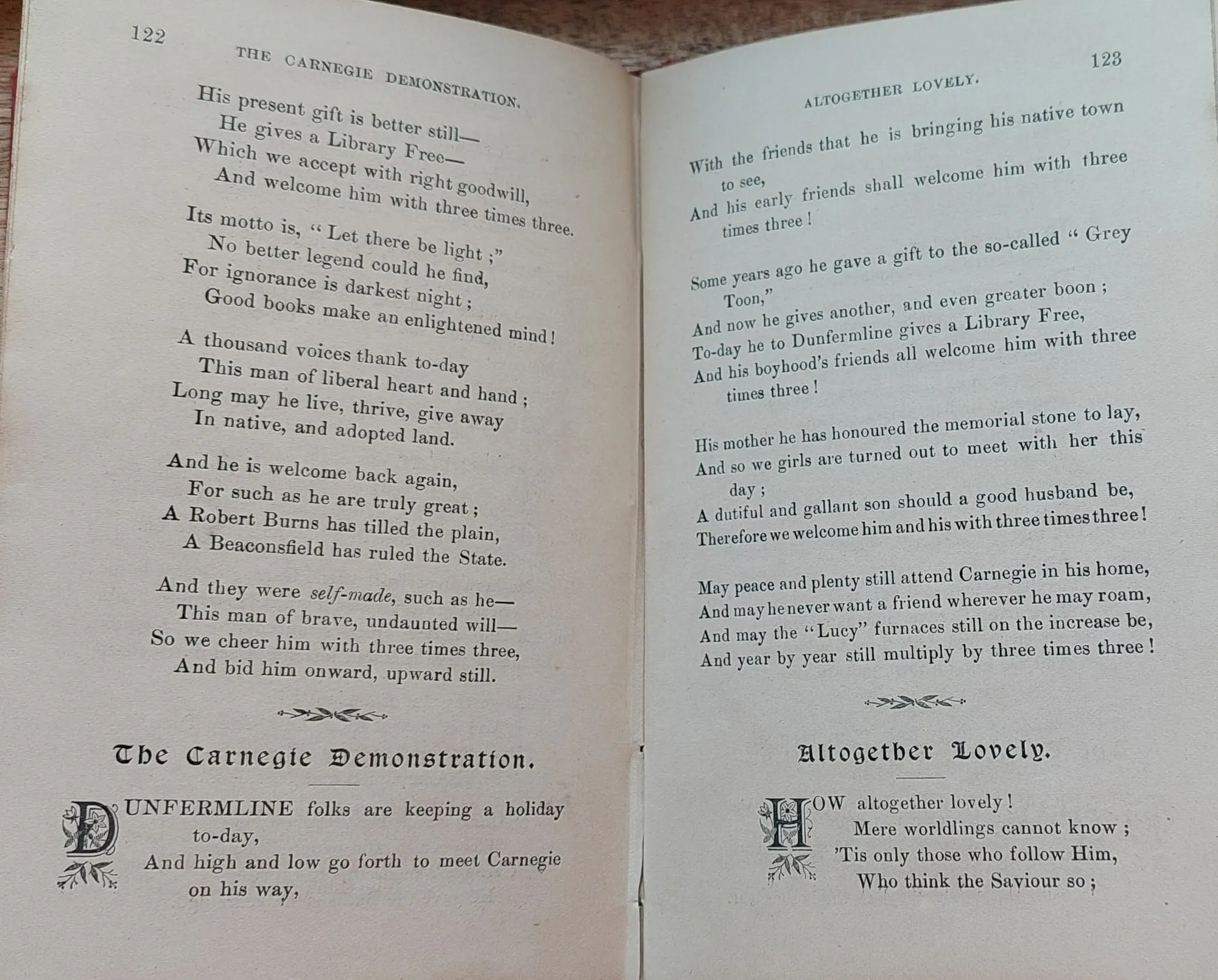
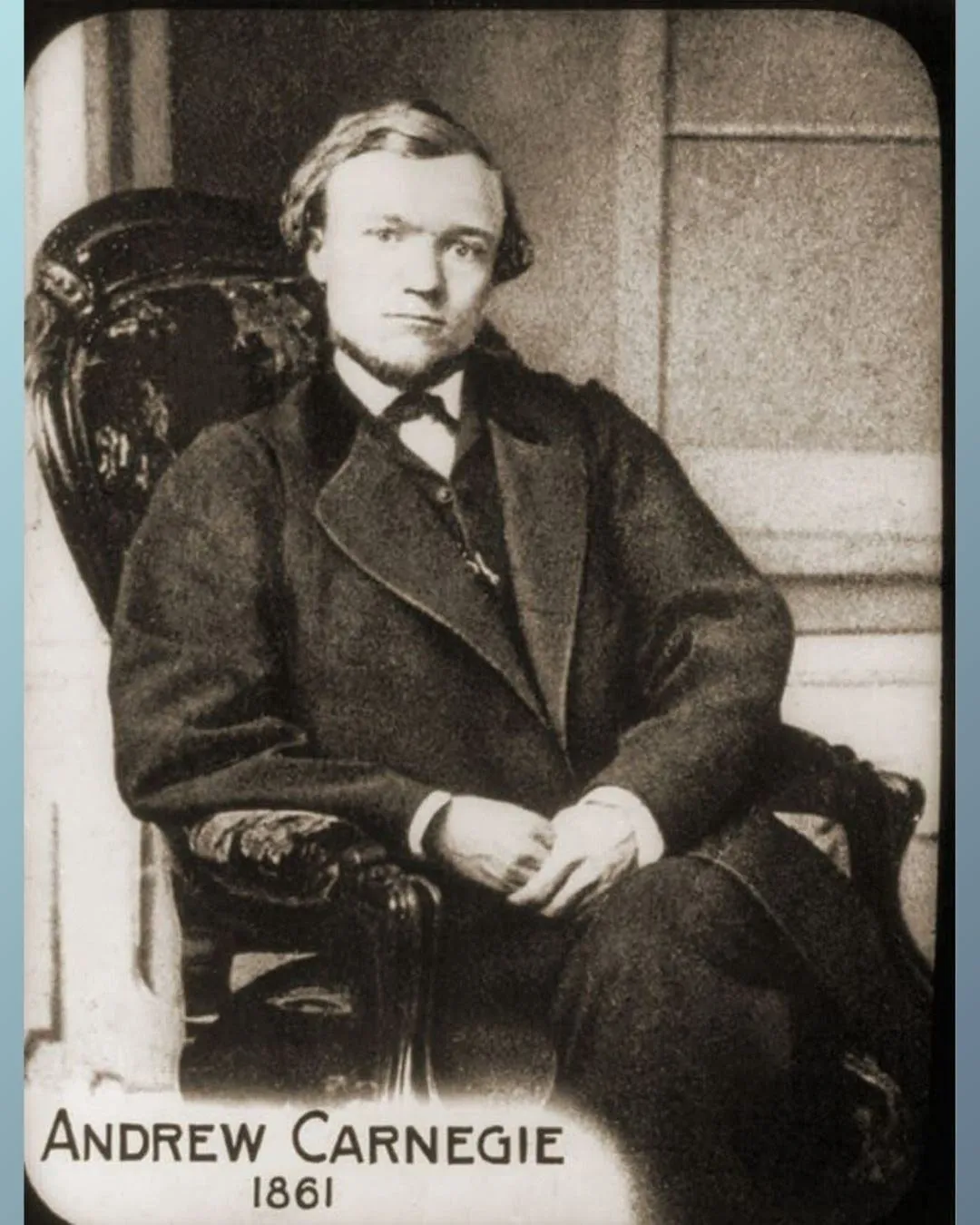
She lived in Dunfermline, where she drew inspiration from her thoughts, dreams, and everyday experiences. Remarkably, she was a contemporary of Andrew Carnegie and even witnessed his triumphant return to his hometown with his mother when he came to lay the foundation stone of the very first Carnegie library.
Jessie was a remarkable woman — respected locally and admired for her talent. Some critics dismissed her verses as “pathetic” in tone, but in truth, that was her way of expressing both herself and the world she saw around her.
🌱Early Life.
Jessie Wilson was born in 1832 in the Perthshire village of Auchtergaven (today known as Bankfoot). She spent a happy childhood there, the daughter of a small village shopkeeper remembered for his energy and intelligence. On her mother’s side, Jessie was connected to the family of Robert Nicol, a lyrical poet whom Ebenezer Elliot once called “Scotland’s second Burns.”
In her youth, Jessie worked in a factory at Leslie before marrying David Hutchinson Gordon, a yarn dresser, and moving to Dunfermline, where the couple settled on Grieve Street. Curiously, the anniversary of her first day of married life in her new home would later coincide with the date of her funeral.
🍂Illness and Hardship.
Life was not easy for Jessie. She endured five years of spinal paralysis, which left her entirely helpless. Although she recovered enough to continue her life, a recurrence of the illness eventually claimed her. She died on Saturday, 22 March 1890 and was buried the following Tuesday, 26 March. She left behind her husband and two sons.
Jessie’s husband - David Hutchinson Gordon - succumbed to cerebrospinal meningitis 9 years later, in 1899.
🌺A Poet’s Voice.
Jessie Gordon first appeared in print in 1867 in the People’s Journal. The following year, one of her poems was included in a published selection, and from then on, she became a regular contributor to the local press - the Dunfermline Journal.
Her poems were usually short and simple — heartfelt reflections on bereavement, the changing of the seasons, and the return of spring. While some critics judged them sentimental, they reveal both her inner struggles and her love for the natural and social world around her.
She also kept a carefully chosen library of books, showing her devotion to literature as both a reader and a writer.
After her death, a collected volume of 114 poems was published, many of them printed for the first time. The Dunfermline Press noted of this book:
“Slight and fluent many of the poems are, yet not without grace, and the thoughts they embody are always meritorious.”
Though her name never became widely known, Violet’s poetry remains part of Dunfermline’s cultural history — a voice of her time and community, and one of the few female poets of her day to leave a record in print.
🌿Family and Descendants.
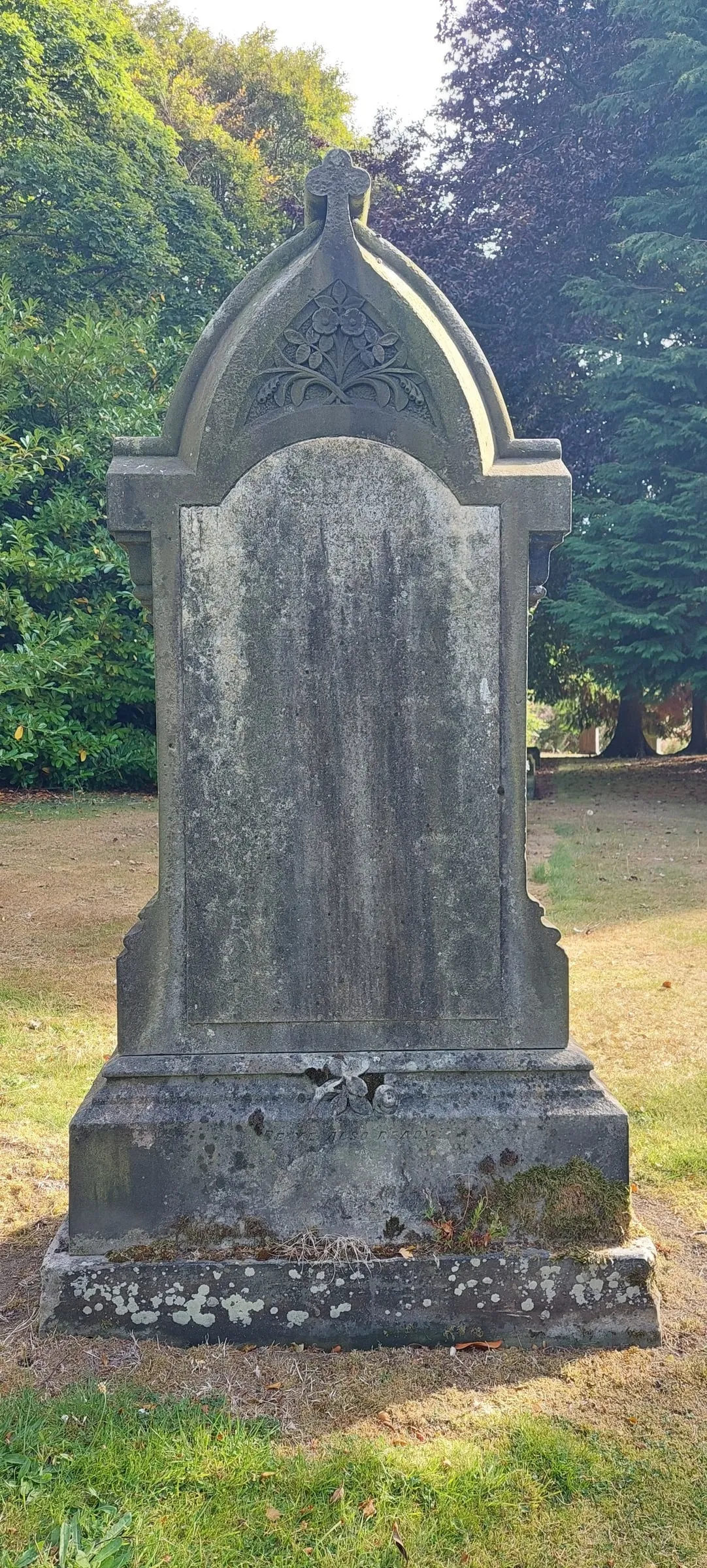
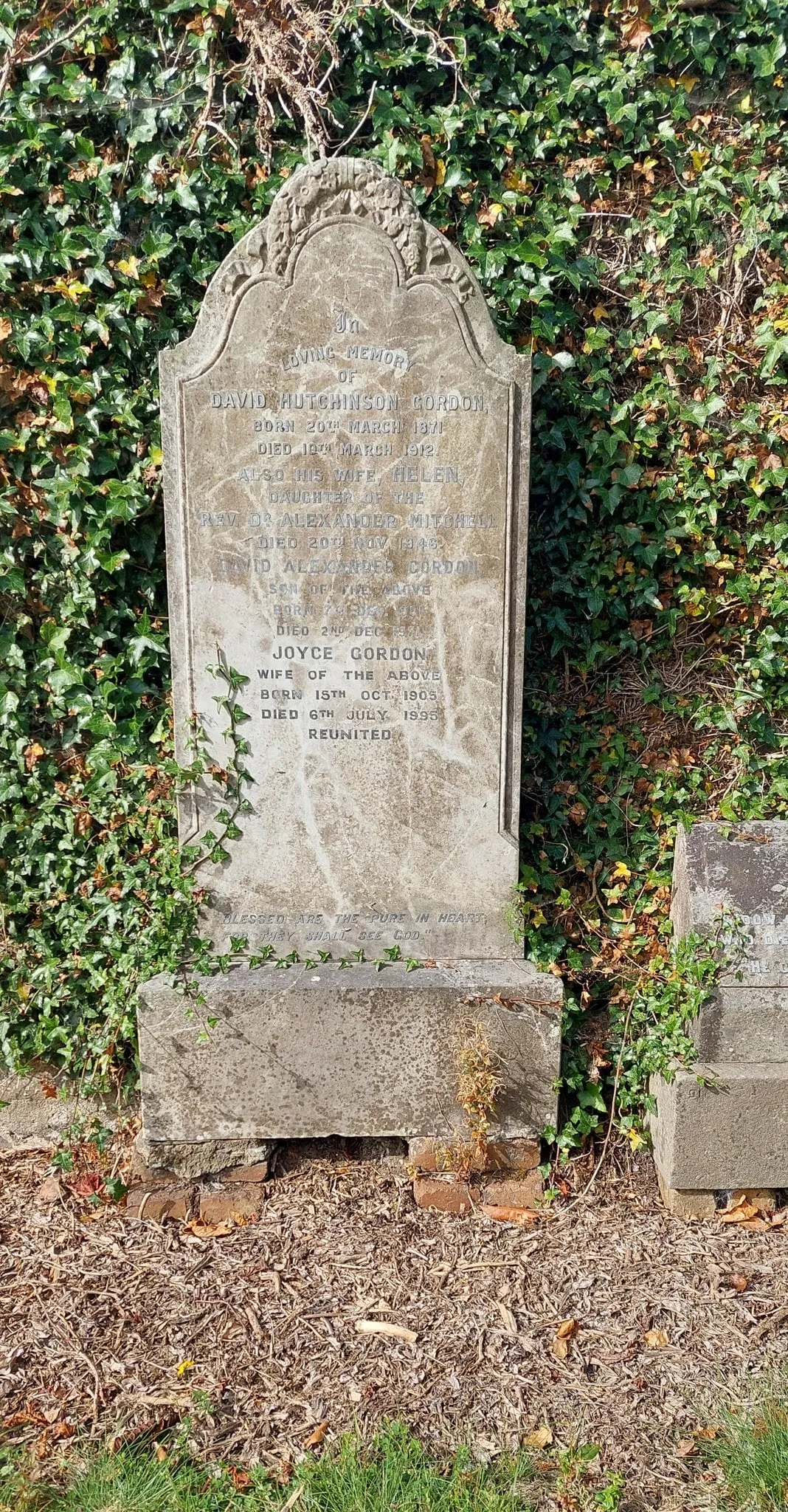
Jessie and David Gordon raised two sons born in 1871 and 1874. There aren’t many records about the younger son, James, a bank clerk in his youth. However, the elder, David, the linen merchant, lived until the age of 40 and died in 1912. He had married Helen Mitchell, and together they had a son, David Alexander Gordon, who was later buried with his father in 1975.
The 1911 census shows that David Hutchinson Gordon (named after his father) and his family were living in Buffies Brae, at McLean House, with his mother-in-law, Marion Mitchell, recorded as head of the household. Interestingly, the boy David Alexander was listed as having been born in Brazil — an unusual detail that deserves further exploration.
💐Remembering Violet.
The life of Jessie Wilson Gordon — Violet — illustrates the resilience of a woman who, despite ill health and limited opportunities, left her mark through poetry. She gave voice to everyday joys and sorrows, and her work remains a moving reflection of her time.
I’d like to think that Violet’s descendants are still out there, keeping alive the memory of this remarkable ancestor. If you happen to be connected to her story, or if you are interested in learning more about her life, please do get in touch.
(The sources used for this article: ScotlandsPeople.gov.uk, BNA.)
Photographs