 Historic Dunfermline
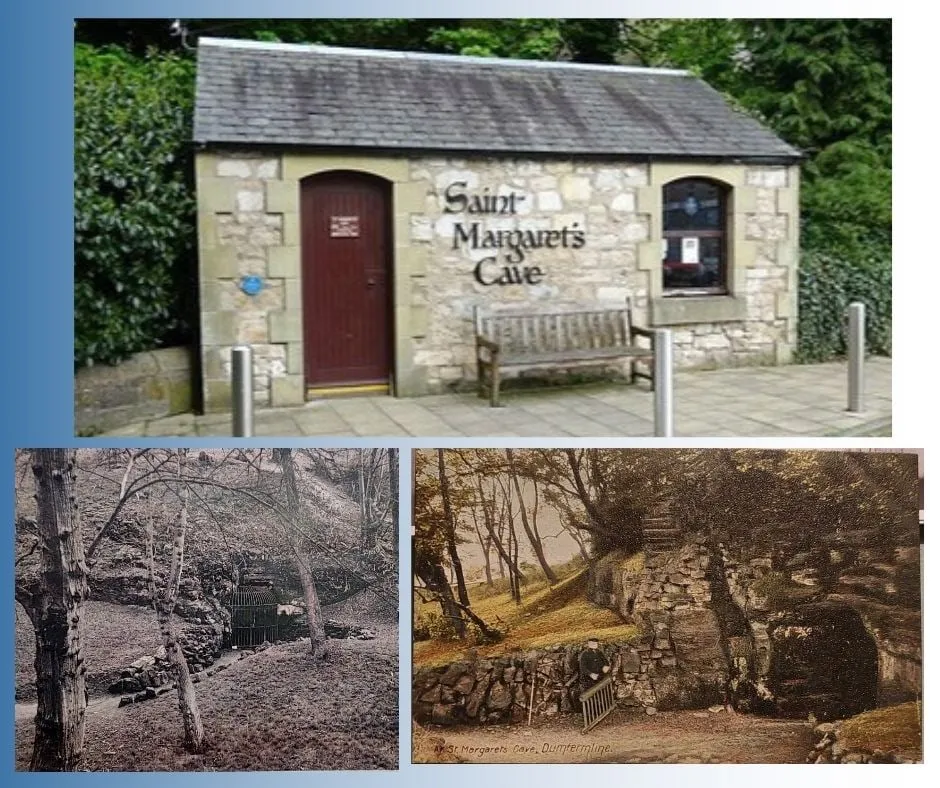
St Margaret’s Cave Today
Whatever its true story, St Margaret’s Cave remains part of Dunfermline’s heritage, keeping alive the memory of Queen Margaret and her devotion.
23 stories with this tag.
Whatever its true story, St Margaret’s Cave remains part of Dunfermline’s heritage, keeping alive the memory of Queen Margaret and her devotion.
Malcolm Canmore and Queen Margaret died days apart: Malcolm killed at the Battle of Alnwick, Margaret soon after hearing the news. Both were buried in Dunfermline.
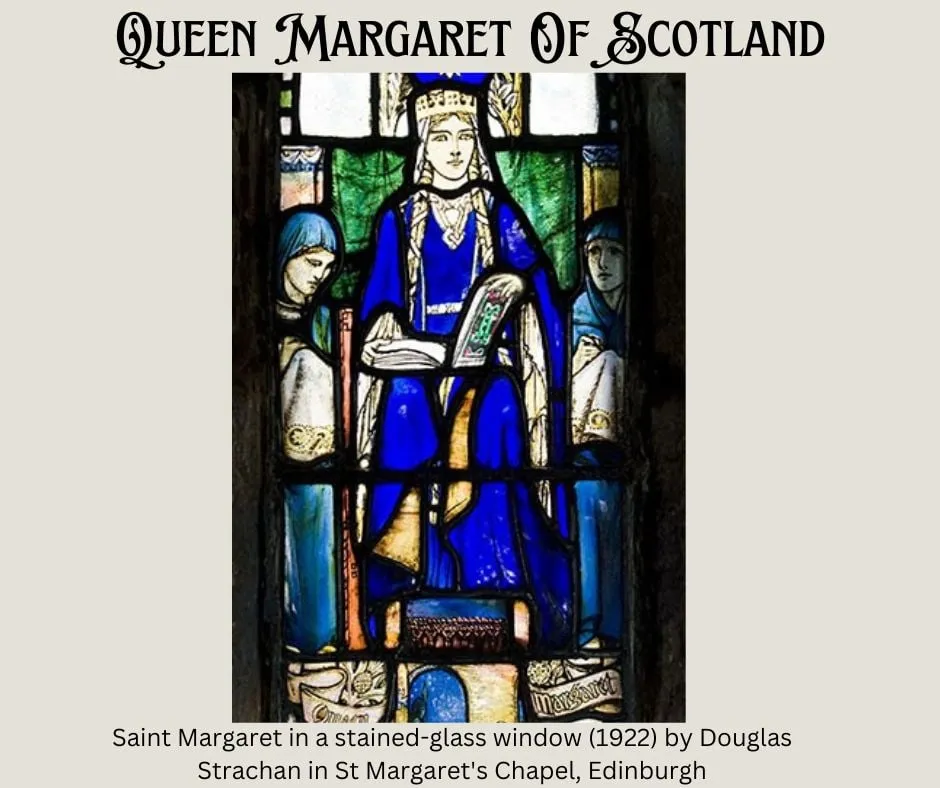
Born in Hungary in 1045/46, the daughter of Edward the Exile, Margaret of Wessex became Malcolm Canmore’s queen. Her confessor Turgot describes an extraordinary woman.
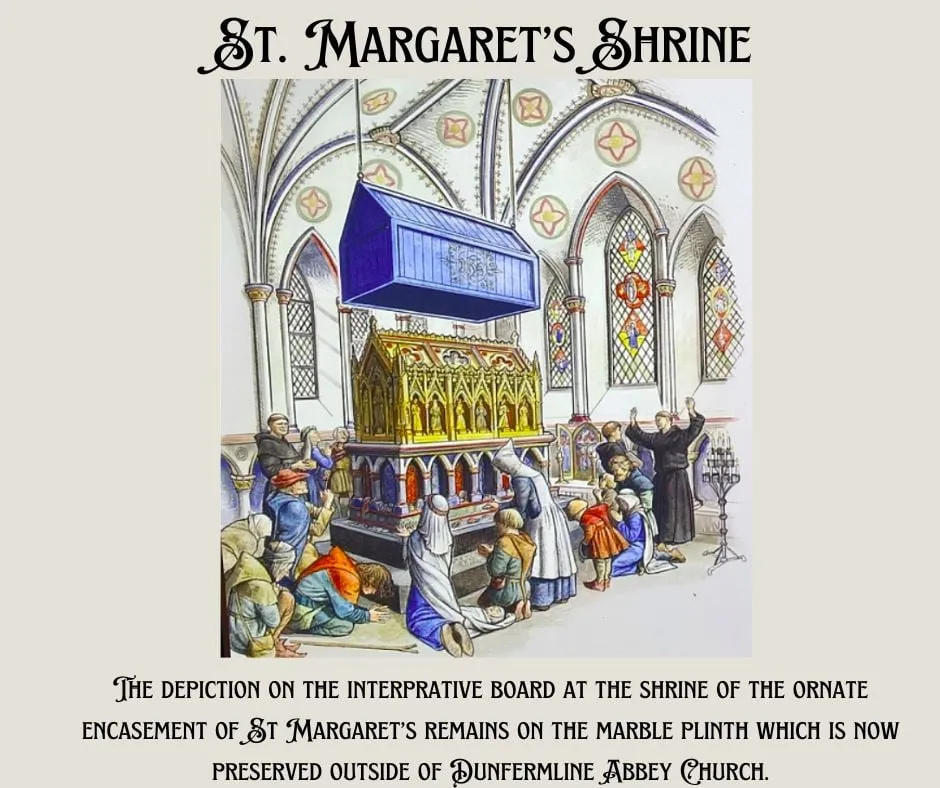
Photographs of St Margaret’s Shrine at the east end of Dunfermline Abbey, where the base of the medieval shrine still stands.
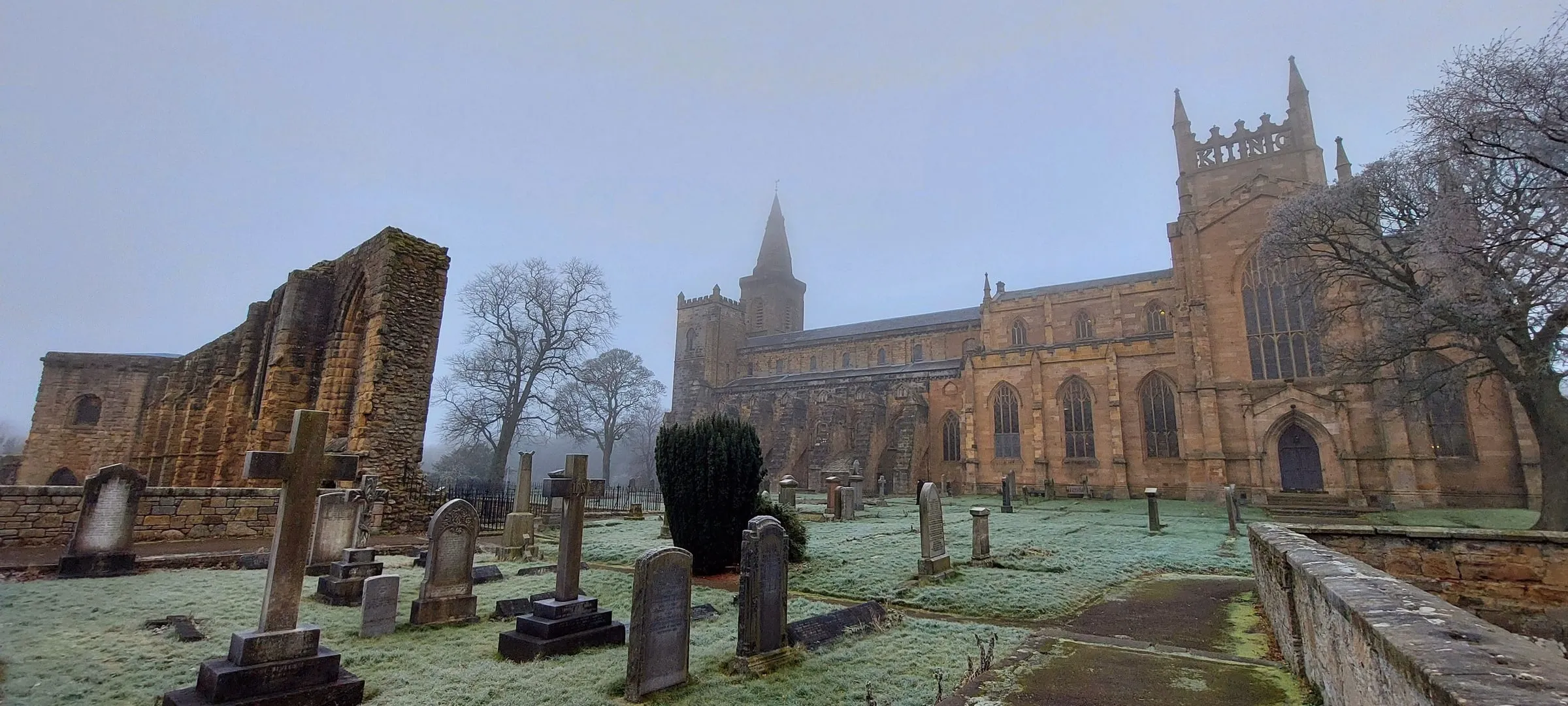
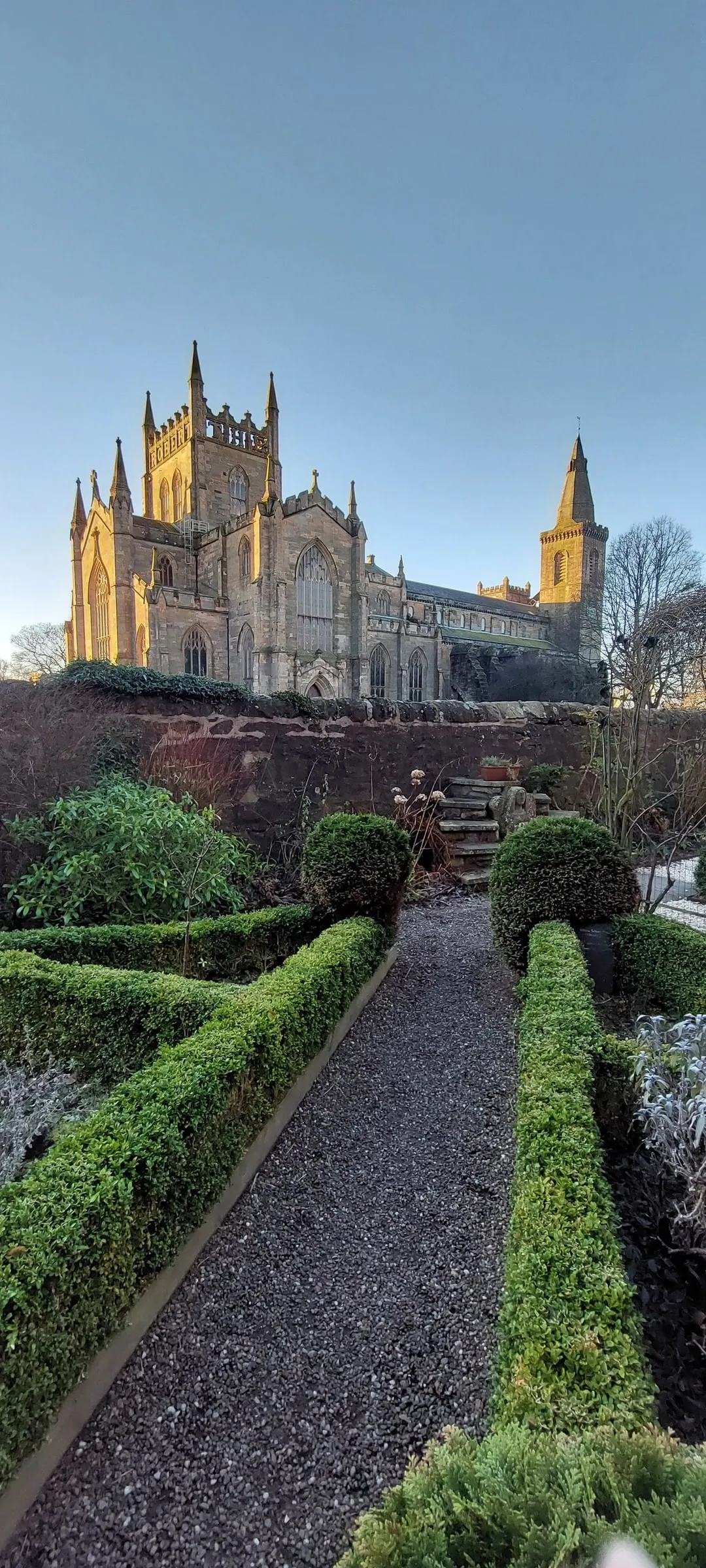
Dunfermline Abbey and the ruins of the royal palace on a frosty winter’s day.
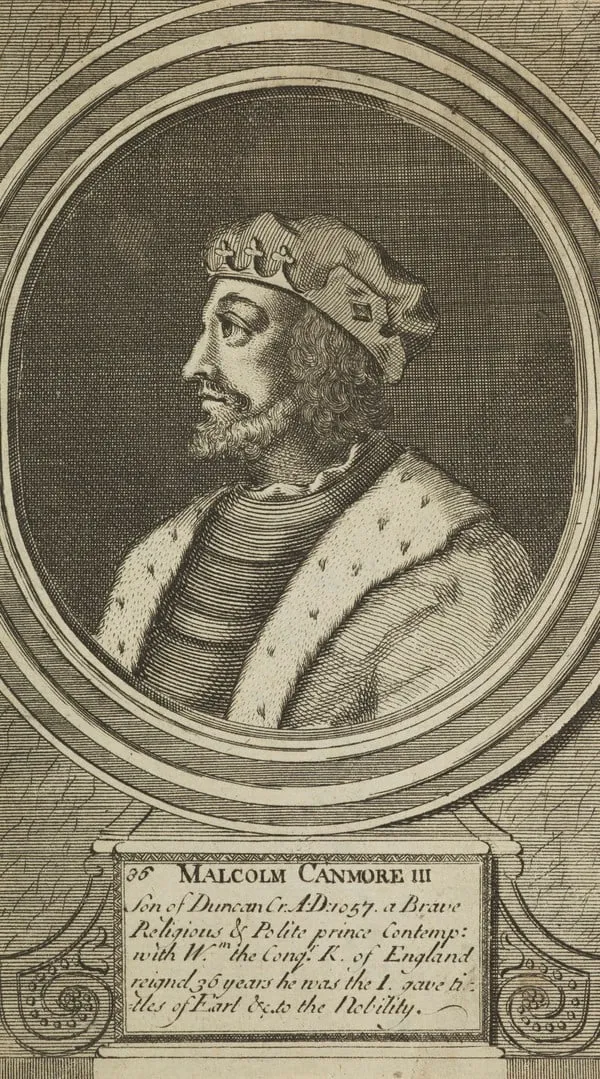
Malcolm III (c. 1031–1093), known as Canmore or “great chief”, was King of Alba for 36 years, one of the longest reigns in Scotland’s history.
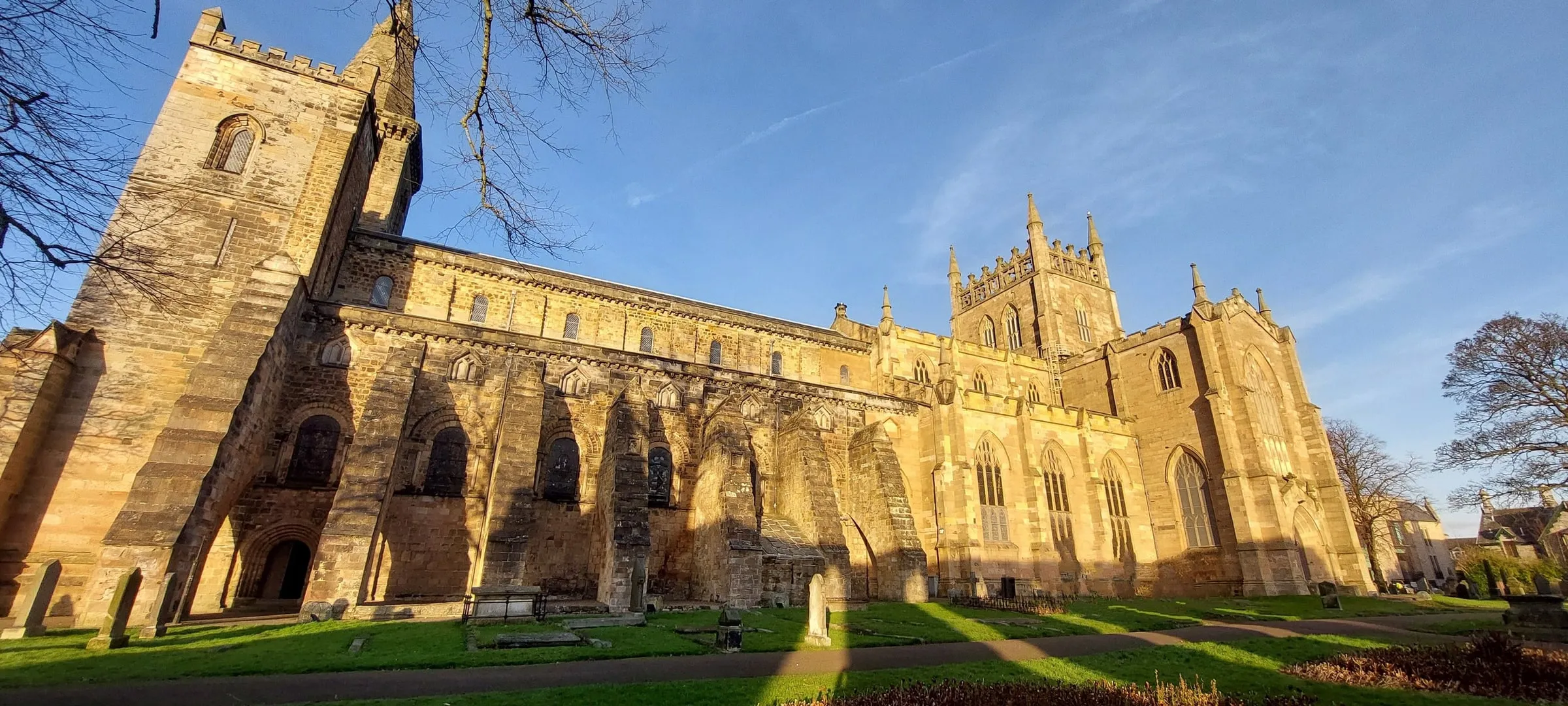
Dunfermline on a bright December morning: the abbey in low winter sun, the paths of Pittencrieff Glen and the avenue through Pittencrieff Park.
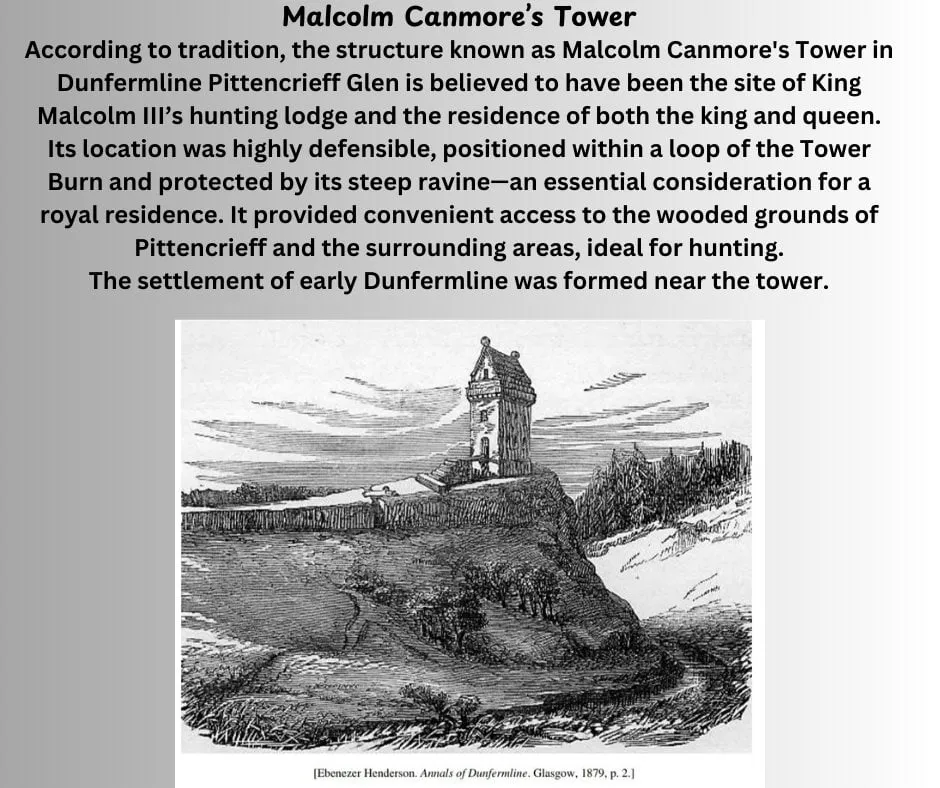
By tradition, Malcolm Canmore’s Tower in Pittencrieff Glen was King Malcolm III’s hunting lodge and royal home, on a site guarded by the steep ravine of the Tower Burn.
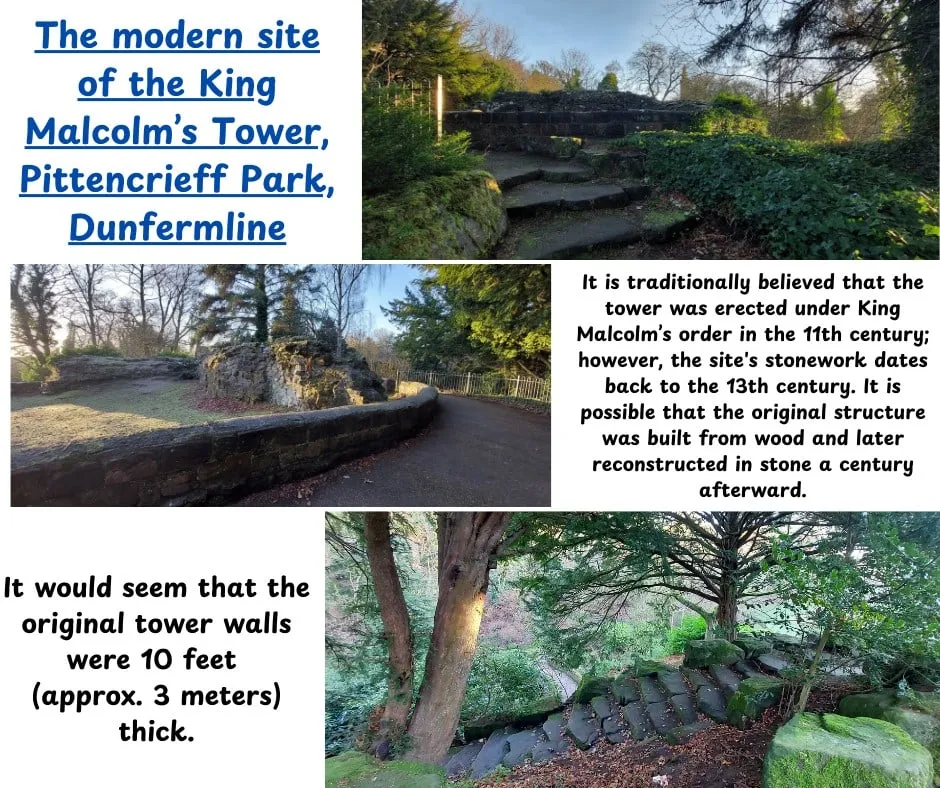
What is left of King Malcolm’s Tower in Pittencrieff Park: stonework thought to date from the 13th century, from walls once about 10 feet thick.
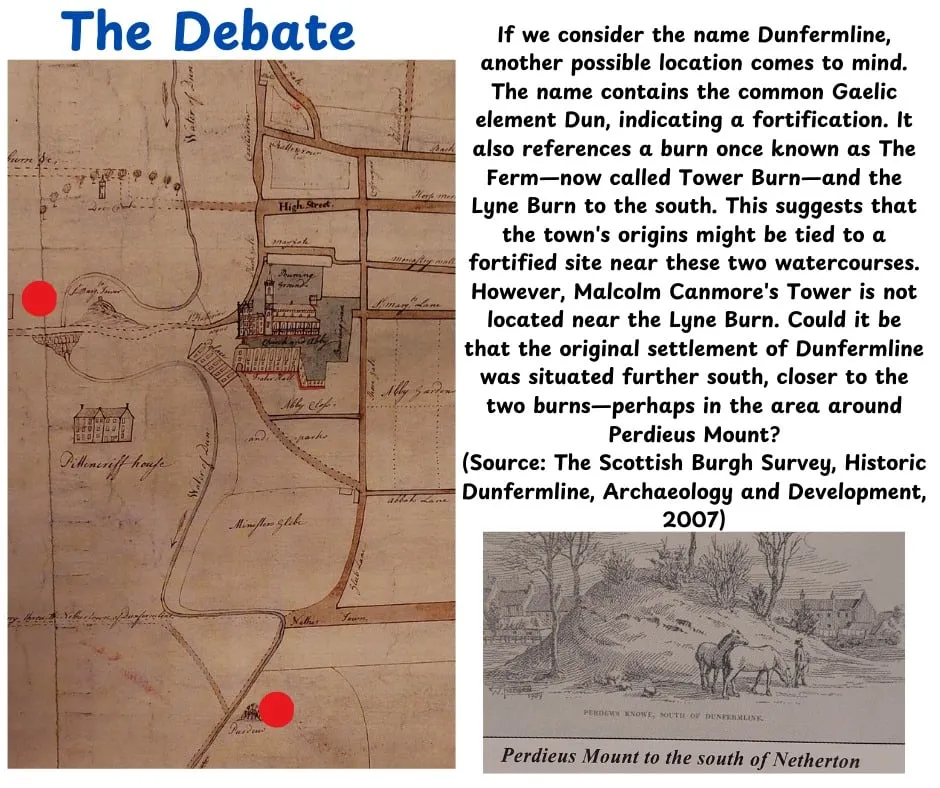
Did Dunfermline begin at Malcolm Canmore’s Tower, or further south near the Lyne Burn and Perdieus Mount? What the name and the old burns suggest.
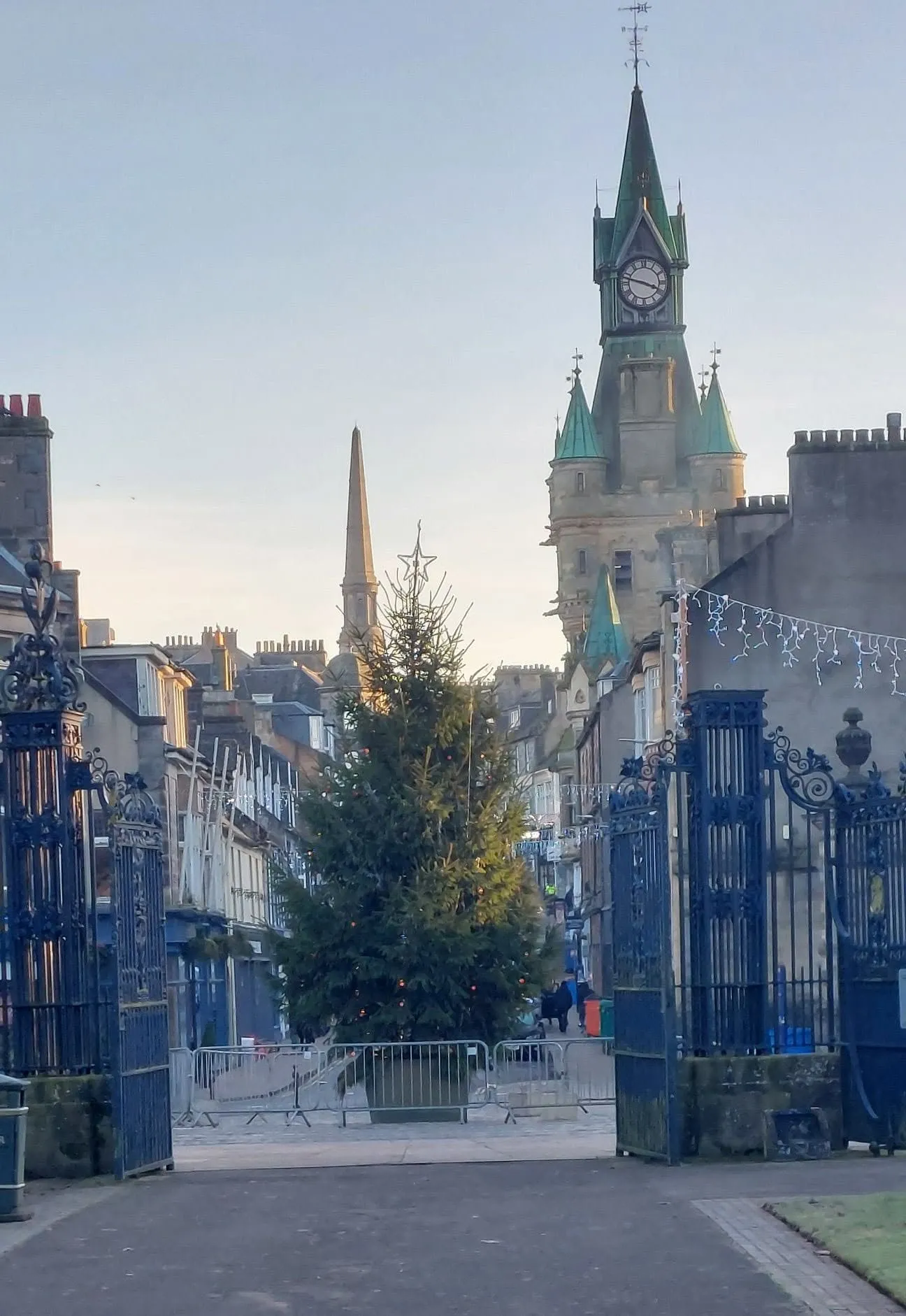
Dunfermline adopted the title of City in 1856 as the old royal capital, but was not officially recognised as a city until 2022.