Historic Dunfermline
Margaret of Wessex: Malcolm Canmore’s Second Wife
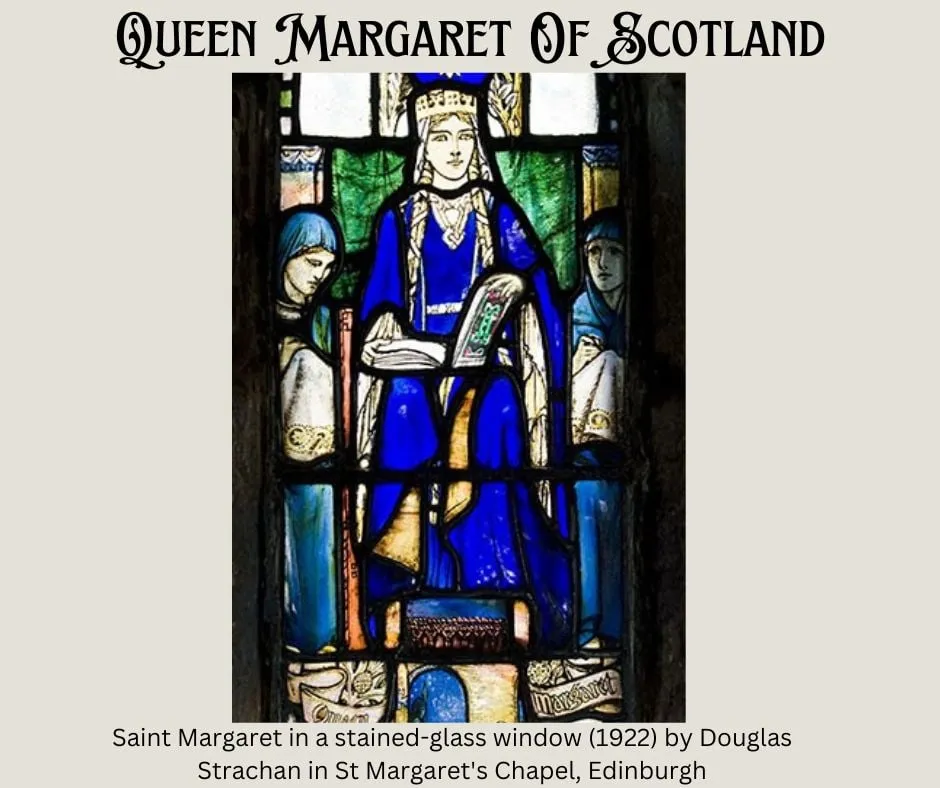
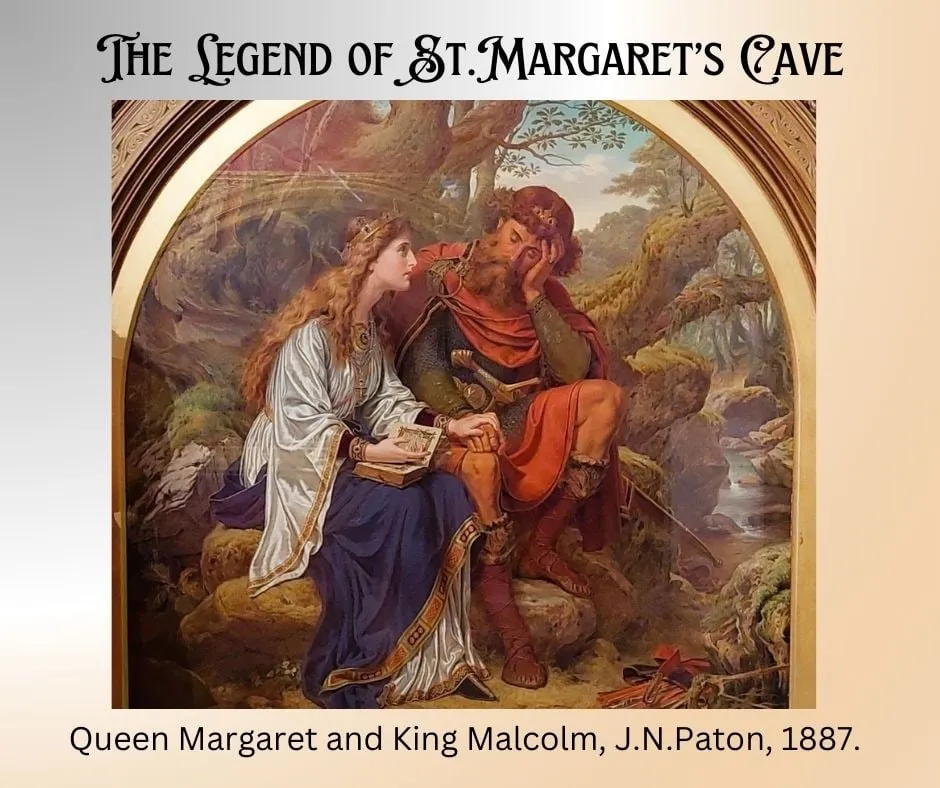
Margaret of Wessex was the second wife of Malcolm Canmore. Born in 1045/46 in Hungary, she was the daughter of Edward the Exile, an heir to the English throne, and Agatha, a relative of the King of Hungary about whom little is known. According to chronicles and the account written by her confessor, Turgot, Margaret was an extraordinary person: devoutly religious, charitable, and commanding in her interactions with others. She was not only saintly but also a stateswoman in her own right.
Margaret’s life in Dunfermline began under challenging circumstances. The story goes that in 1068, she and her family, including her brother Edgar the Aetheling—the heir to the English throne—were fleeing to avoid retribution from William of Normandy, who had conquered England. It is unclear where their ship was heading—possibly Norway, Hungary, or Scotland—but it shipwrecked in the Firth of Forth. King Malcolm welcomed them to Scotland, and shortly afterward (or two years later, in 1070), he married Margaret in a small church in Dunfermline. Some accounts suggest a pre-arranged betrothal between them, dating back to their meeting at the English court of Edward the Confessor, where Malcolm had taken refuge after Macbeth killed his father, Duncan.
Margaret, well-educated and refined, found the Scottish court unpolished. She introduced Saxon customs, including the use of gold and silver tableware. Under her influence, Malcolm and his courtiers began to wear furs, velvet, and jewelry, and court manners became more stately. Despite the increasing luxury of court life, Margaret devoted herself to helping the poor. She provided food for children and established a small hospital for lepers. Privately, she was as devout as she was publicly, spending much of her time in prayer, devotional reading, and ecclesiastical embroidery.
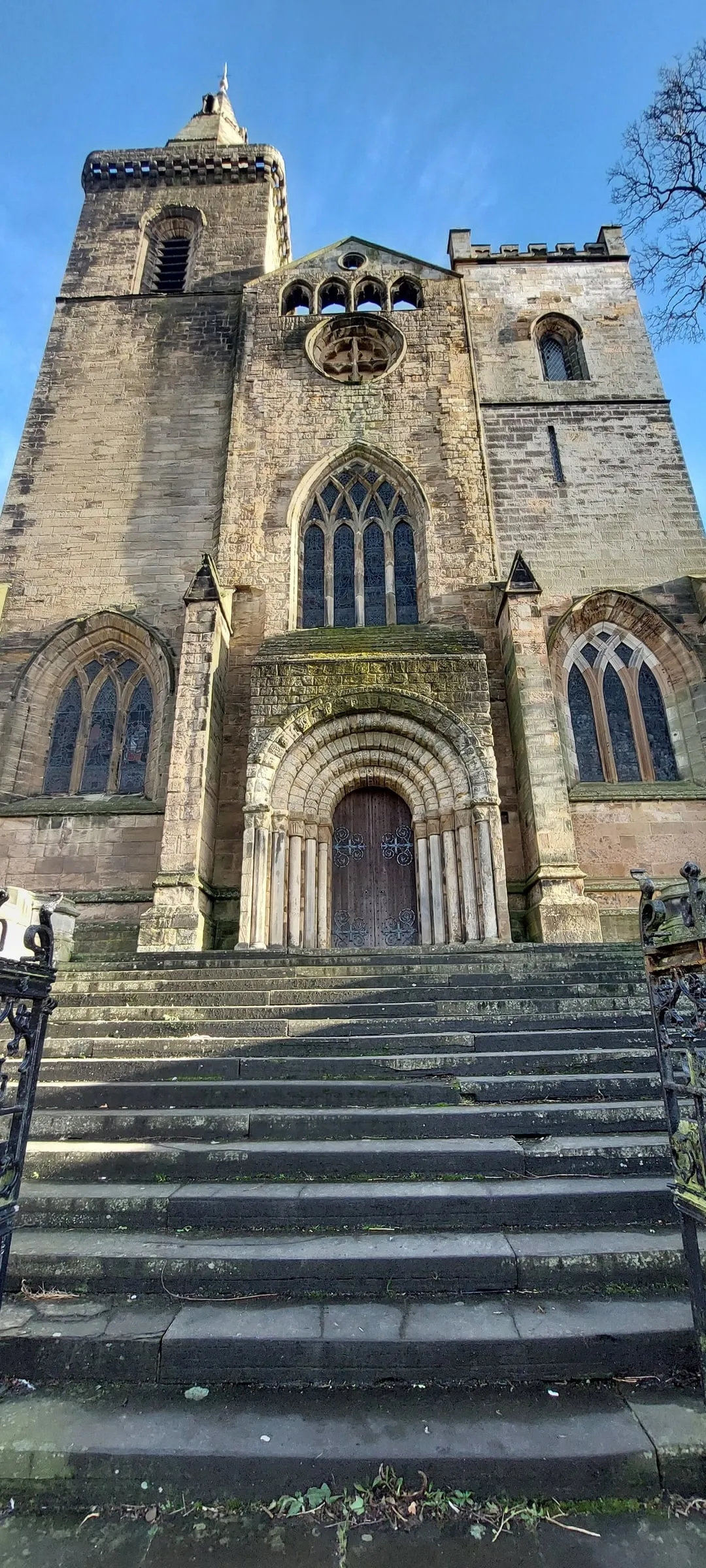
Raised in the Roman Catholic tradition, Margaret reformed Scottish religious practices. She ensured Sunday was kept free of work, promoted the proper observance of Lent, and aligned church services with practices common across Europe. The introduction of continental forms of monasticism to Scotland is also associated with her influence. In 1075, five years after their marriage, King Malcolm issued a foundation charter for a new Church of the Holy Trinity in Dunfermline, on the site where the grand abbey and monastery would later be built.
Chroniclers depict Queen Margaret as a strong, noble, and pure character who wielded significant influence over her husband and, through him, Scottish history, particularly in its ecclesiastical aspects. Her genuine and intense religiosity was of the newest Roman style, and she is credited with reforms that shifted the Church in Scotland away from its insular and primitive traditions.
Margaret died in 1093, three days after hearing of the deaths of her husband and her son Edward at Alnwick. While grief is often cited as the cause of her death, she had likely been suffering from an incurable illness that had weakened her significantly—she was reportedly unable to eat in her final days.