Historic Dunfermline
Bishop Turgot: St Margaret’s Confessor and Biographer
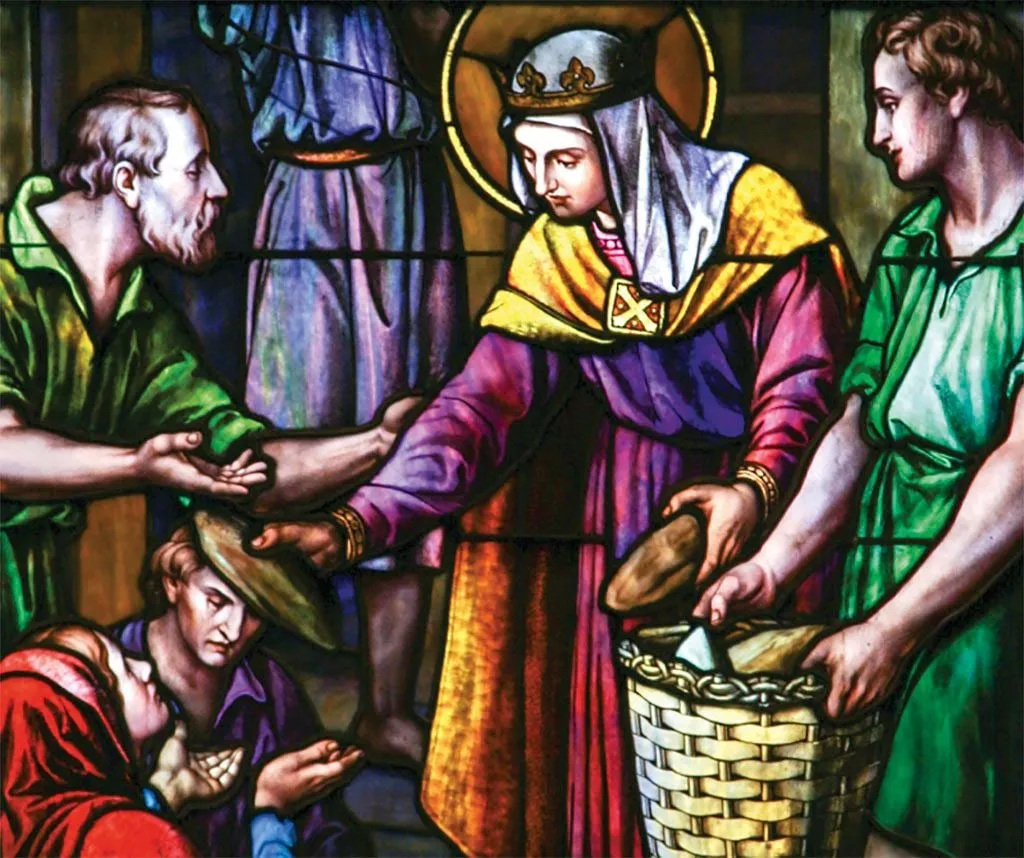
Bishop Turgot’s biography of St. Margaret remains the only contemporary source that provides insight into the life of the saint in the 11th century. But who was Turgot? And what role did he play in both English and Scottish religious history?
Turgot, Queen Margaret of Scotland’s confidant and confessor, had a fascinating and eventful career. His name suggests Scandinavian origins, yet he was likely a nobleman from Lincolnshire. During the Norman Conquest, he was taken hostage but managed to escape by bribing his way onto a ship bound for Norway. There, he became a trusted advisor to King Olaf III, known as Olaf Kyrre (“the Gentle”).
Around 1074, Turgot returned to England as a wealthy man but was shipwrecked and lost everything. He subsequently sought refuge in the monastic life and joined the Benedictine community at Jarrow. His exceptional administrative and leadership abilities soon became evident, and by 1087, he had risen to the position of prior of the re-founded monastery at Durham. This monastery, which had previously housed a more secular community caring for the remains of St. Cuthbert, was now formally under the Rule of St. Benedict.
Turgot remained Prior of Durham until 1107 when he was elected Bishop of St. Andrews in Scotland. His close and cordial relationship with Queen Margaret, whom he served as confessor, likely played a role in his elevation. It was an honor he could not readily refuse, but there may also have been compelling reasons for his departure. In 1109, Ranulf Flambard was consecrated as the new Bishop of Durham, and tensions likely arose between Flambard, the monastic community, and Turgot, who had effectively managed both the monastery and various aspects of the bishopric during the frequent absences of Bishop William de St-Calais.
Turgot’s tenure in Durham was marked by significant achievements. He oversaw the construction of the new cathedral dedicated to St. Cuthbert and played a crucial role in administering both the monastic and ecclesiastical affairs of the diocese. His contributions were so substantial that historian Lionel Green, in his study Building St. Cuthbert’s Shrine: Durham Cathedral and the Life of Prior Turgot, has helped to restore Turgot’s rightful place in history.
Despite his influence and accomplishments, Turgot’s time as Bishop of St. Andrews was short-lived. By 1115, he had resigned, likely due to failing health, and he died soon afterward. However, his legacy endures, not only through his role in shaping the religious landscape of both England and Scotland but also through his invaluable biography of Queen Margaret, which remains a key source of information on one of medieval Scotland’s most revered saints.
Image: St. Margaret of Scotland, stained glass window, St. Patrick’s Basilica, Montreal, Canada.