 Historic Dunfermline
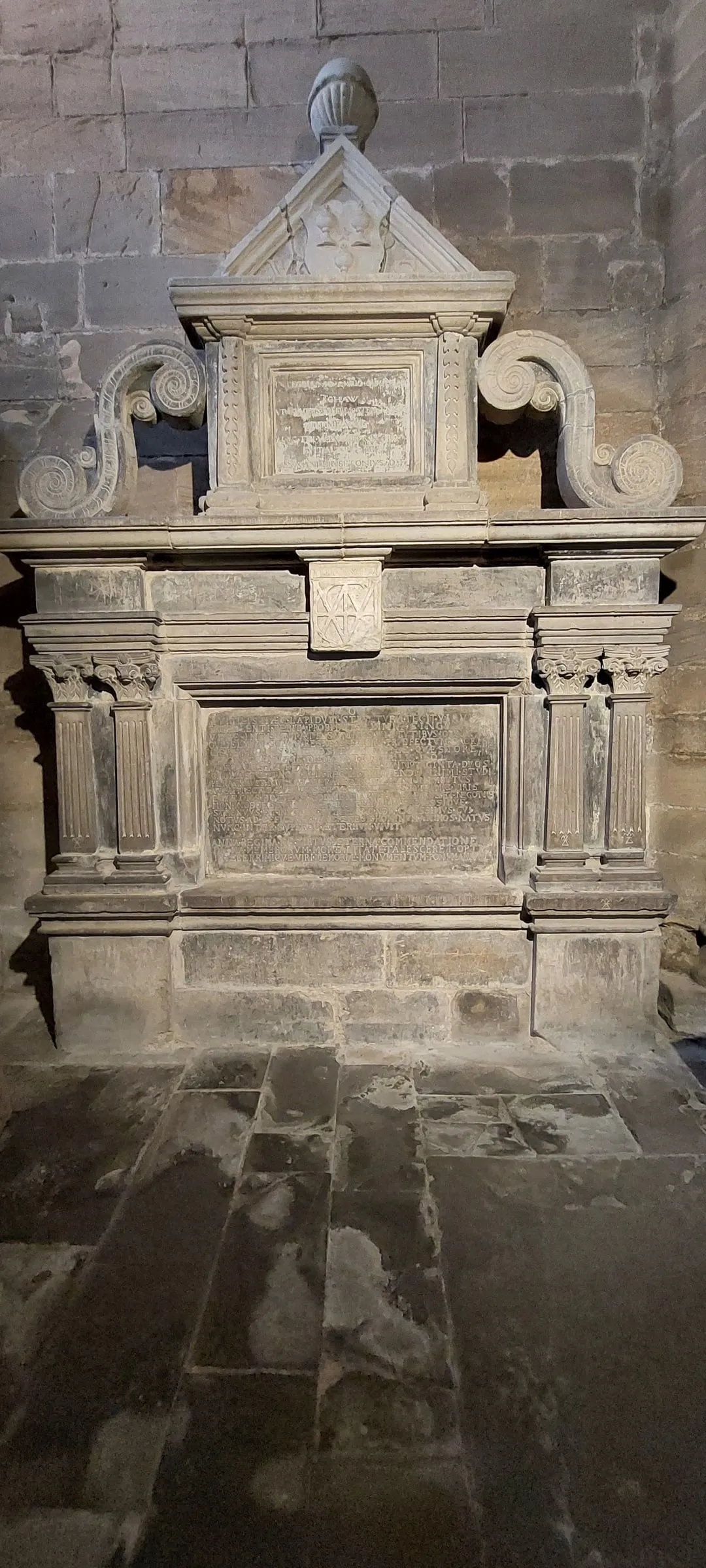
The Schaw Monument in Dunfermline Abbey
The monument to William Schaw, Master of Works, ordered by Queen Anne of Denmark, stands under the north-west tower of Dunfermline Abbey.
84 stories with this tag.
The monument to William Schaw, Master of Works, ordered by Queen Anne of Denmark, stands under the north-west tower of Dunfermline Abbey.
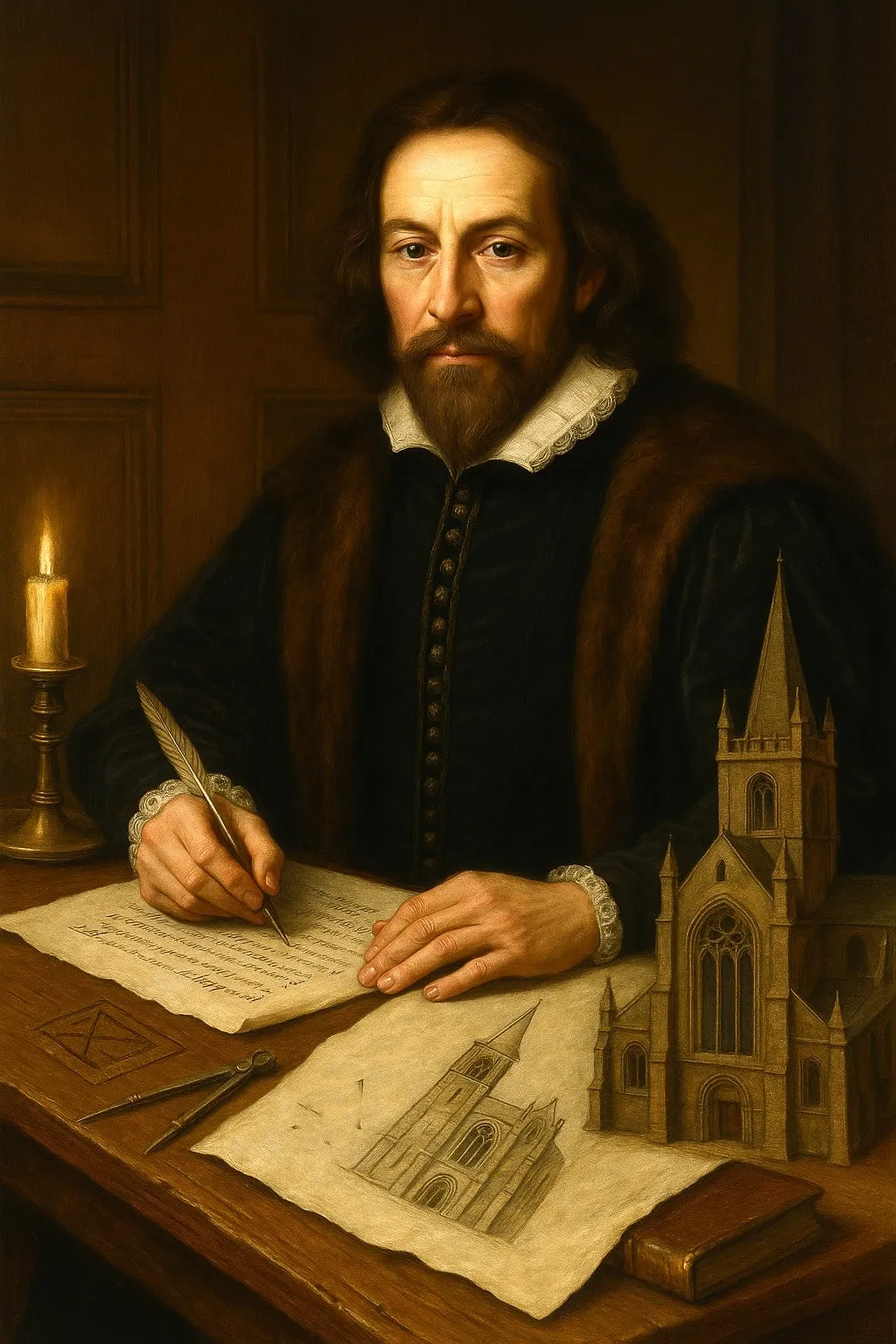
William Schaw, Master of the King’s Works in late 16th-century Scotland, shaped the country’s architecture and Dunfermline’s legacy.
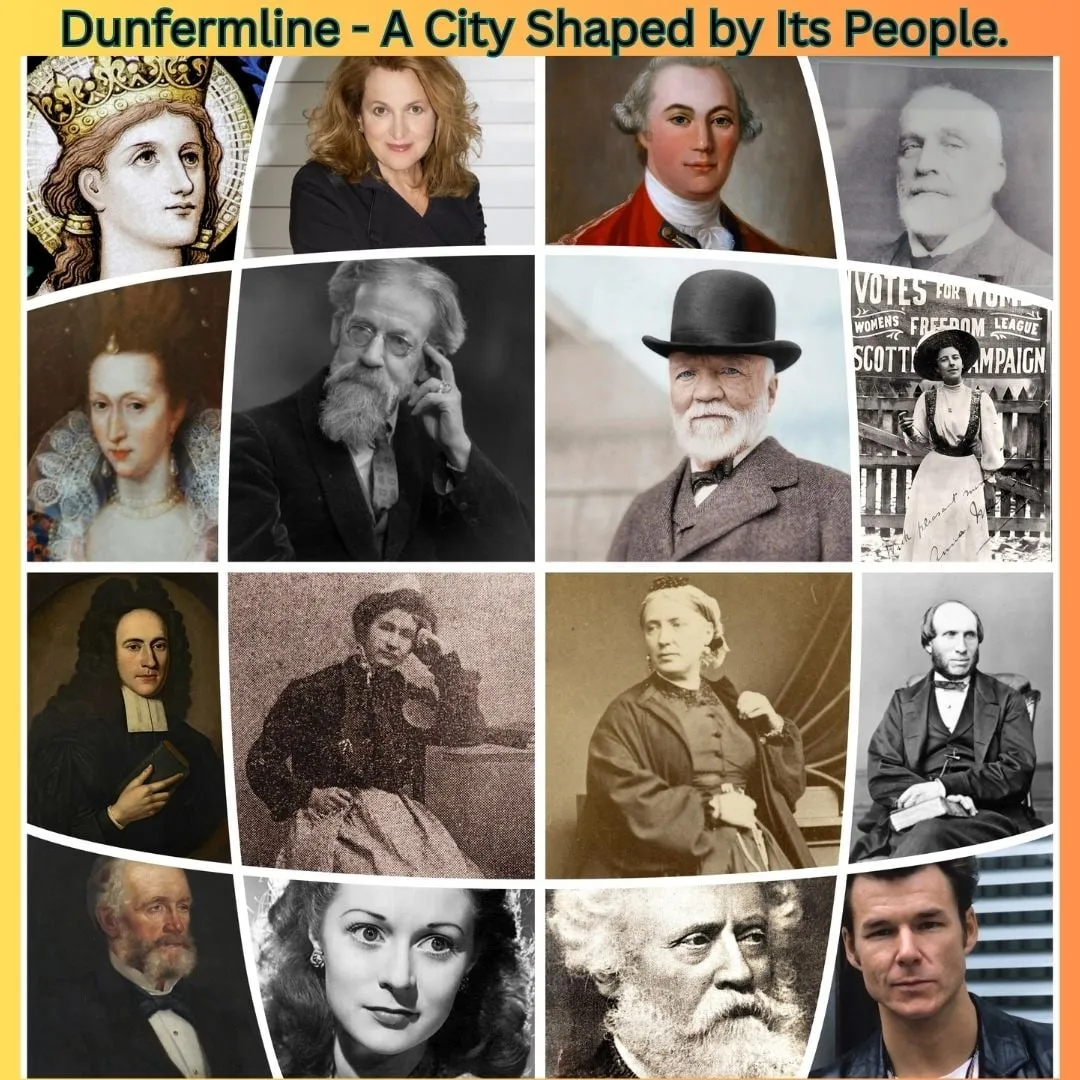
Industrial pioneers, social reformers, artists, architects and royalty: the people whose stories shaped Dunfermline and the nation.
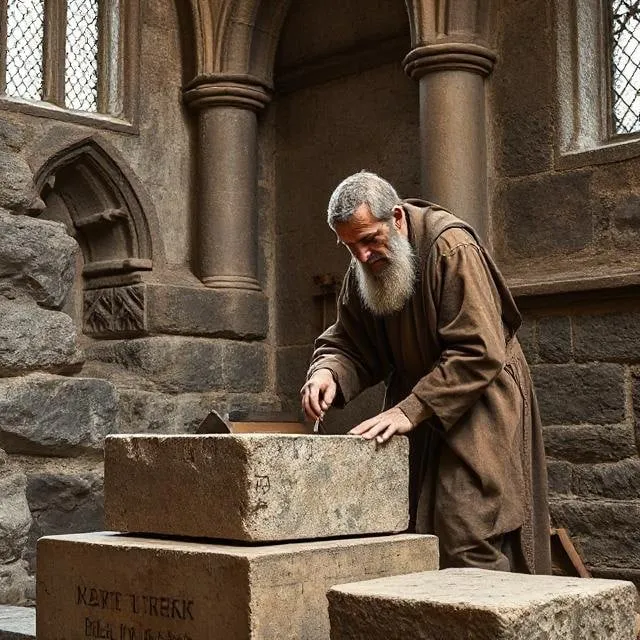
Little is known of the masons who built Dunfermline Abbey, but one name survives in a land grant: Aelric, a Northumbrian mason who probably came from Durham.
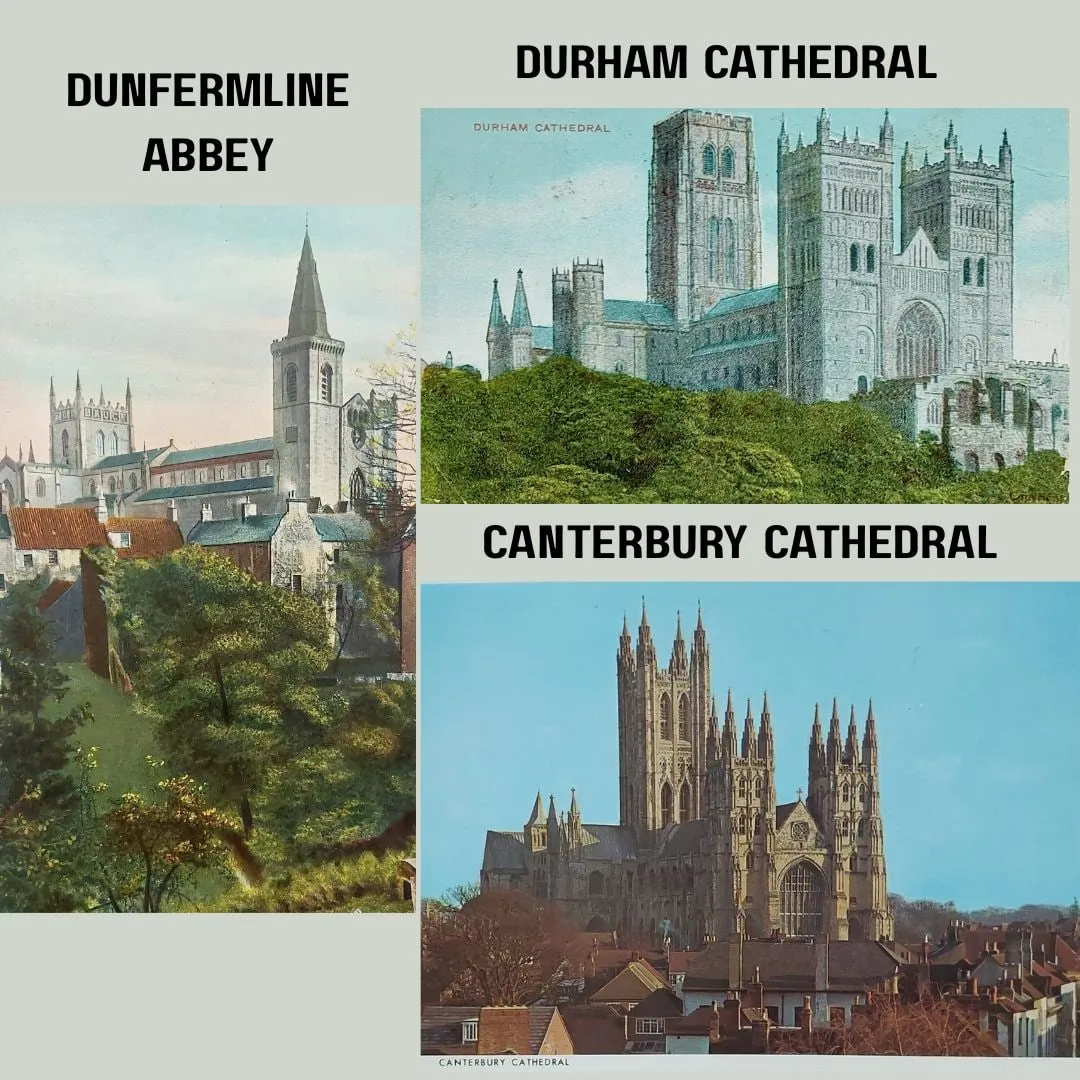
Canterbury Cathedral, Durham Cathedral and Dunfermline Abbey share striking similarities in their architecture, and deep connections in their history and purpose.
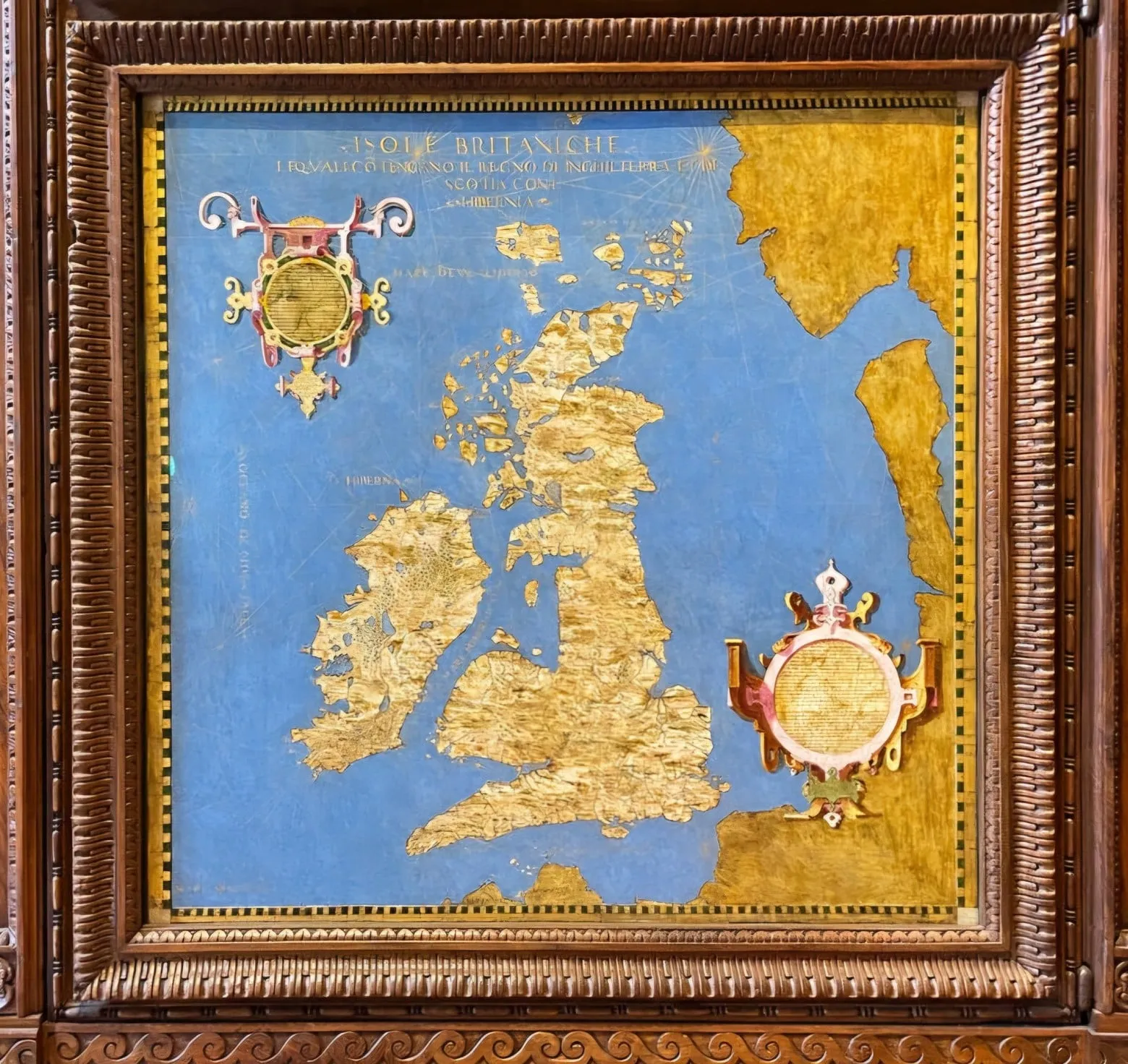
Ignazio Danti’s map of Britain in the Medici Map Room in Florence shows Fife on the medieval pilgrim route to St Margaret’s shrine at Dunfermline and St Andrews.
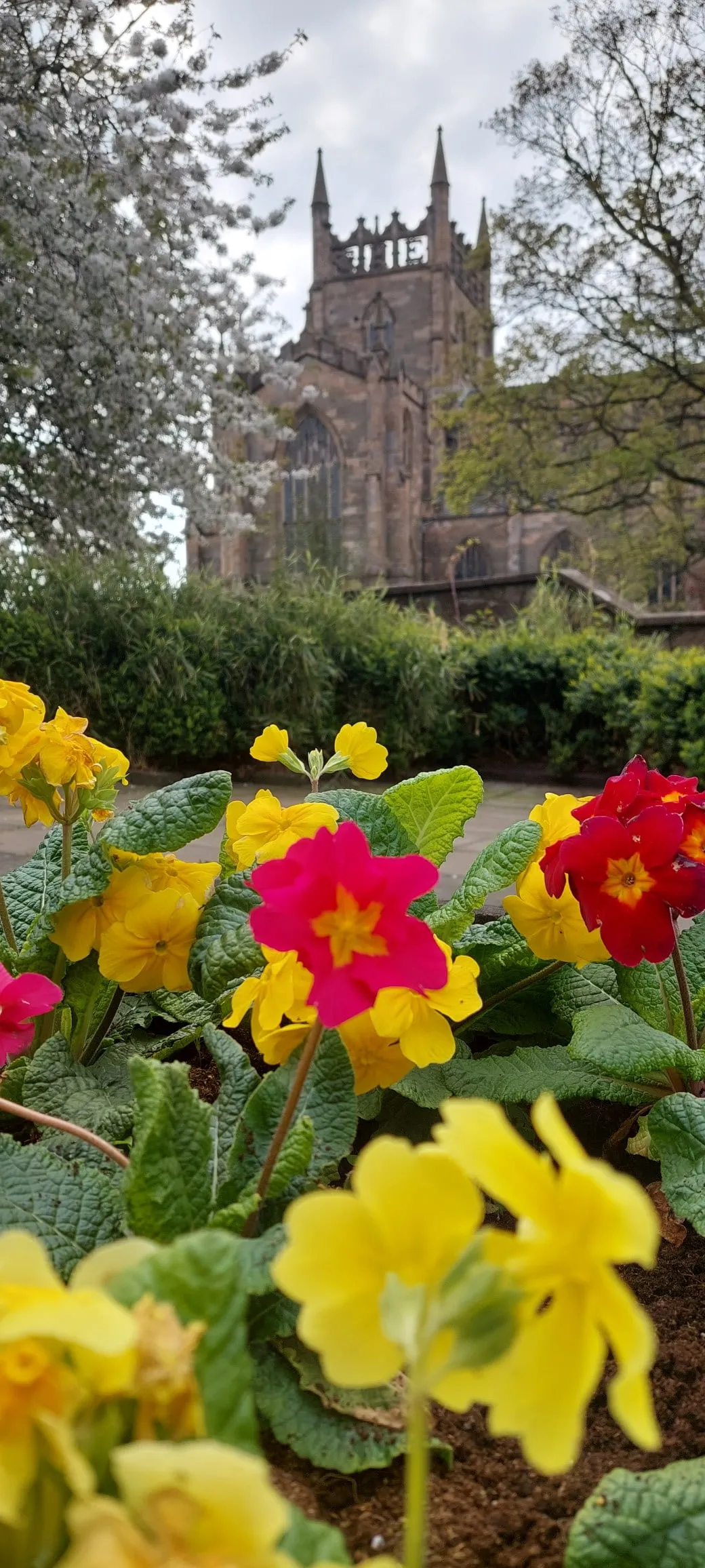
Spring in Dunfermline: primroses by the abbey, cherry blossom in Pittencrieff Park and the Glen turning green.
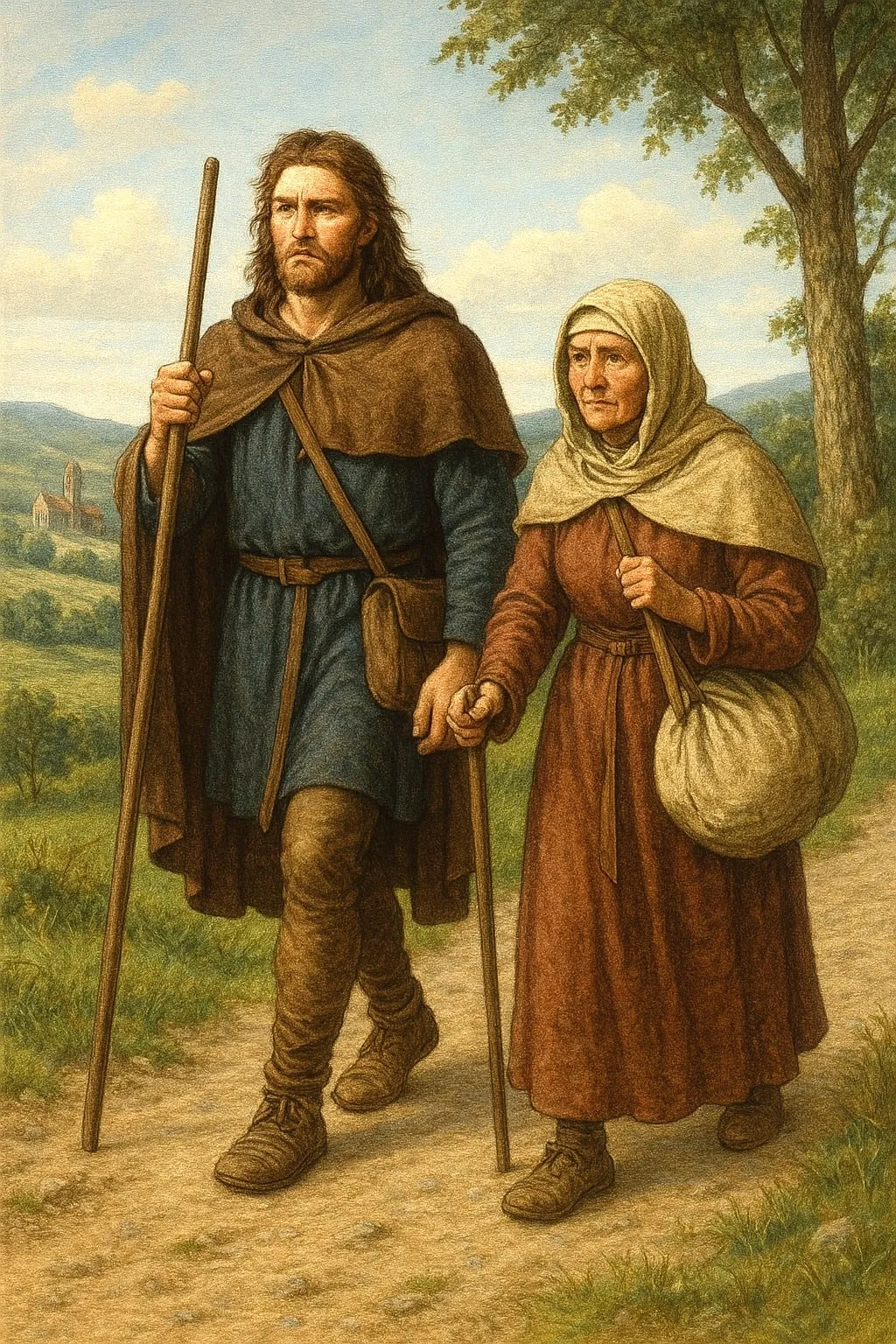
Tradition holds that Margaret Crawford, mother of Sir William Wallace, lies buried in Dunfermline Abbey churchyard. The story behind the legend.
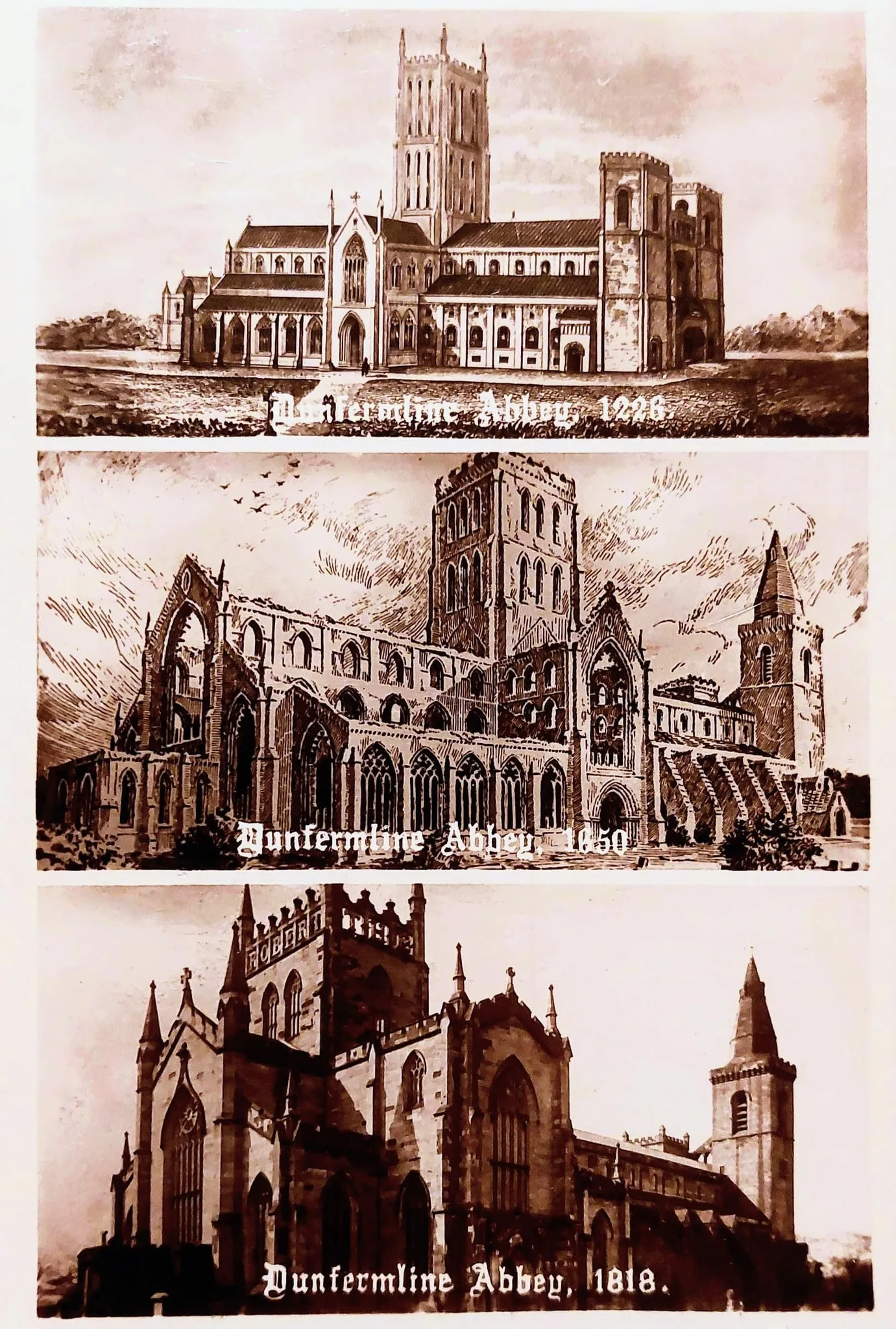
Dunfermline Abbey is a key part of Scotland’s royal and church history, and a symbol of faith, tradition and resilience for the town.
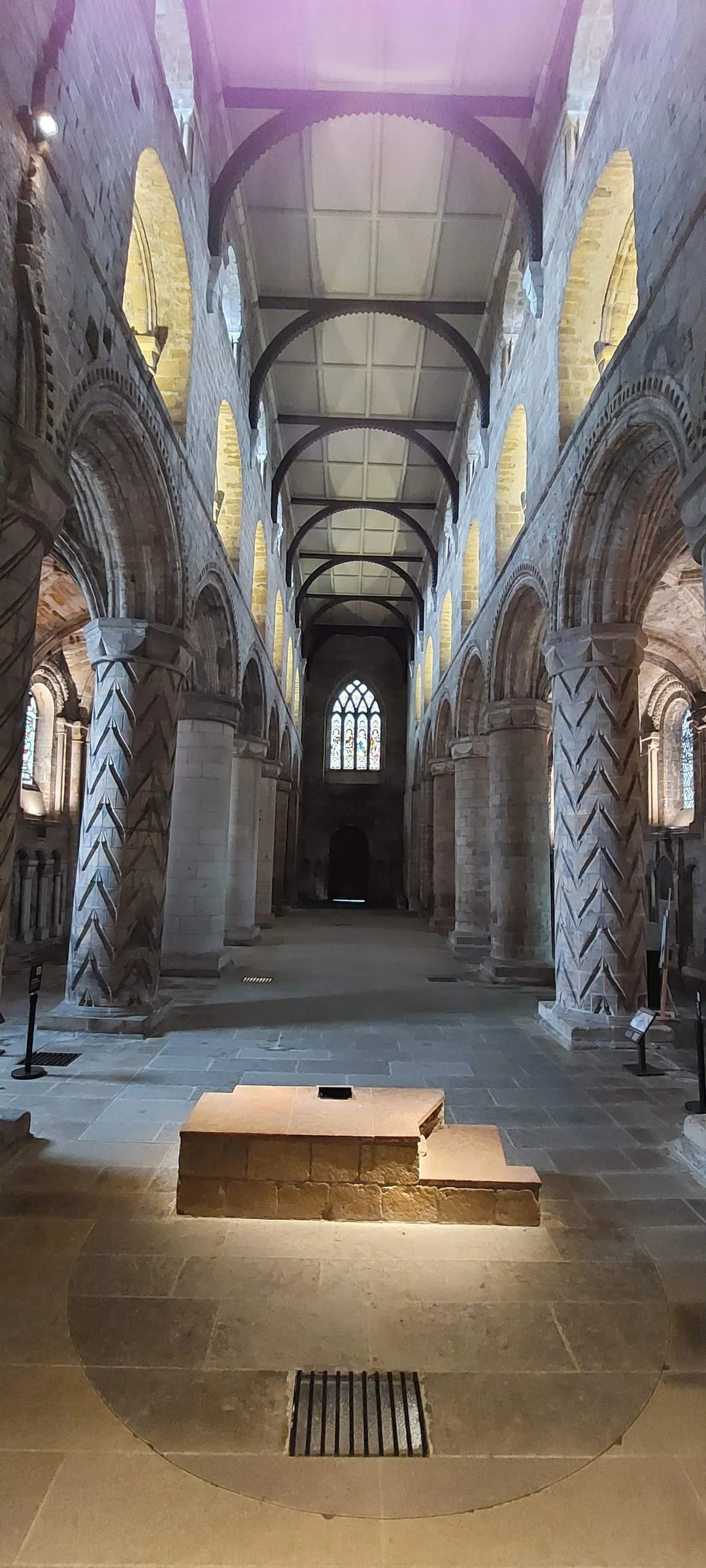
Dunfermline Abbey holds the remains of eight kings, five queens, six princes and two princesses of Scotland, though their tombs have long since gone.
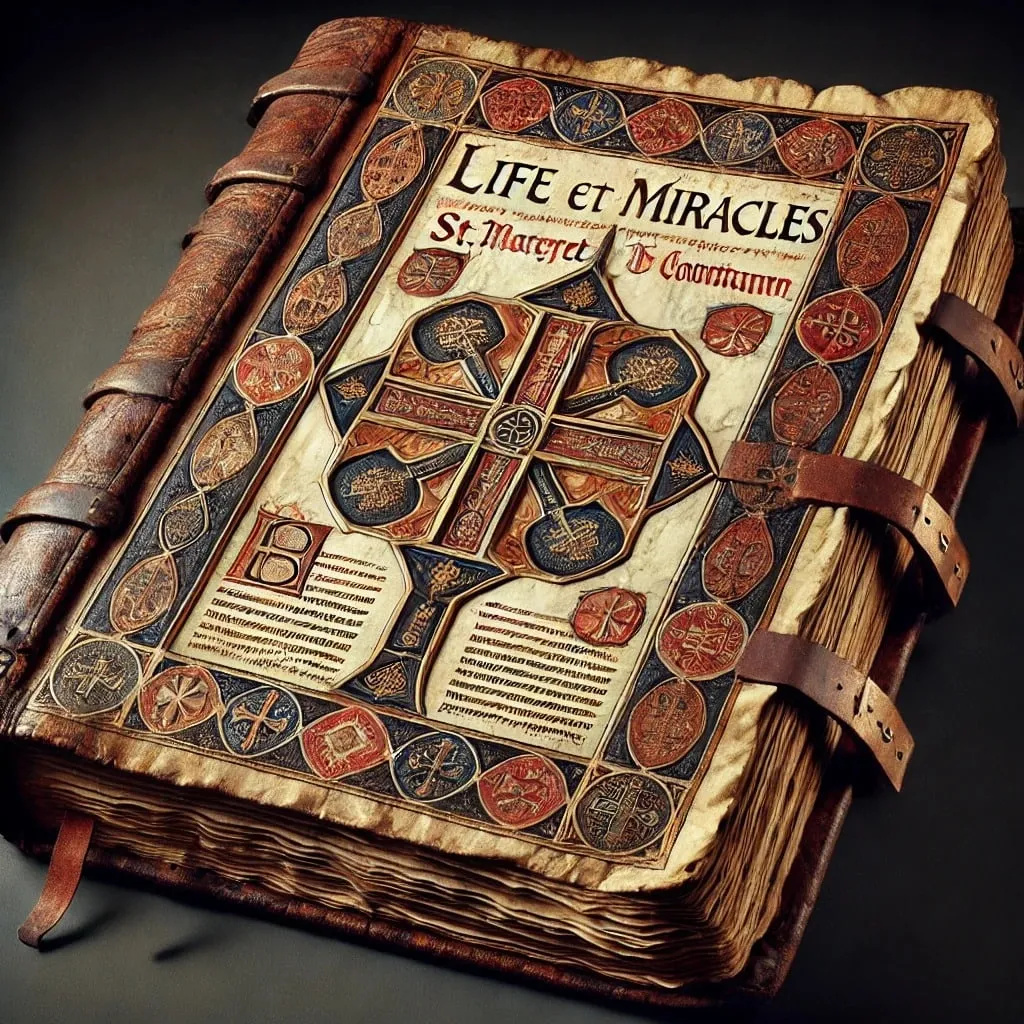
A medieval manuscript copied at Dunfermline Abbey, now in the Royal Library in Madrid, records the life and miracles of St Margaret of Scotland.
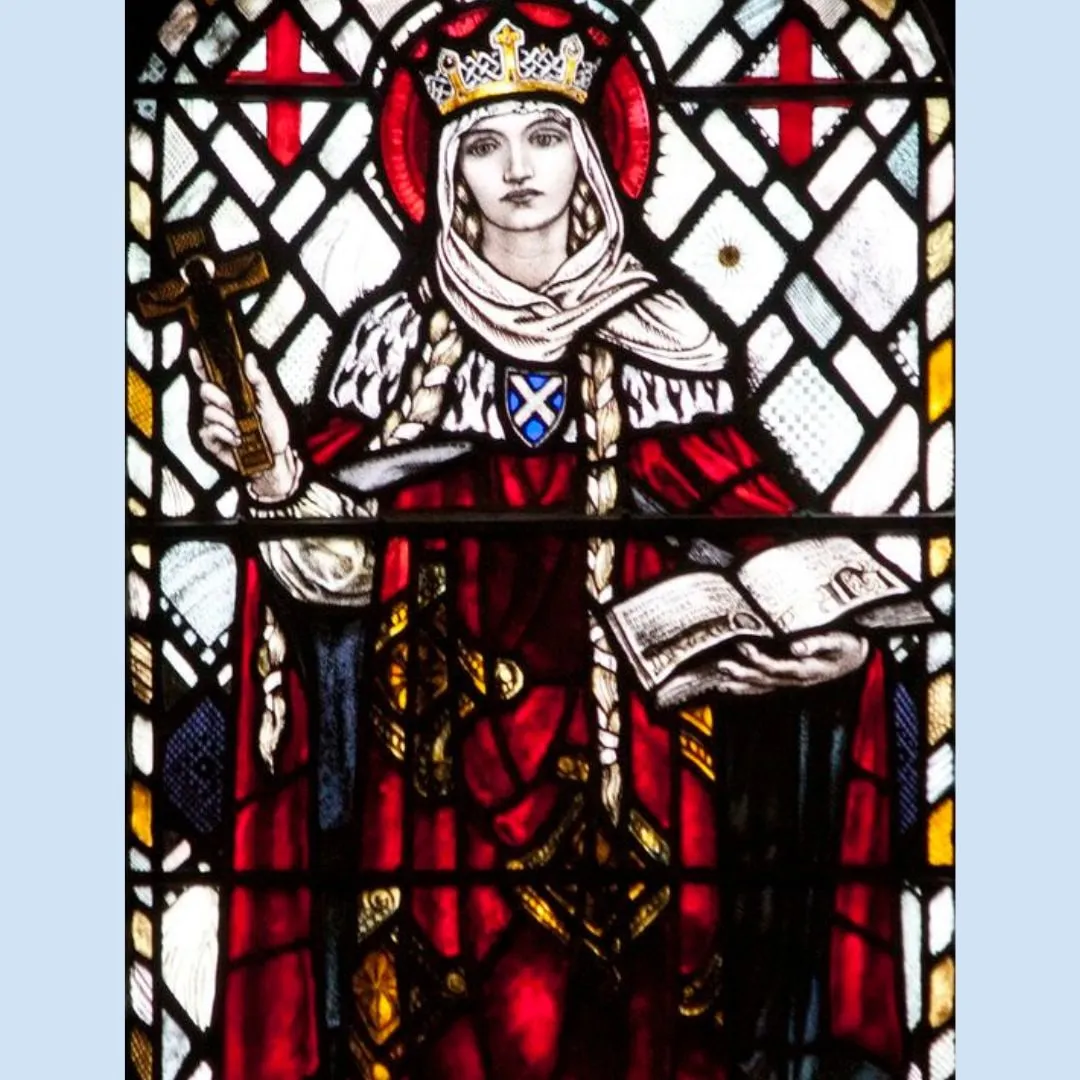
St Margaret was venerated for miracles said to have happened in her lifetime and after her death, and for the grace of her life.