Historic Dunfermline
The Story of William Wallace’s Mother in Dunfermline
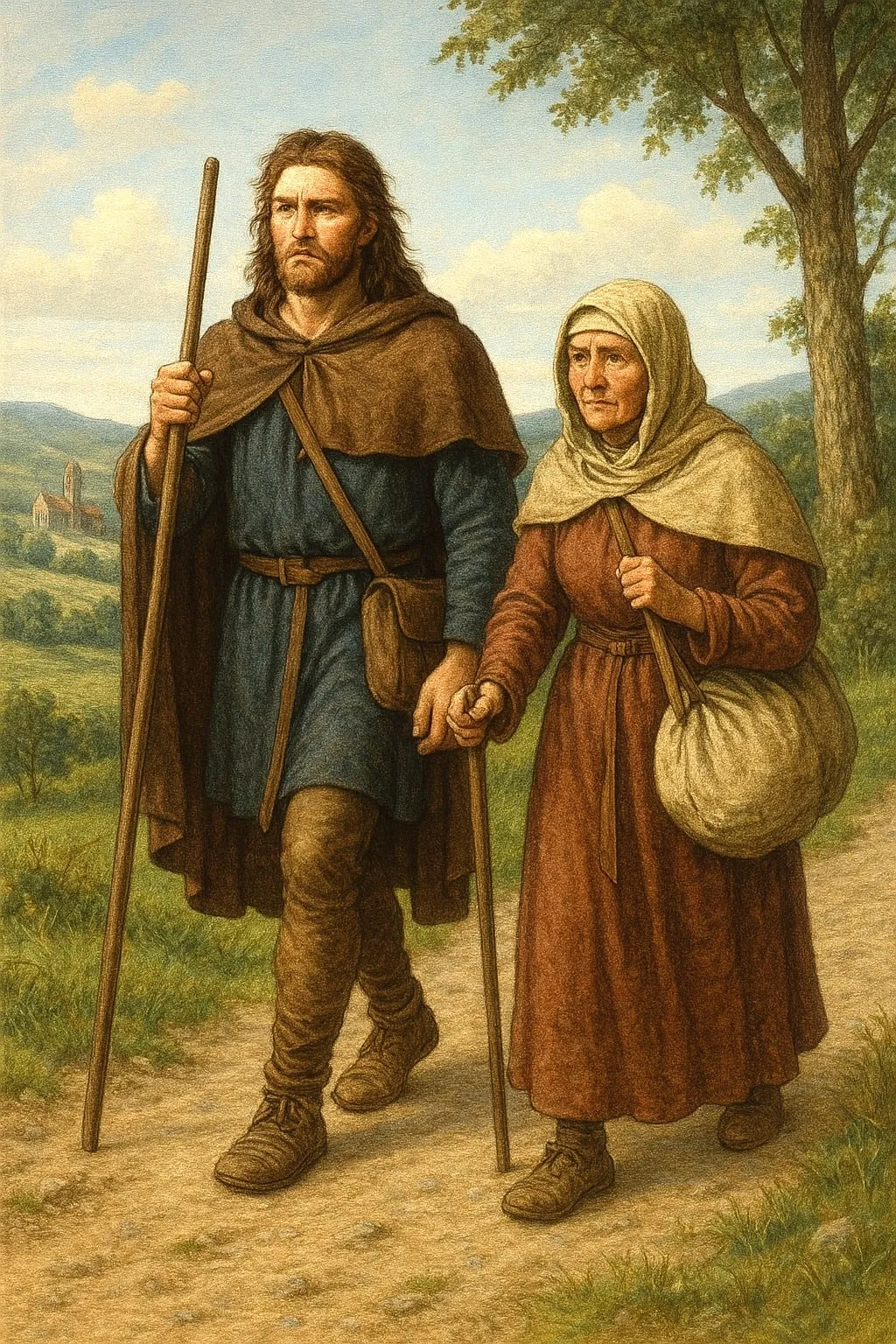
Dunfermline, one of Scotland’s most historic cities, is rich in heritage and tradition. Among its many legends is the story of Margaret Crawford (spelling may vary), mother of Sir William Wallace, whose name is forever linked with the Scottish struggle for independence.
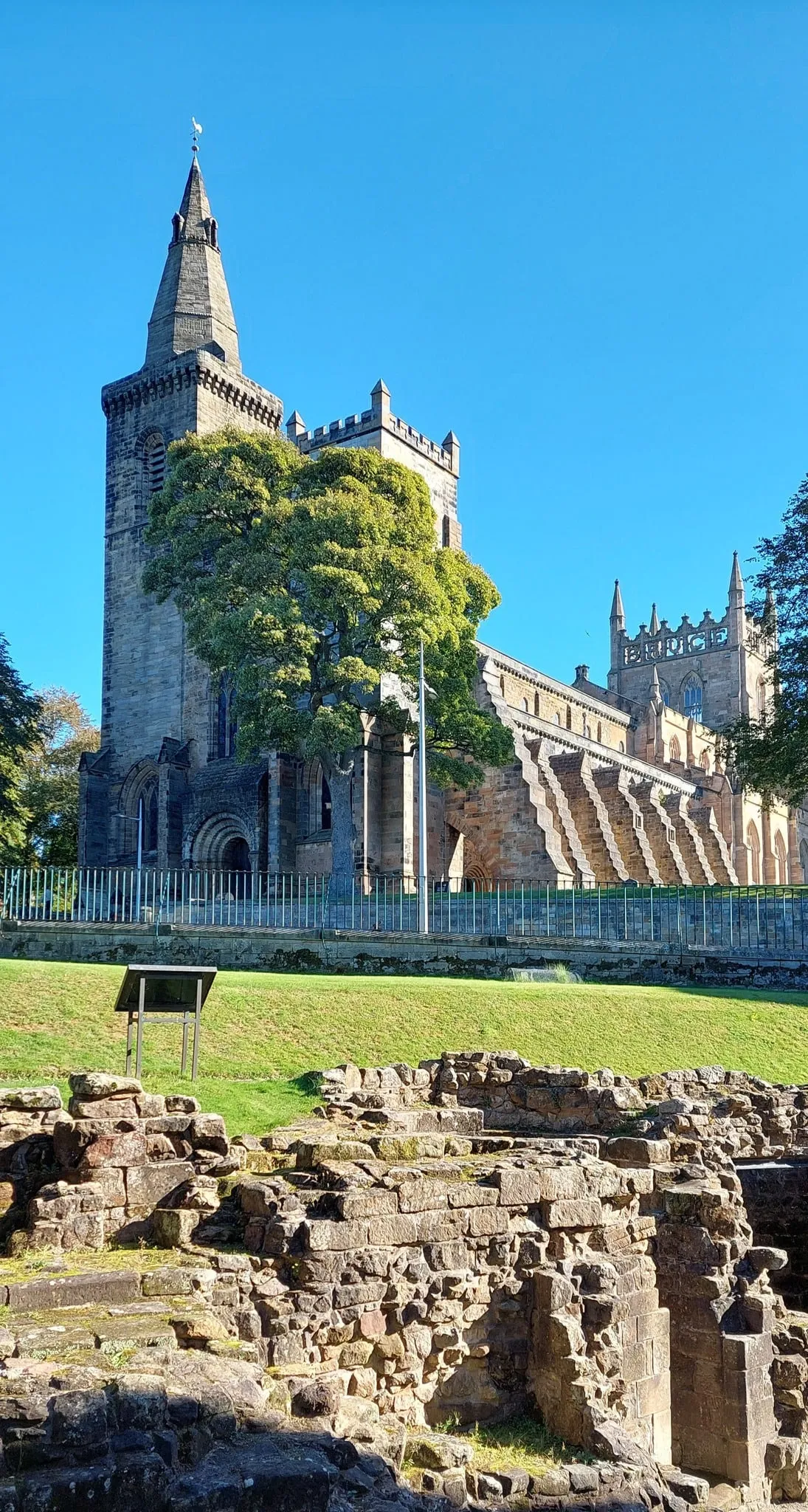
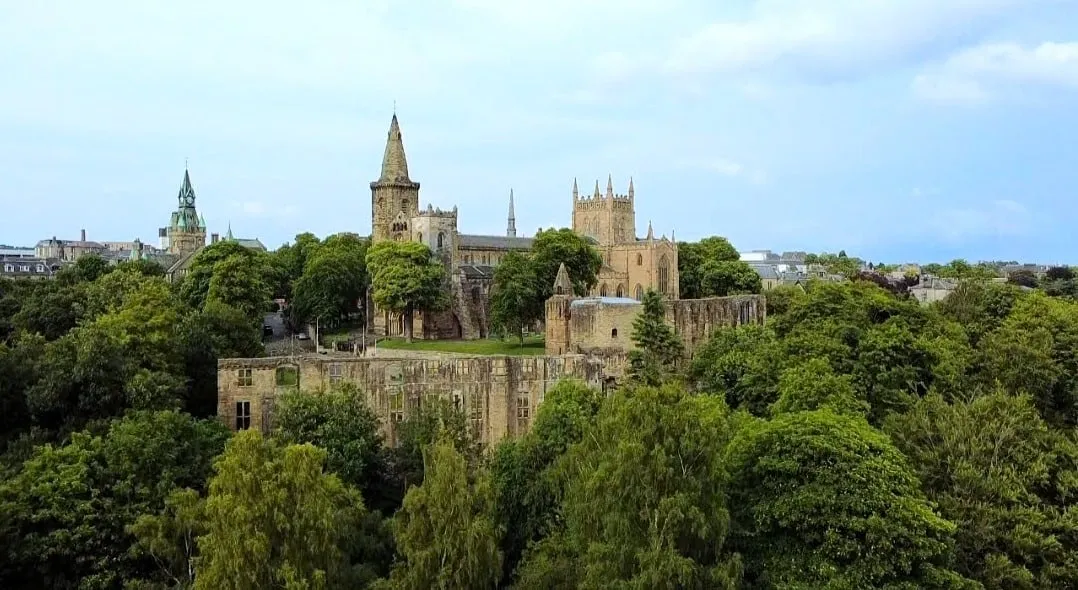
According to long-standing tradition, Margaret’s final resting place lies within the grounds of Dunfermline Abbey.
Many historical accounts give Margaret a central role in Wallace’s life, portraying her not just as a mother but as a spiritual anchor and inspiration. Evidence suggests the two were deeply bonded. Wallace is said to have carried a missal—an illuminated religious book—given to him by his mother during childhood. Remarkably, it may have been the very same book he was witnessed reading from at his execution at Smithfield in 1305.
Margaret is commonly believed to have been the daughter of Sir Reginald “Craufurd”, the Sheriff of Ayr. Her family connections extended through central Scotland; her brother is thought to have been a priest in Dunipace near Stirling, and she may have spent time at Kilspindie Castle in the Carse of Gowrie, near Dundee. Some oral tradition in Dunfermline suggests Margaret may have originated from nearby, possibly from the area of Townhill.
In 1303, Wallace and his mother are said to have travelled together from Dundee to Dunfermline, possibly under the pretext of visiting the shrine of Saint Margaret at Dunfermline Abbey. By then, Wallace had been declared an outlaw by the English crown, and tensions were high. The precise reason for their journey is unclear—some sources suggest Wallace was fleeing a conflict in Dundee, while others believe he was preparing to unite with his forces near Dunfermline.
It was during this visit that Margaret Crawford reportedly became unwell and died. While the historical record is sparse, local tradition has long held that she was buried in the grounds of Dunfermline Abbey. Some believe she was hastily laid to rest near the site known as the “Weeping Cross,” where penitents once prayed-the burial place for paupers and strangers; while others suggest she was buried inside the Abbey Church itself because of her status and relation to William Wallace and Dunfermline.
Though the exact location remains unknown, several early accounts mention her burial at Dunfermline, and the belief remains strong in the local community.
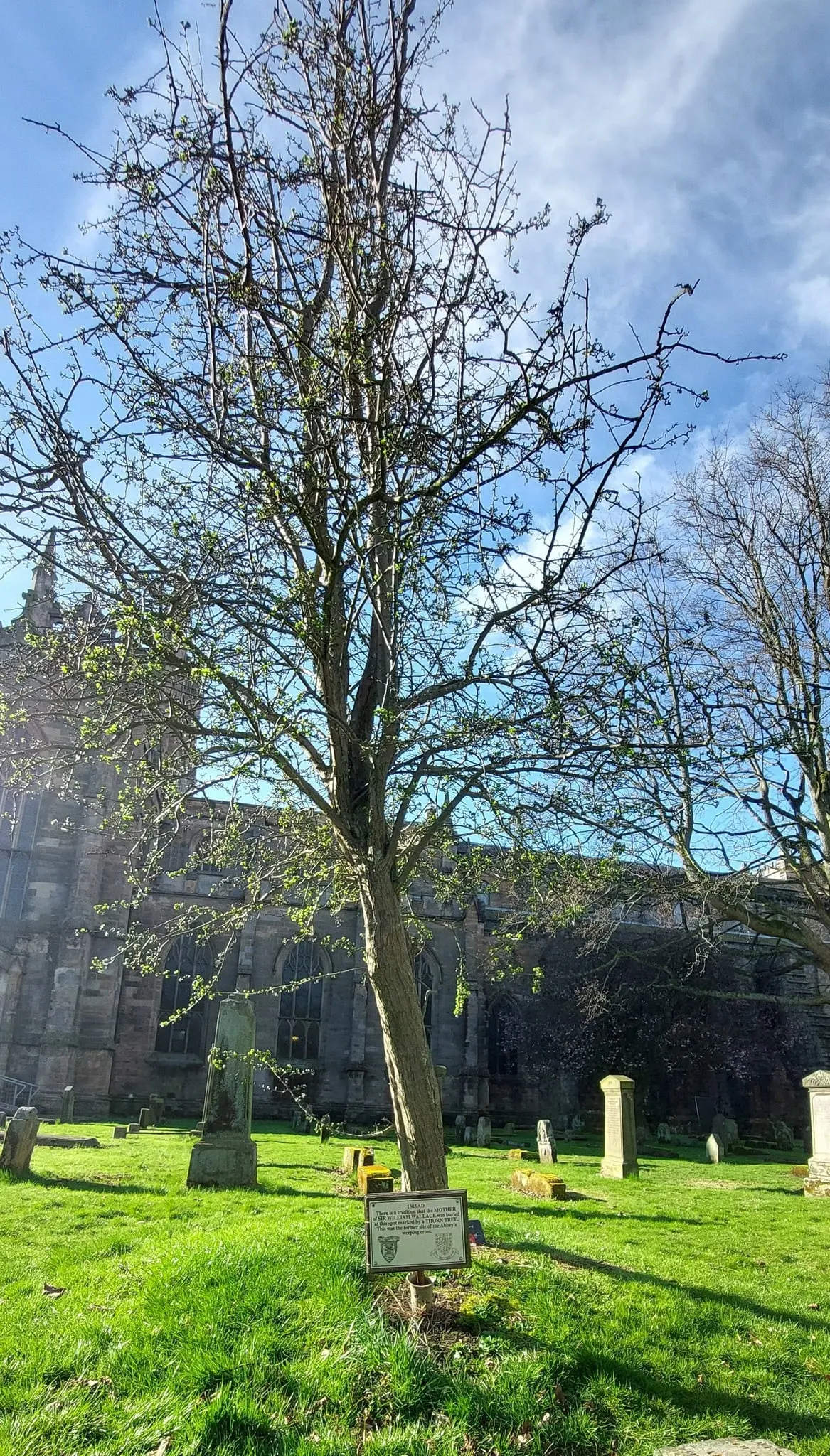
One popular tradition says that Wallace, unable to erect a proper monument due to his status as a fugitive, marked the grave with a thorn tree. Over time, the tree became a recognisable symbol of remembrance. During later excavations near the site, the base of an old stone cross was discovered, indicating there may once have been a formal marker in the area. After the Reformation, many religious symbols—including crosses—were removed or destroyed, and trees were sometimes planted in their place. The thorn tree at Dunfermline is thought to have served this role. The original tree reportedly grew to a large size before being blown down in a storm in 1784. A new tree was planted from a branch of the original, continuing the tradition, but sadly, it also didn’t live to modern day. It was replaced again with a new growth.
King Edward I, while wintering in Dunfermline in 1304, may have learned of Margaret’s burial and reacted by ordering parts of the Abbey to be damaged or destroyed. Though not confirmed by contemporary records, it reflects the high tensions of the period.
Further mystery surrounds the site. A key figure during this period was also John Blair, a monk of Dunfermline Abbey and a close companion of Wallace. Blair was not only a chronicler and healer, but a devoted friend and patriot who shared Wallace’s vision for Scotland’s freedom. One final, haunting tradition claims that after Wallace’s execution, John Blair recovered his mutilated remains and buried them in Dunfermline beside his mother. Though this tale lacks documentary proof, it endures in the local imagination—a powerful tribute to loyalty and love.
Today, the story of Margaret Crawford remains an important part of Dunfermline’s local heritage. Whether she lies beneath the Abbey’s ancient stones or near the site of the former Weeping Cross, many people still honour her memory. Her story remains an important part of Dunfermline’s rich history and Scotland’s national heritage.
Image: AI-generated, based on the description of original historic figures.
Photographs