 Historic Dunfermline
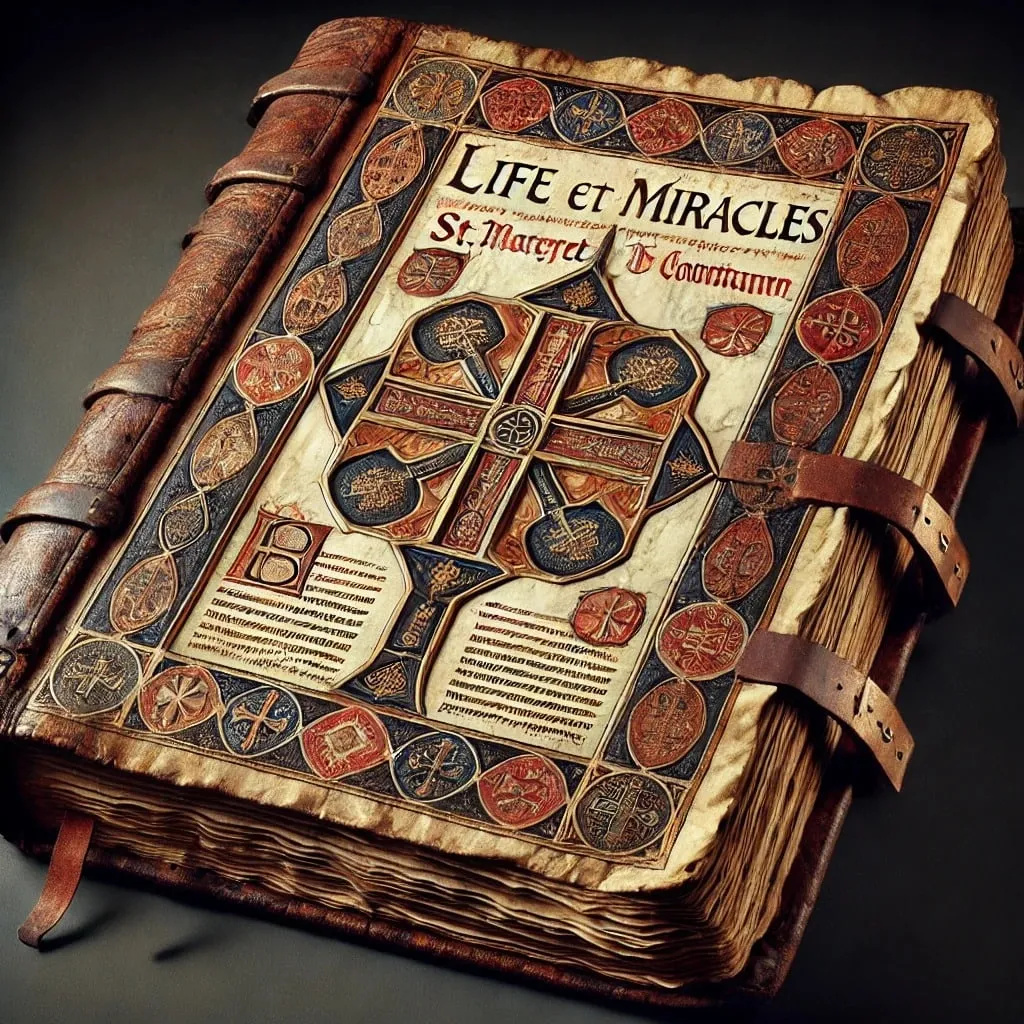
The Dunfermline Vita et Miracula: Life and Miracles of St Margaret
A medieval manuscript copied at Dunfermline Abbey, now in the Royal Library in Madrid, records the life and miracles of St Margaret of Scotland.
86 so far, newest first.
A medieval manuscript copied at Dunfermline Abbey, now in the Royal Library in Madrid, records the life and miracles of St Margaret of Scotland.
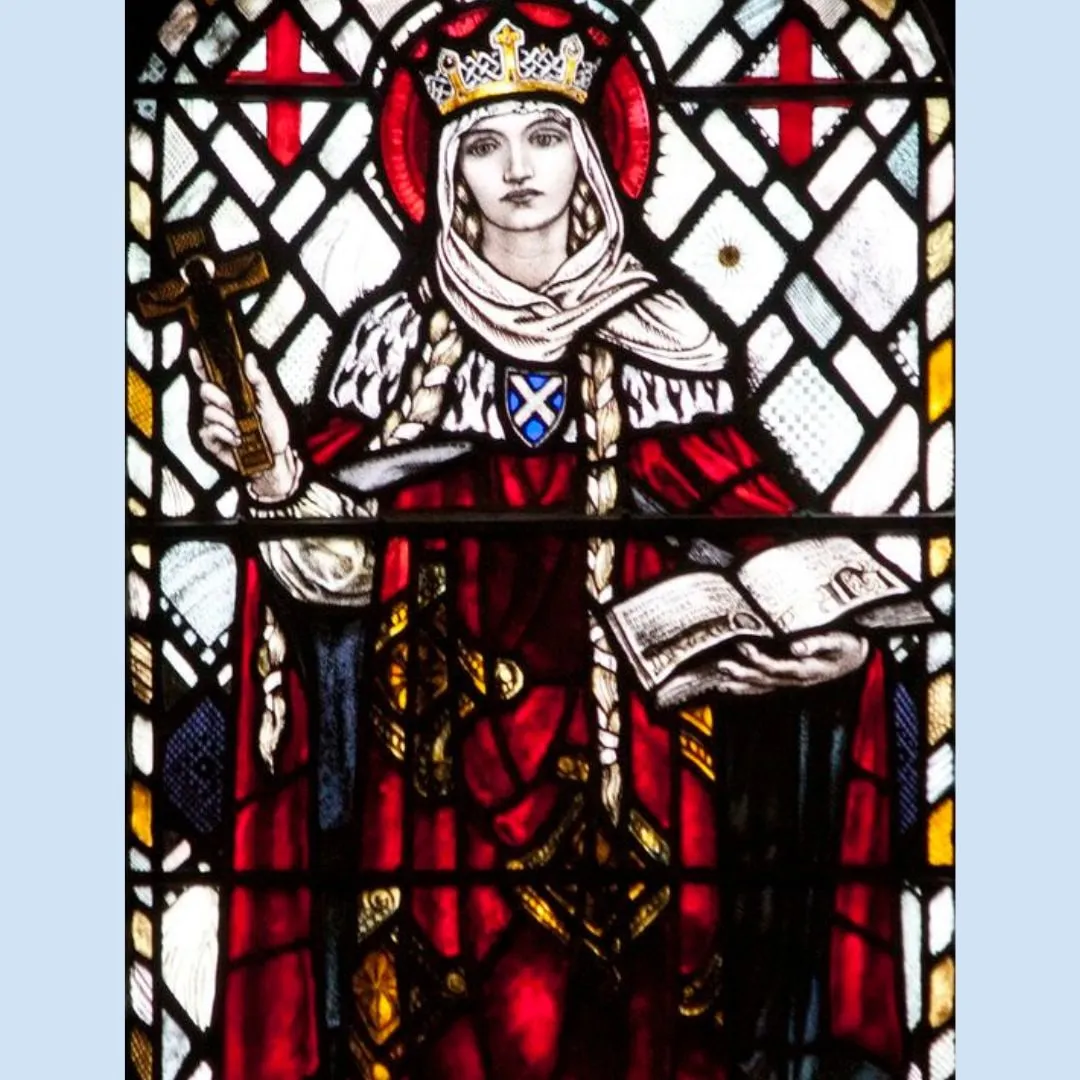
St Margaret was venerated for miracles said to have happened in her lifetime and after her death, and for the grace of her life.
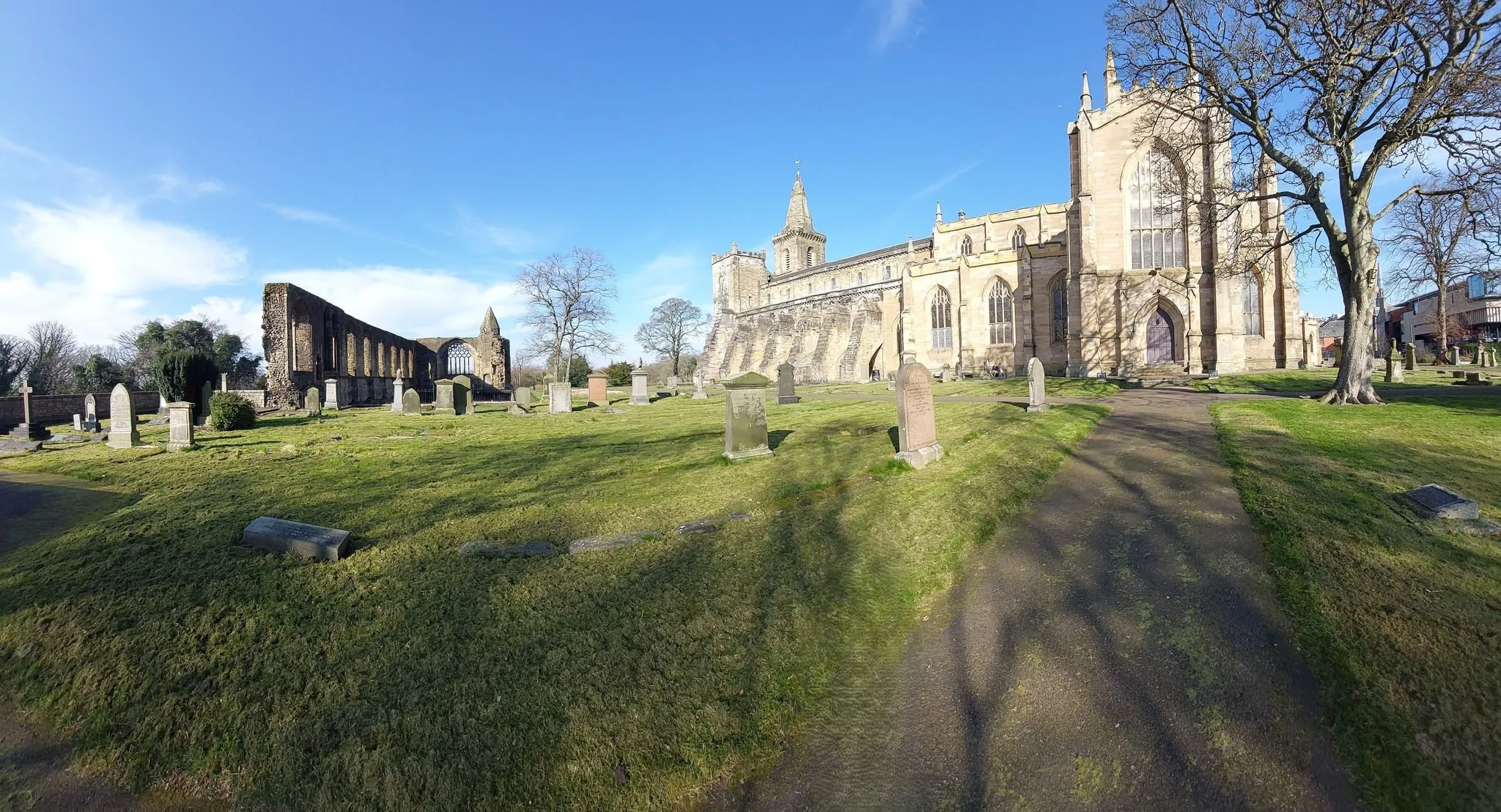
Dunfermline Abbey and the palace ruins under a clear blue sky.
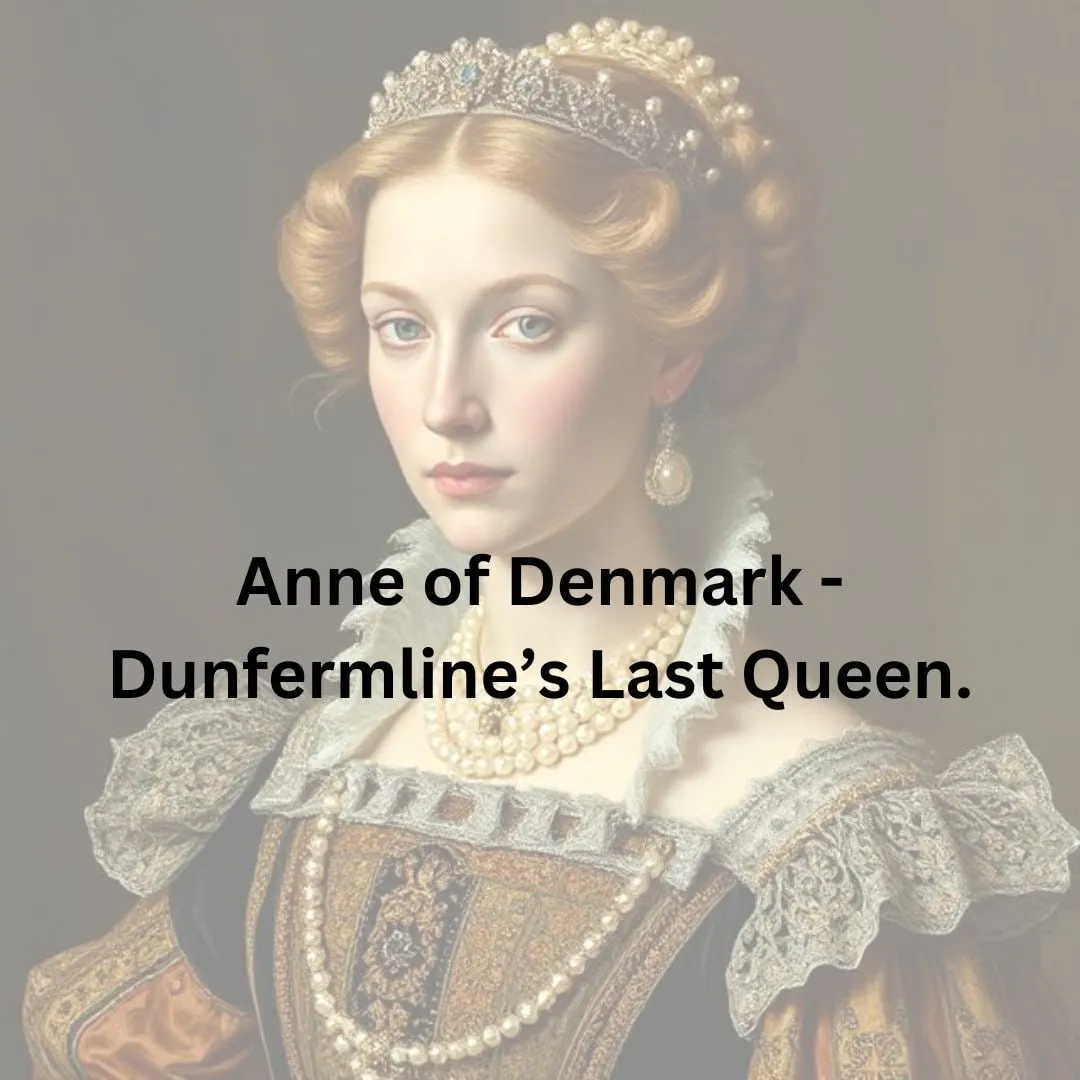
Anne of Denmark married James VI in 1589 at the age of 14. The day after their wedding he gave her a royal house in Dunfermline. The story of Dunfermline’s last queen.
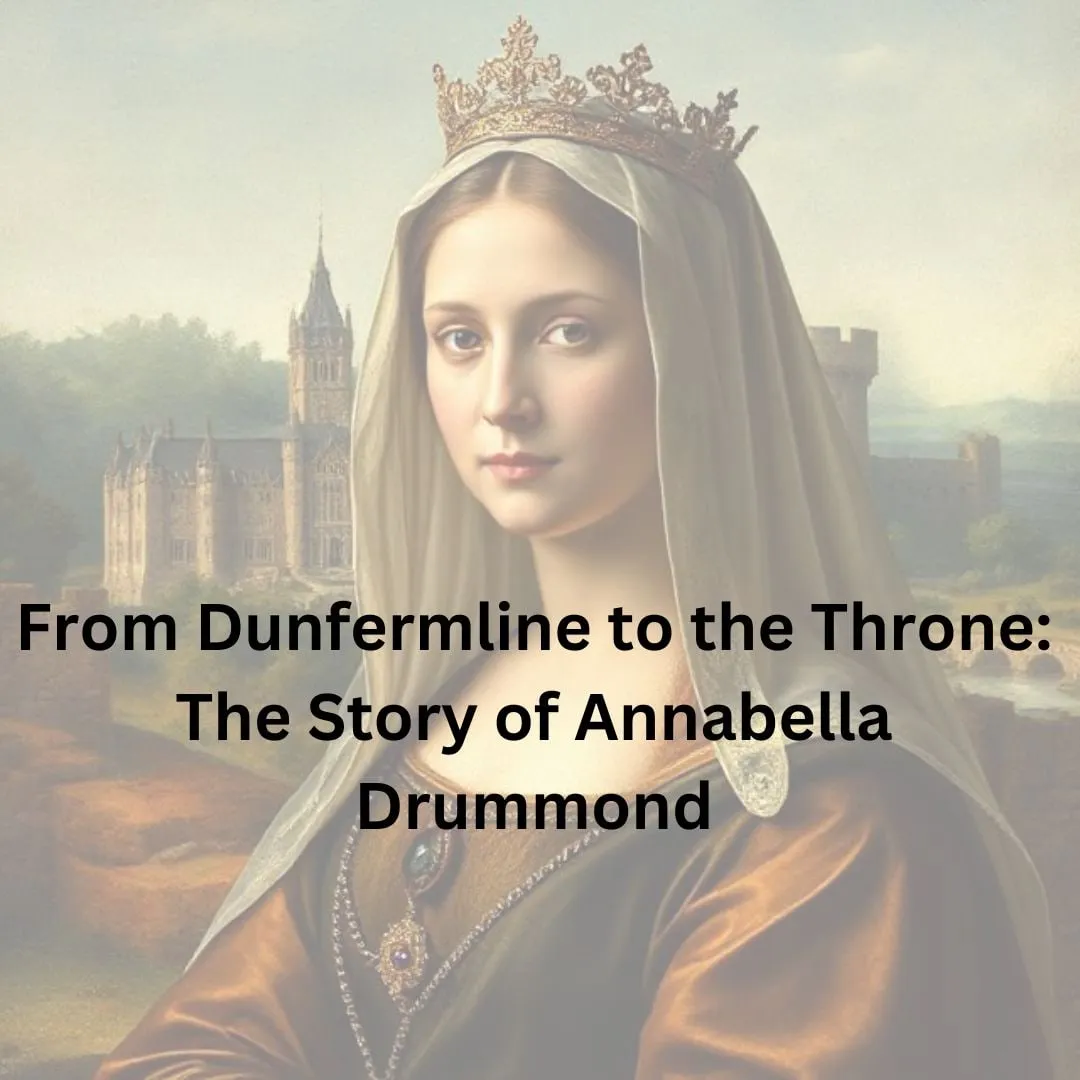
Annabella Drummond (c. 1350–1401), believed to have been born at Dunfermline Abbey, became Queen of Scotland as the wife of Robert III.
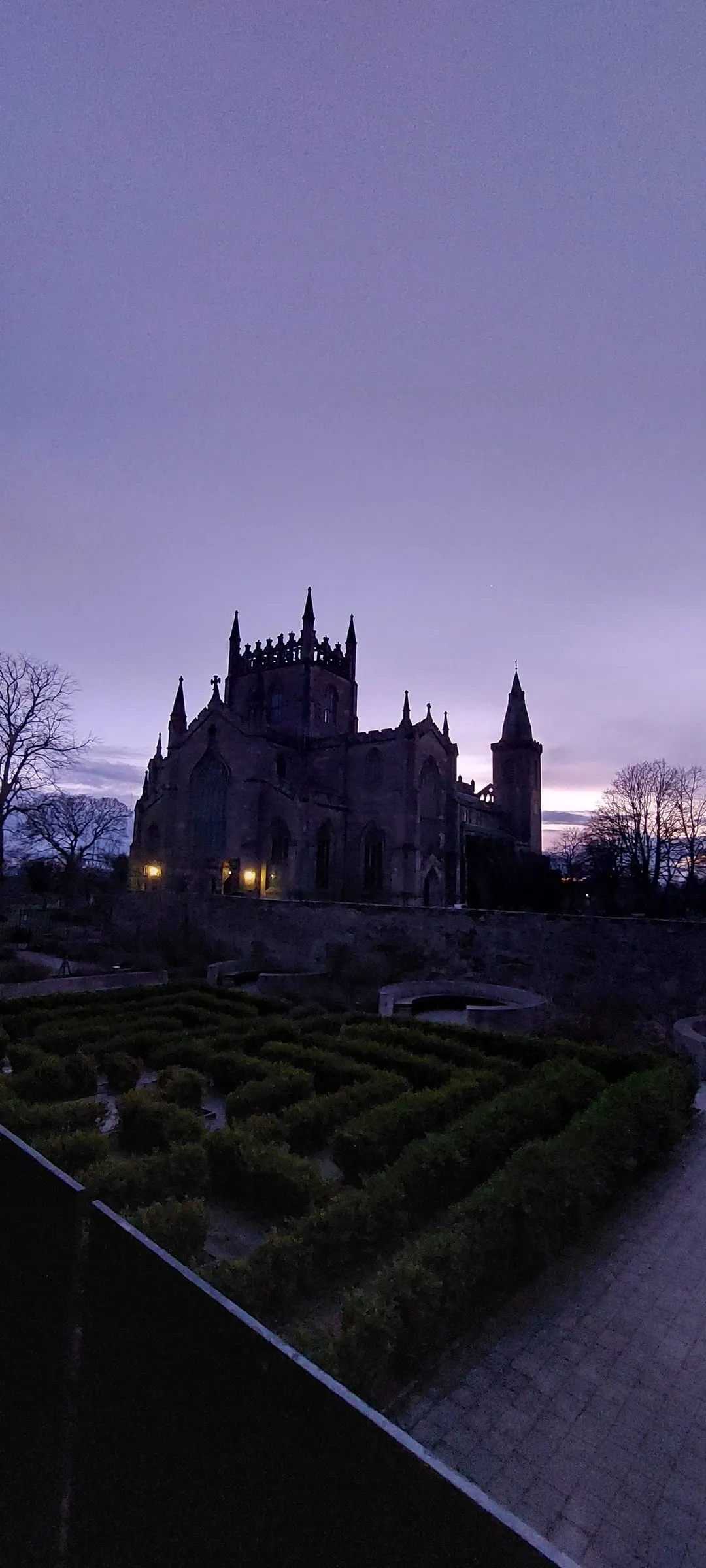
Dunfermline Abbey silhouetted against a purple evening sky.
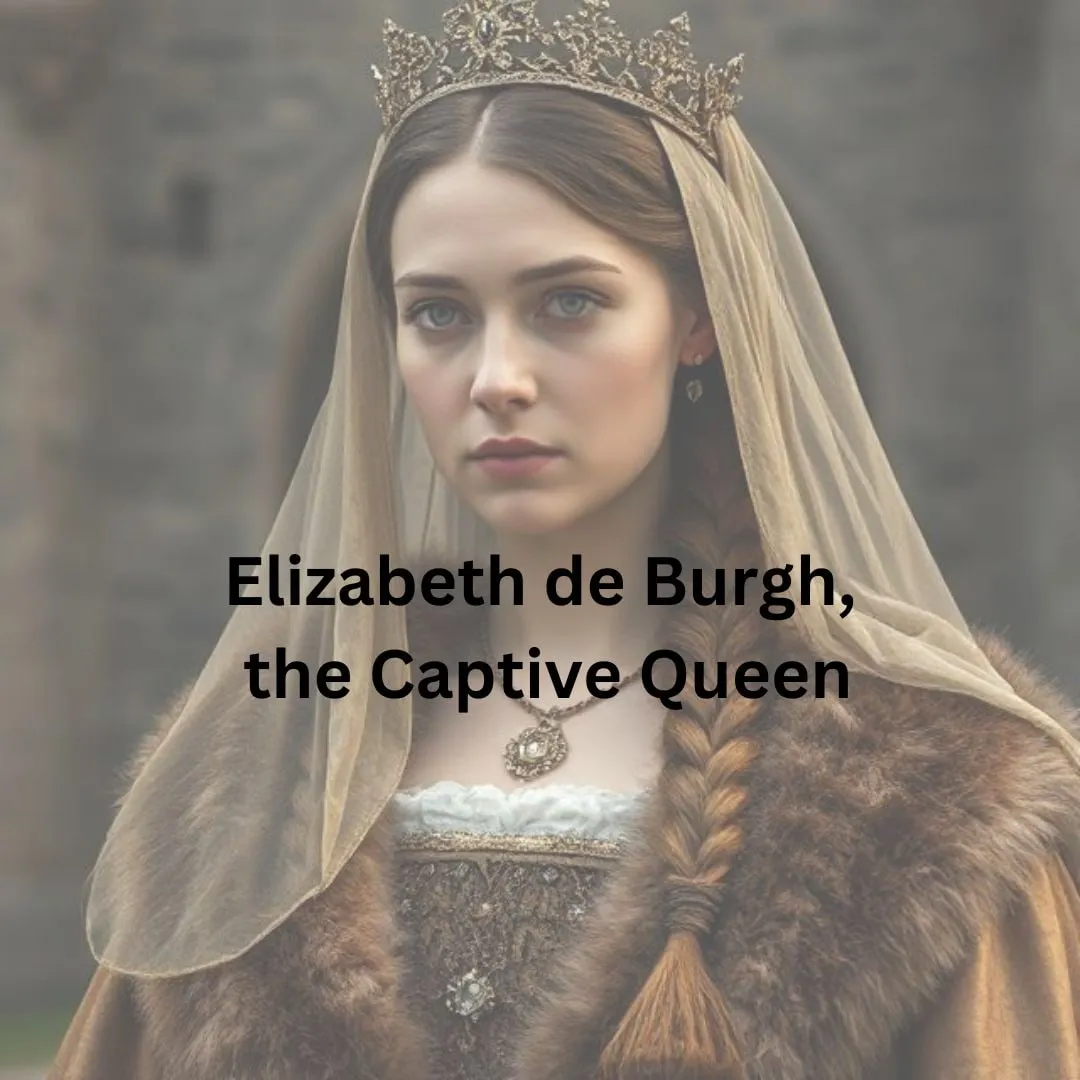
Elizabeth de Burgh, born around 1289 and a goddaughter of Edward I, married Robert the Bruce in 1302 and became his queen.
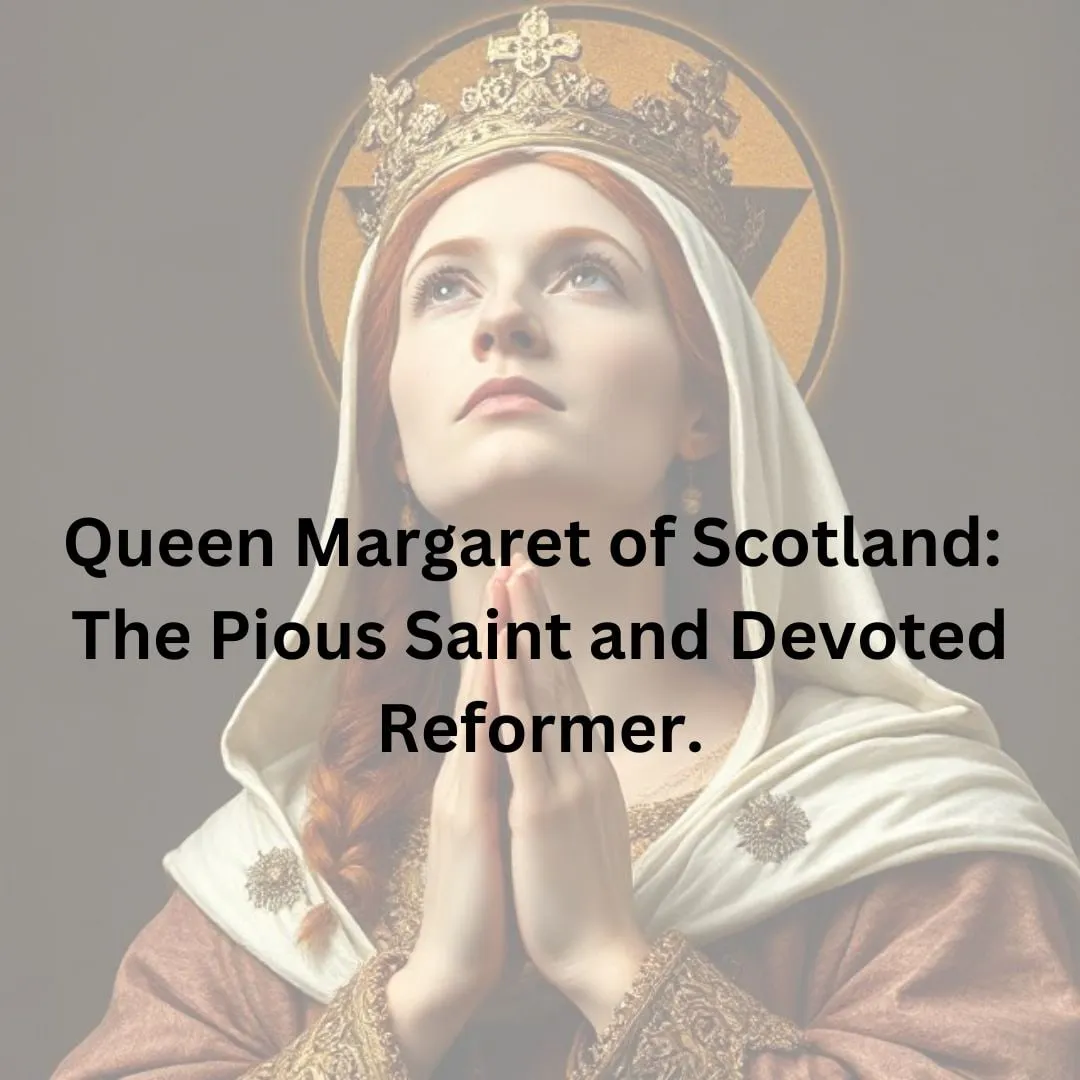
After the Norman Conquest, Margaret’s family fled England. A storm drove their ships into the Firth of Forth, where King Malcolm welcomed them. The story of Scotland’s saintly queen.
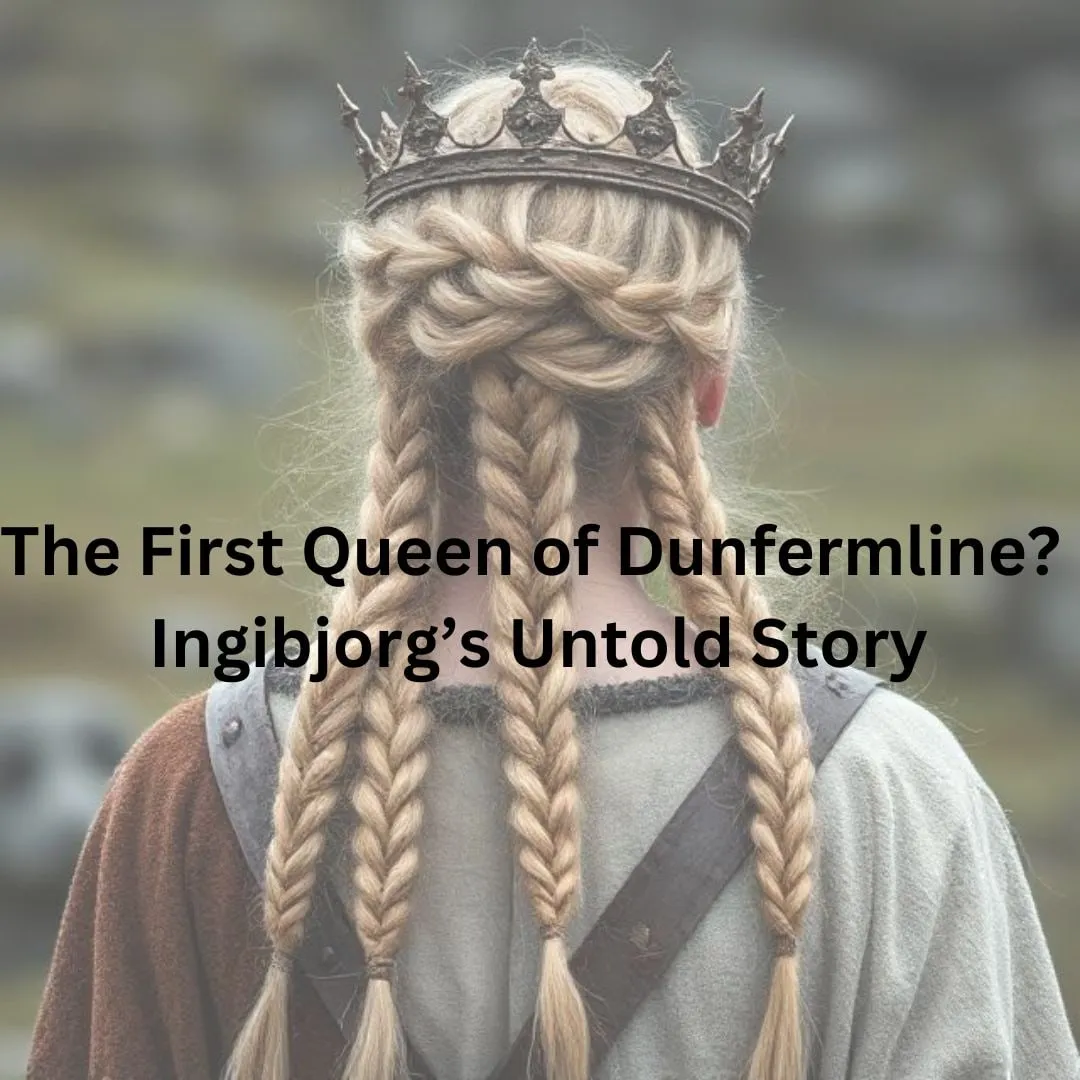
Little is recorded of Ingibjorg, first wife of Malcolm III. Scottish and English chronicles leave her out, but Scandinavian sources such as the Orkneyinga Saga name her.
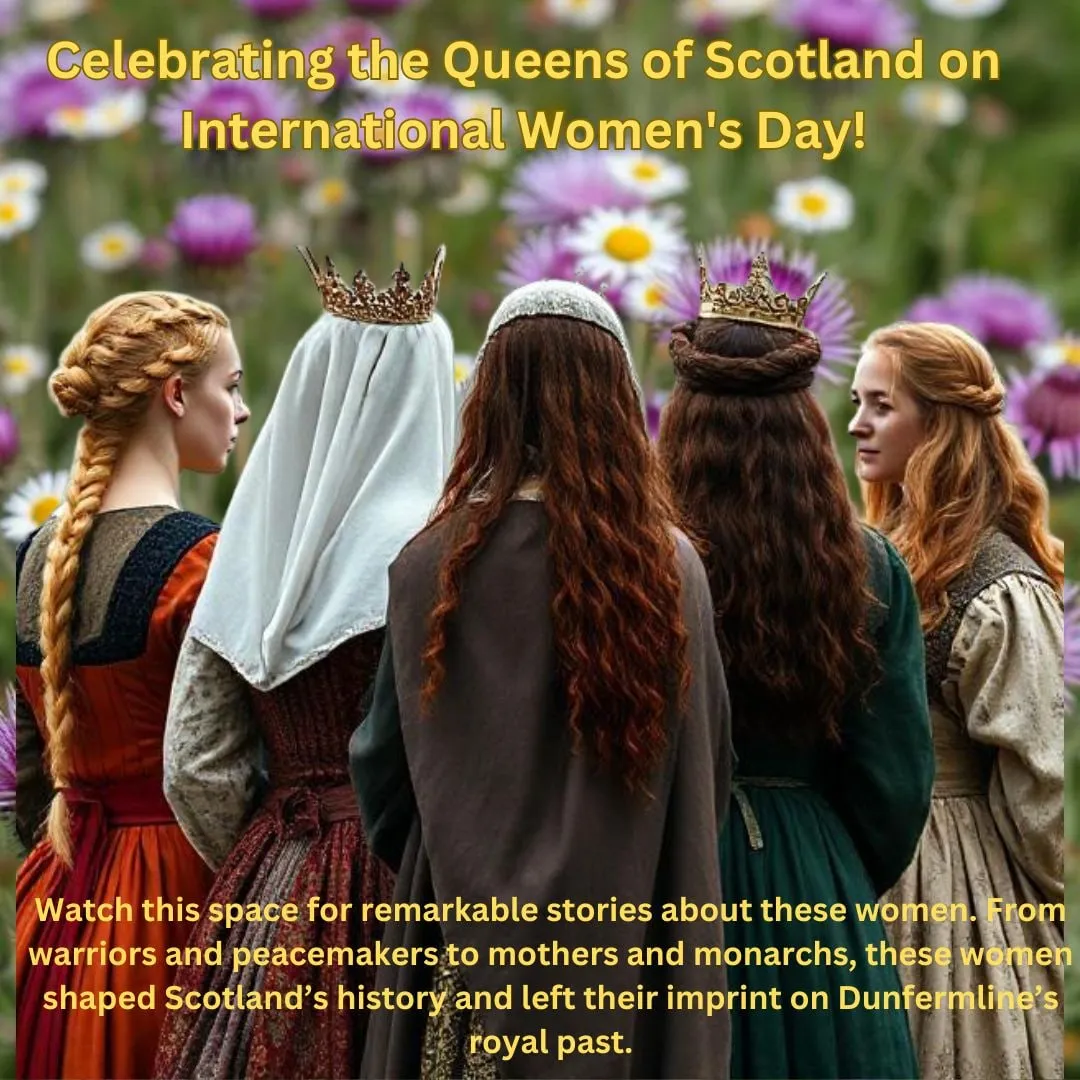
For International Women’s Day: the queens of Scotland who left their mark on Dunfermline and its abbey as diplomats, reformers, caregivers and rulers.
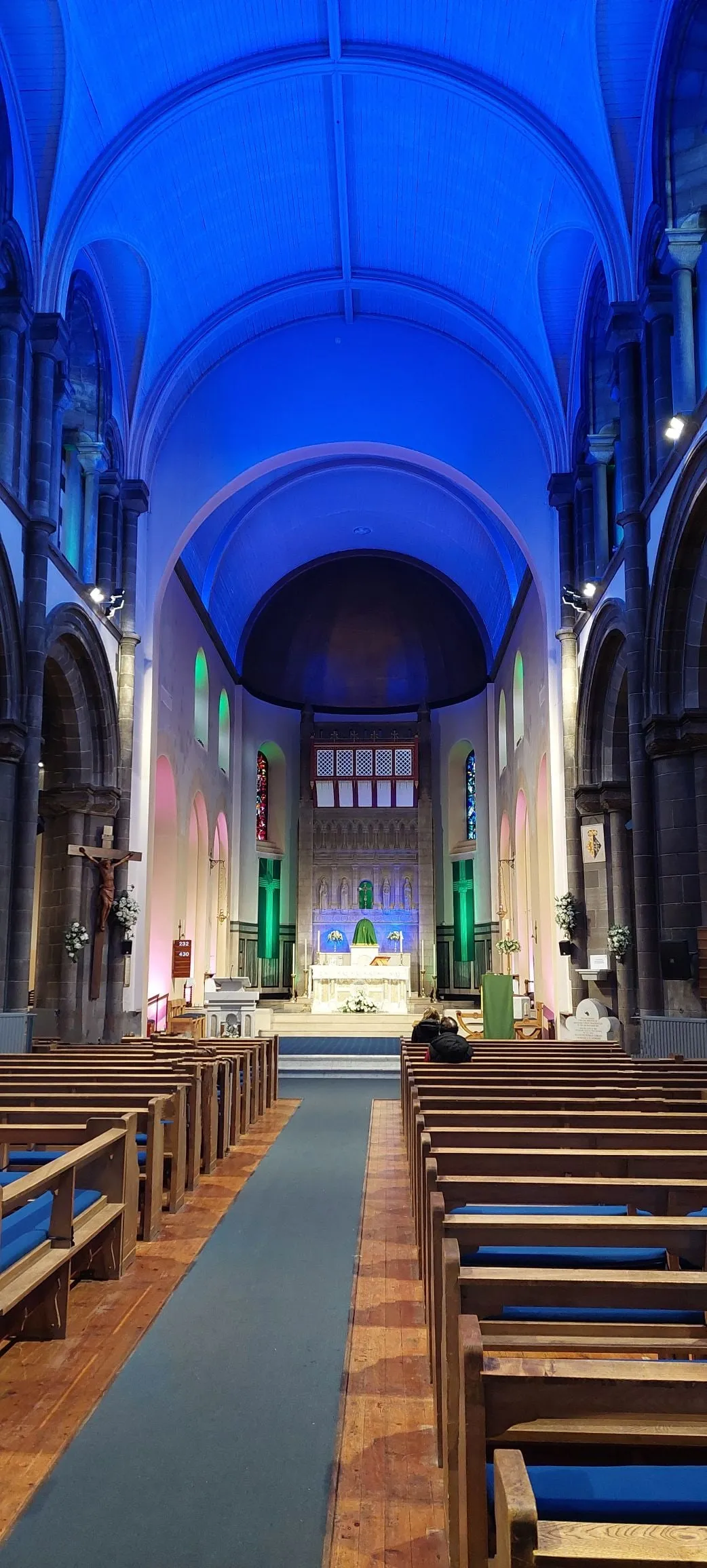
St Margaret’s RC Church keeps relics of St Margaret: a fragment of her shoulder bone, soil from her homeland of Hungary, and a pearl for the “Pearl of Scotland”.
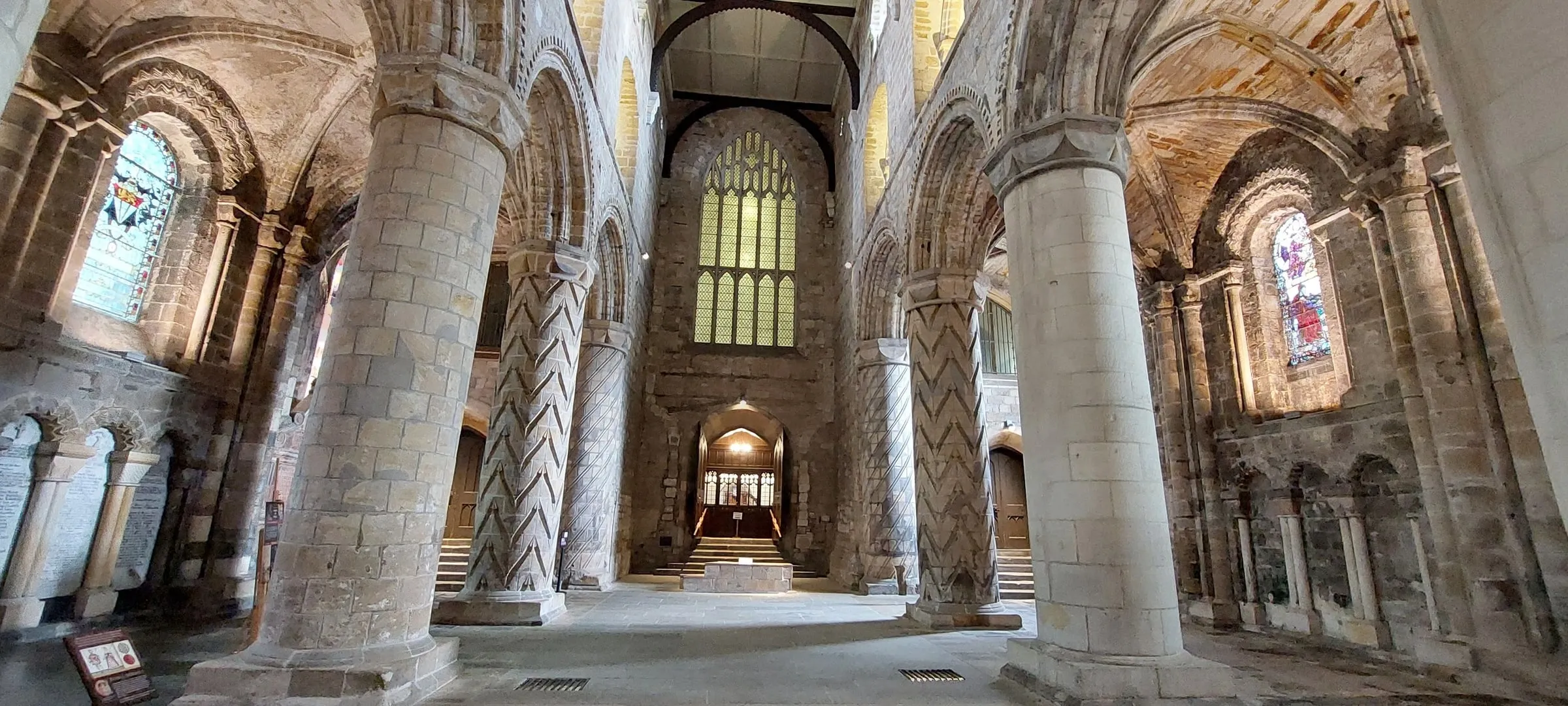
The great carved pillars and round arches of the Norman nave of Dunfermline Abbey.