 Historic Dunfermline
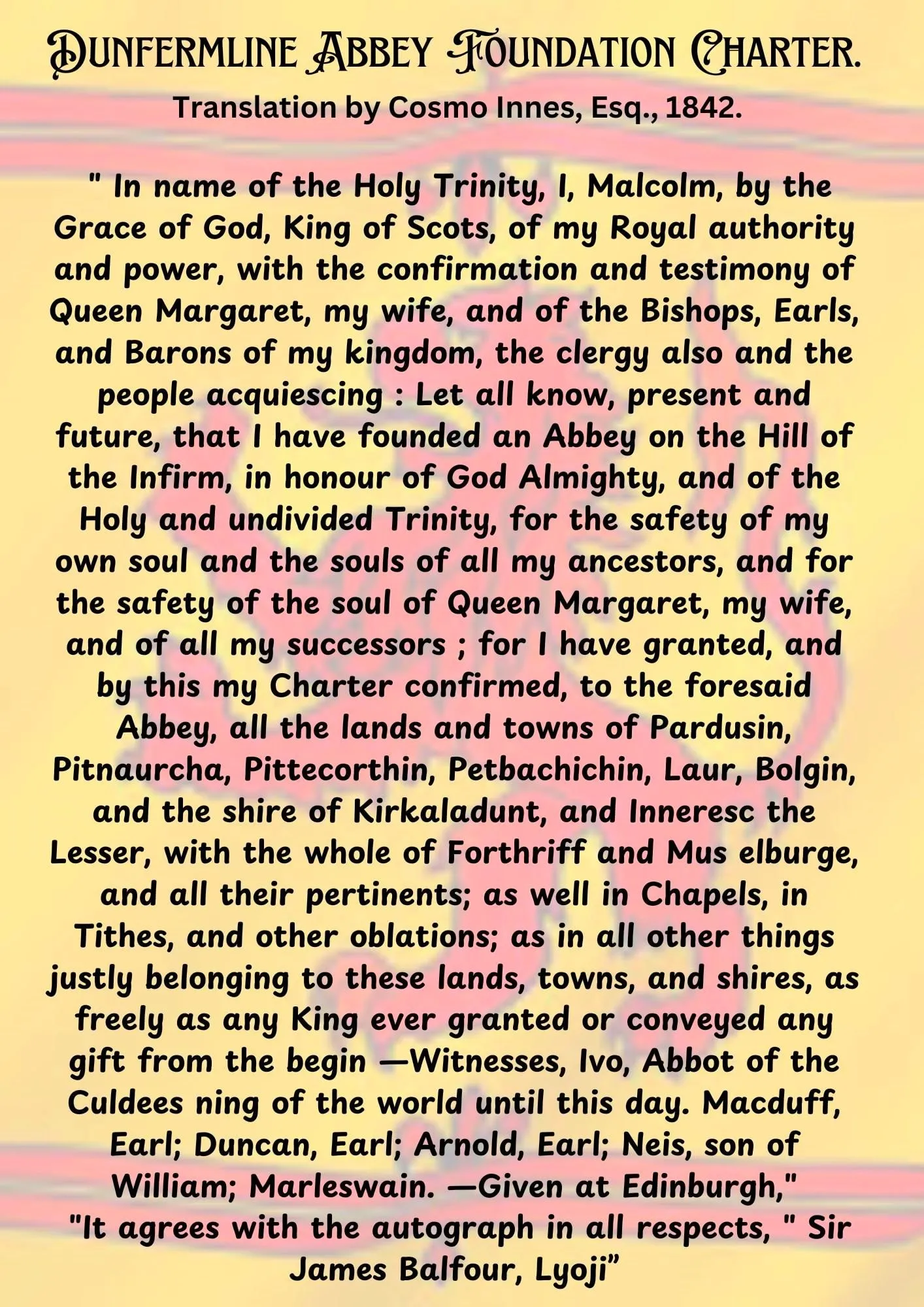
Dunfermline Abbey Foundation Charter by Malcolm Canmore
The text of Malcolm Canmore’s foundation charter for Dunfermline Abbey, in Cosmo Innes’s translation of 1842.
86 so far, newest first.
The text of Malcolm Canmore’s foundation charter for Dunfermline Abbey, in Cosmo Innes’s translation of 1842.
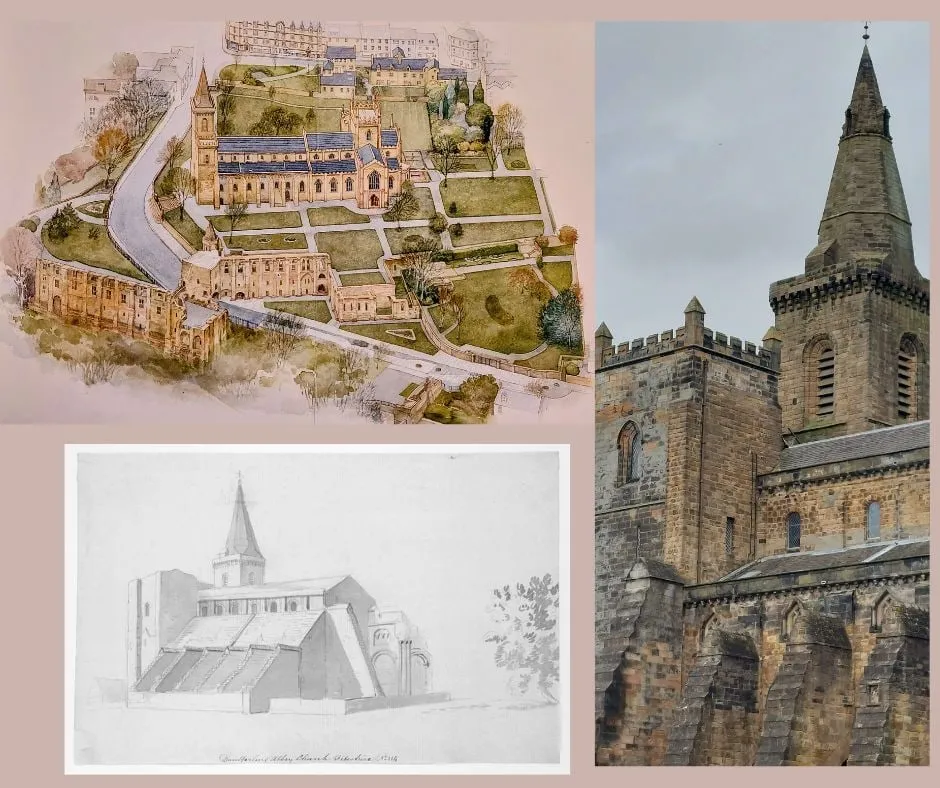
The year the great church at Dunfermline was founded is not recorded, but it is thought to have been soon after the marriage of Malcolm III and Queen Margaret.
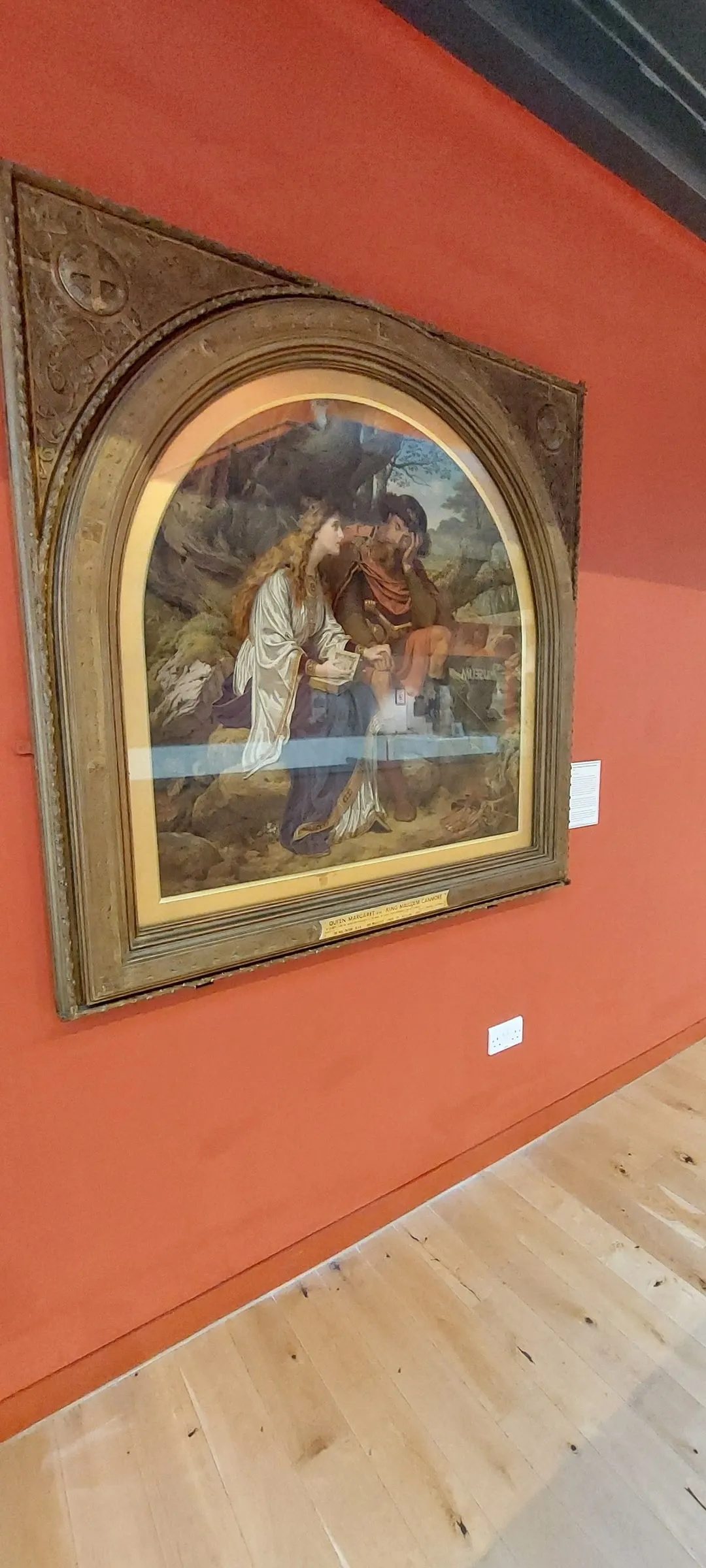
Joseph Noel Paton’s famous painting Queen Margaret and King Malcolm is now on permanent display at Dunfermline Carnegie Library and Galleries.
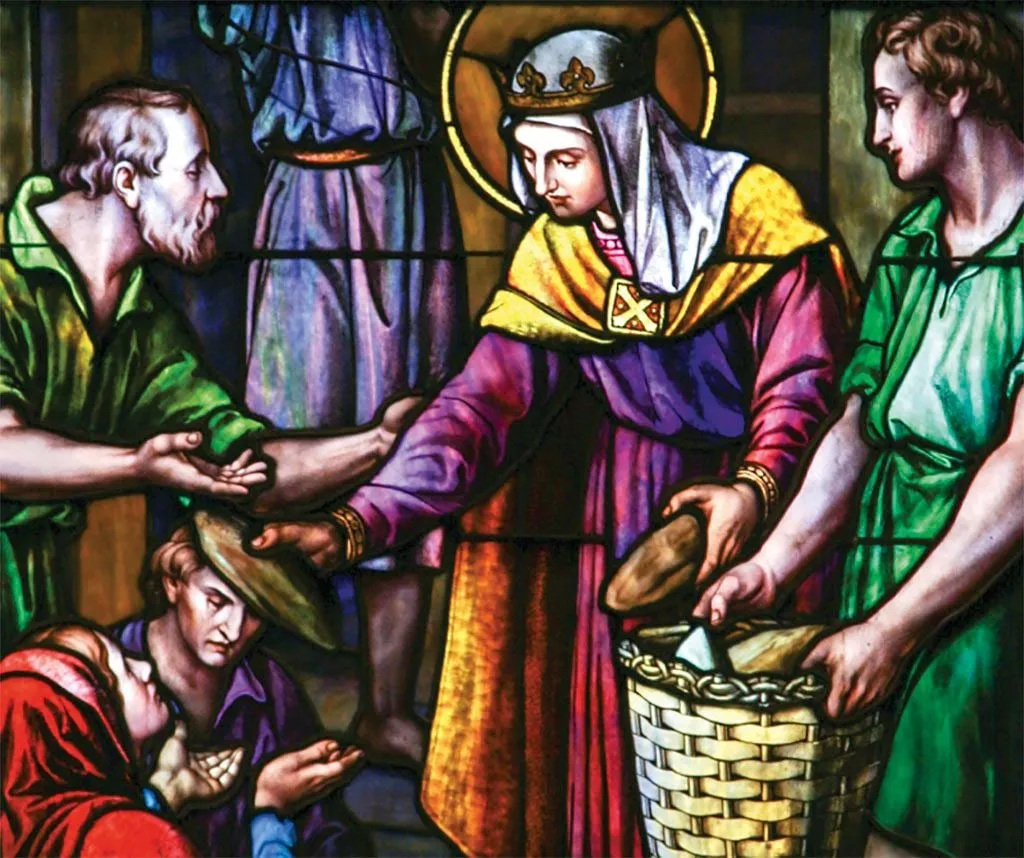
Turgot’s biography of St Margaret is the only contemporary account of her life. Who was he, and what part did he play in English and Scottish church history?
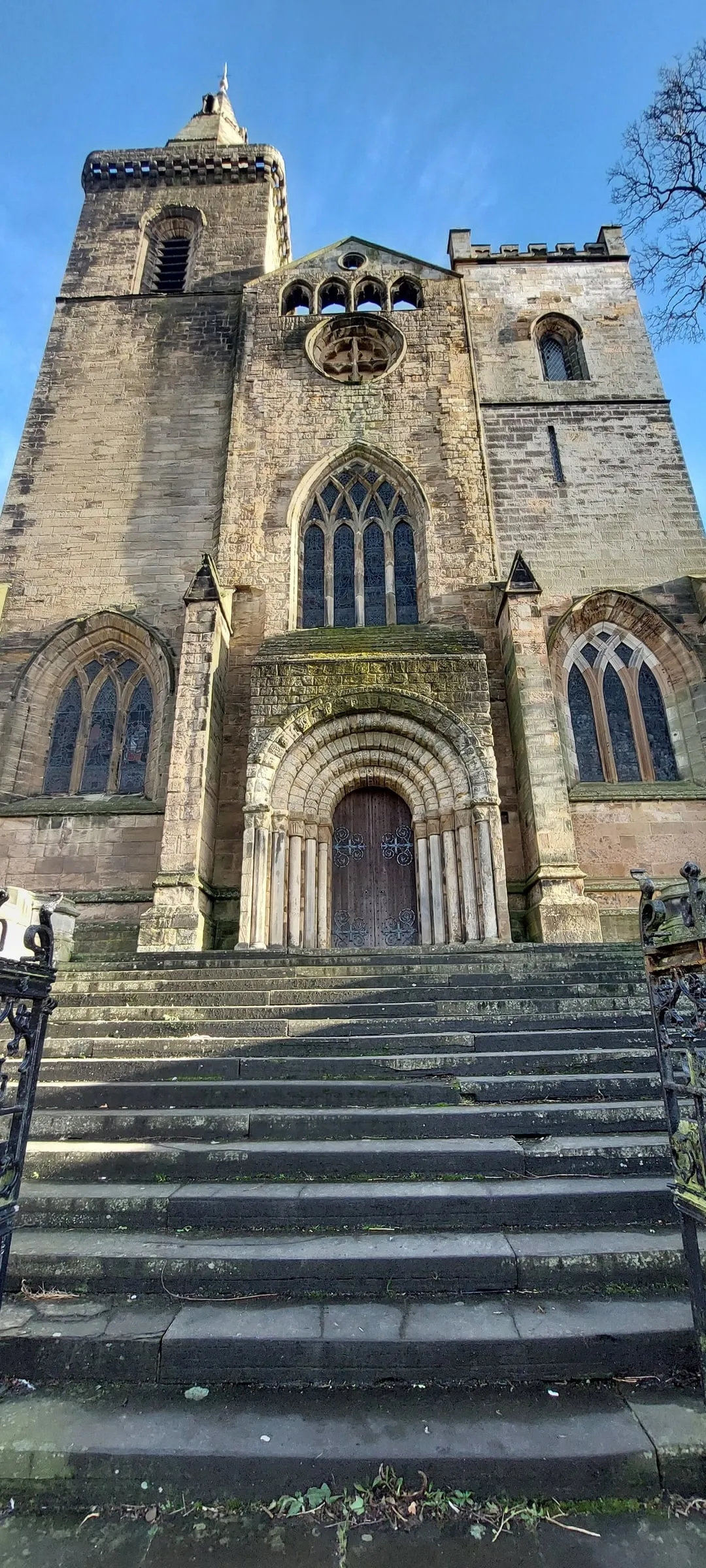
In the 1070s Queen Margaret brought Benedictine monks from Canterbury to Dunfermline. In 1128 her son David I raised their priory to an abbey.
Before the 11th century the Culdees, an ancient monastic order, kept a small religious community in Dunfermline, later replaced by Queen Margaret’s Benedictine monks.
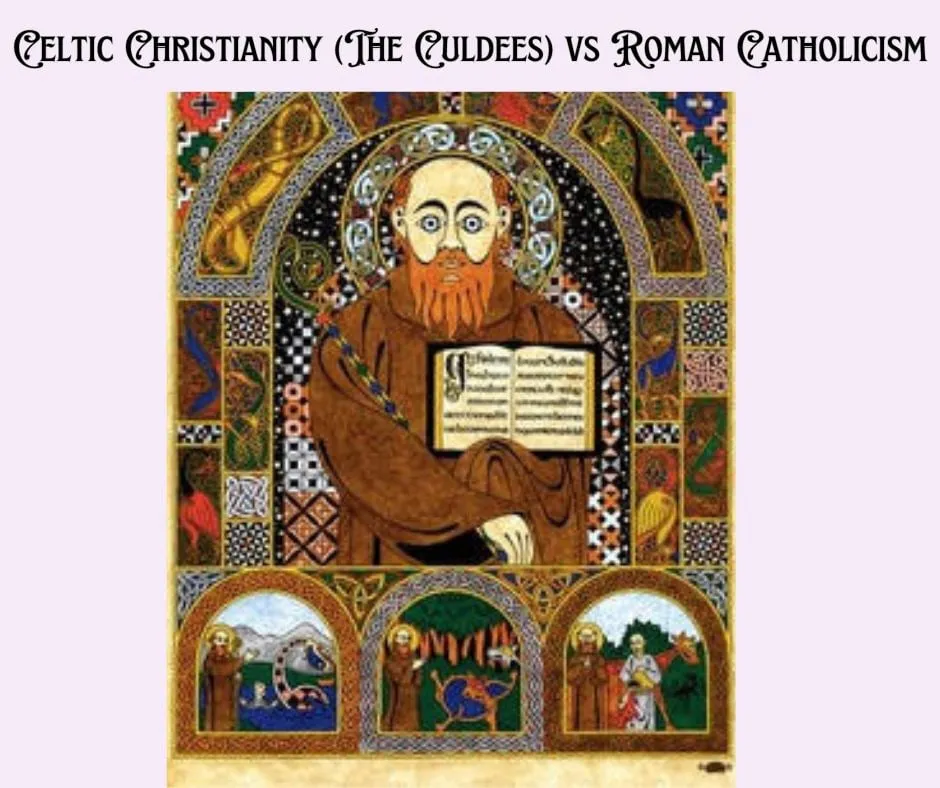
How the Culdees of early Scotland differed from the Roman Church, from the timing of Lent to confession and absolution.
Little physical trace of the Culdees remains in Dunfermline, but their older, independent Christianity is part of Scotland’s religious history.
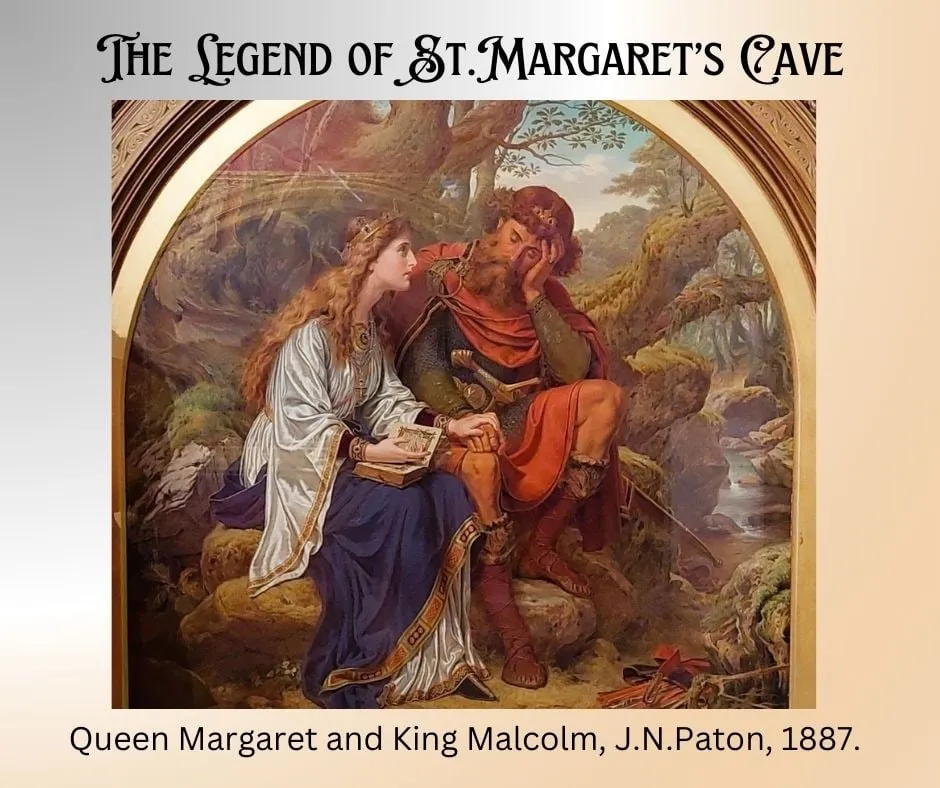
Legend says Queen Margaret used a cave in Dunfermline as a secret place of prayer, and that King Malcolm followed her there after a jealous courtier raised his suspicions.
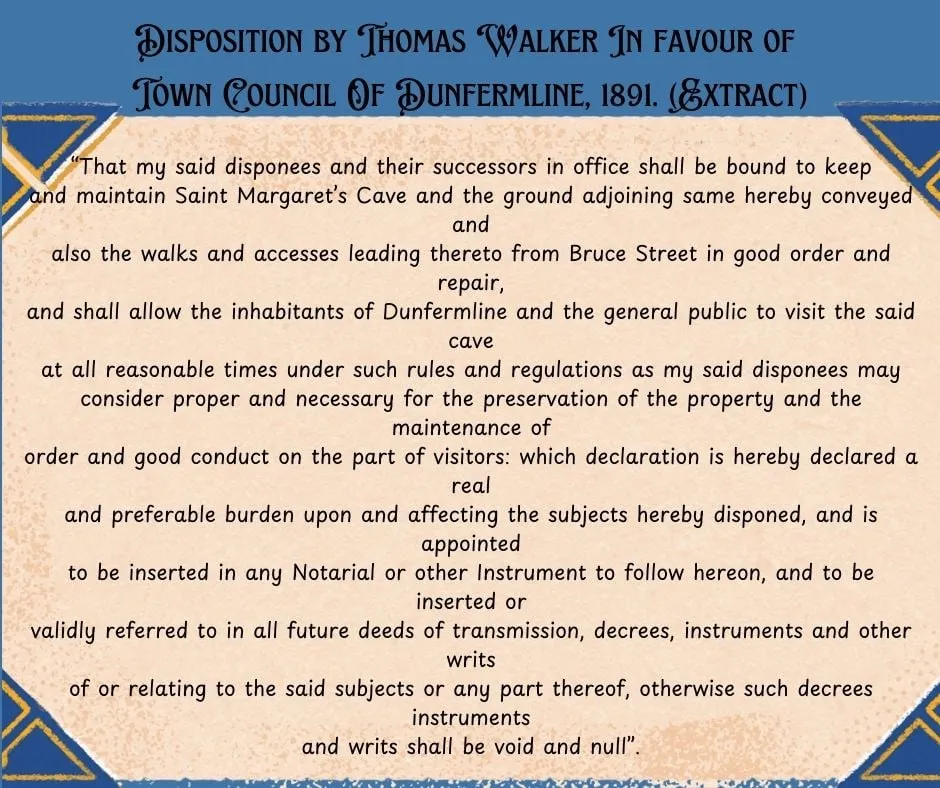
There is little evidence for the legend of St Margaret’s Cave: it is only mentioned from the early 19th century, and Turgot’s biography of Margaret never refers to it.
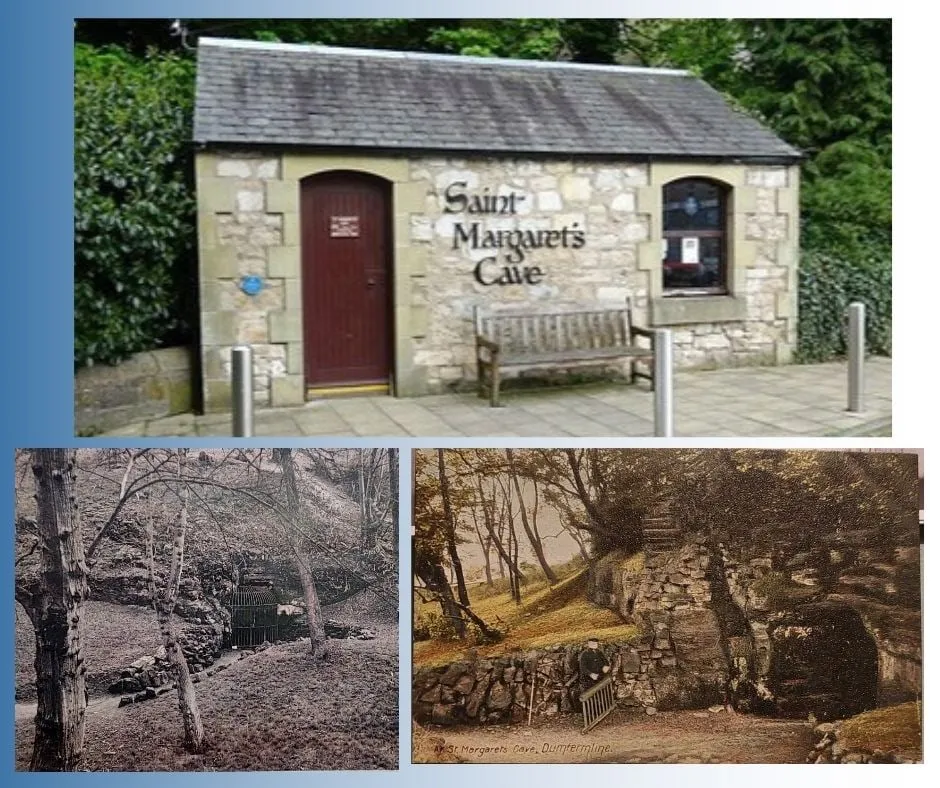
Whatever its true story, St Margaret’s Cave remains part of Dunfermline’s heritage, keeping alive the memory of Queen Margaret and her devotion.
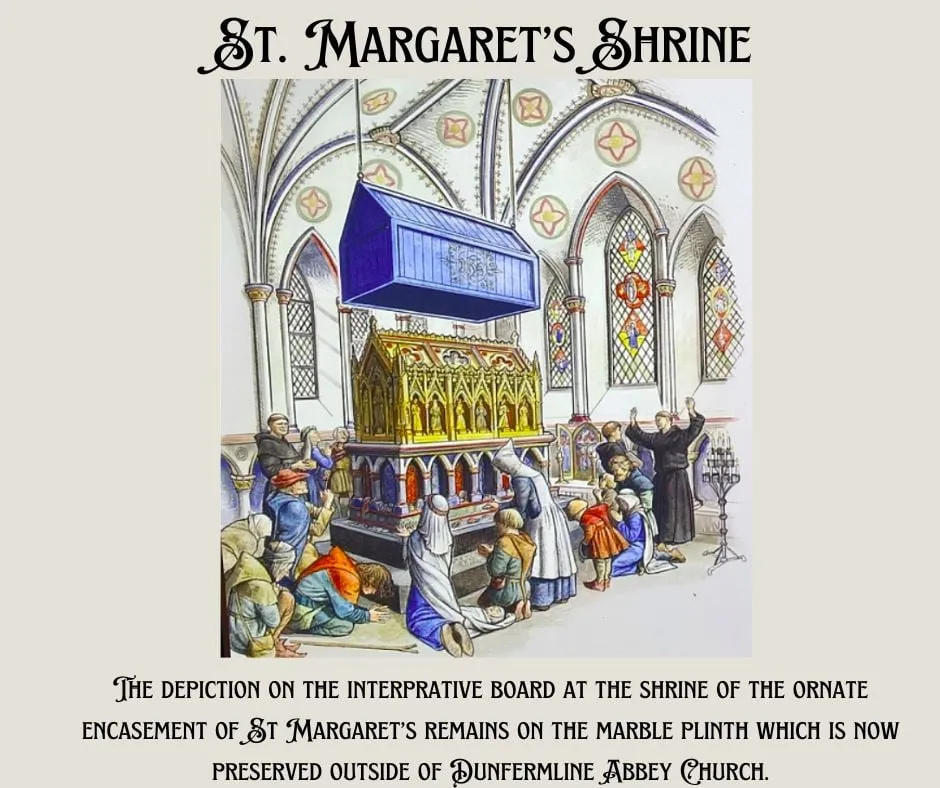
Malcolm Canmore and Queen Margaret died days apart: Malcolm killed at the Battle of Alnwick, Margaret soon after hearing the news. Both were buried in Dunfermline.