 Historic Dunfermline
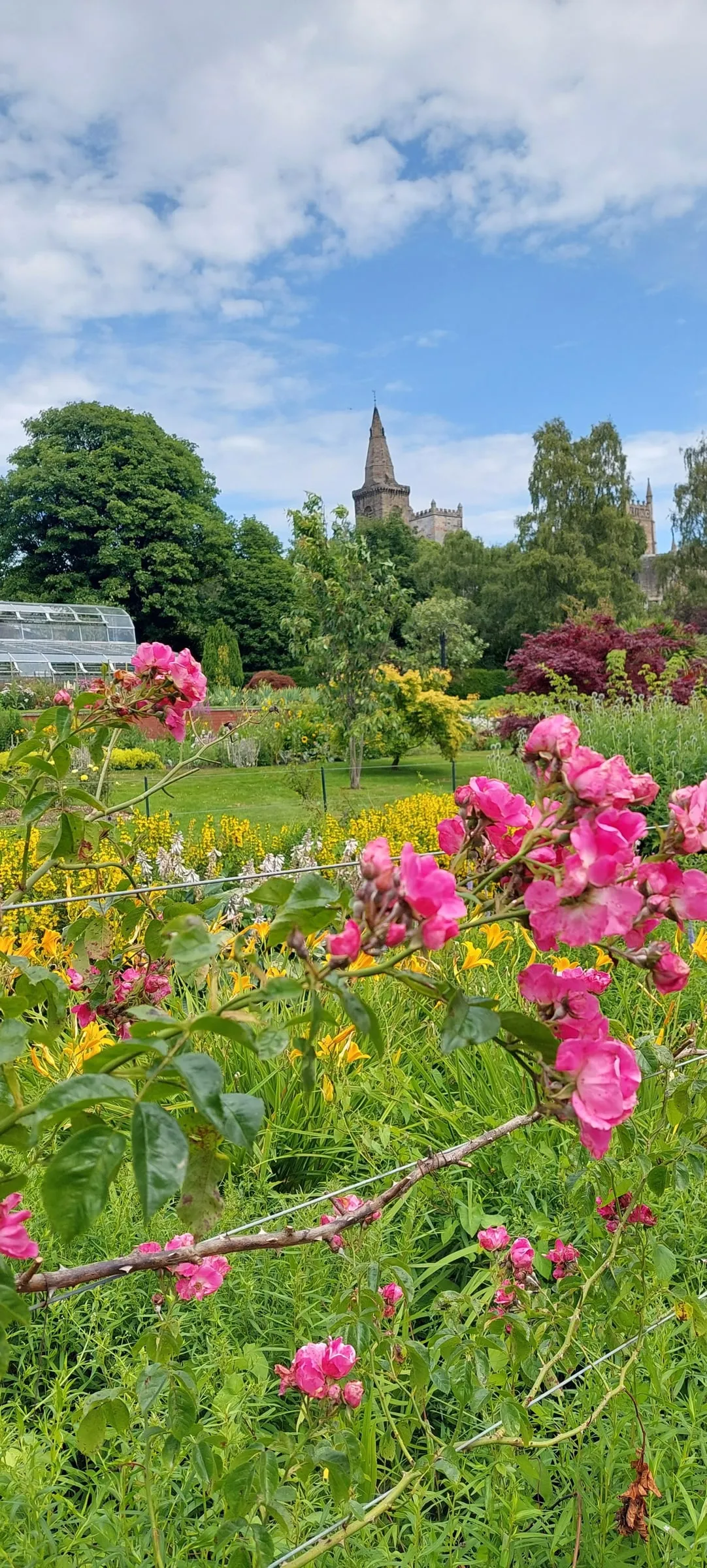
Summer in Pittencrieff Park: Flowers, Glasshouses and Peacocks
Summer days in Pittencrieff Park: flower borders, the glasshouses and their koi pond, Pittencrieff House and the peacocks.
86 so far, newest first.
Summer days in Pittencrieff Park: flower borders, the glasshouses and their koi pond, Pittencrieff House and the peacocks.
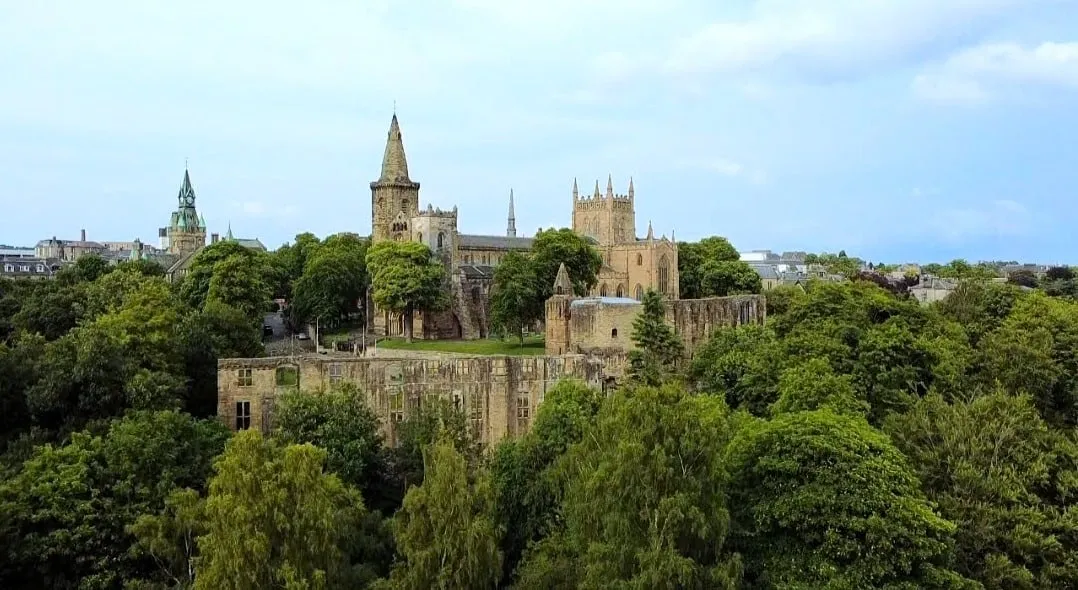
Dunfermline Abbey and the ruined royal palace above the trees, seen from Pittencrieff Park.
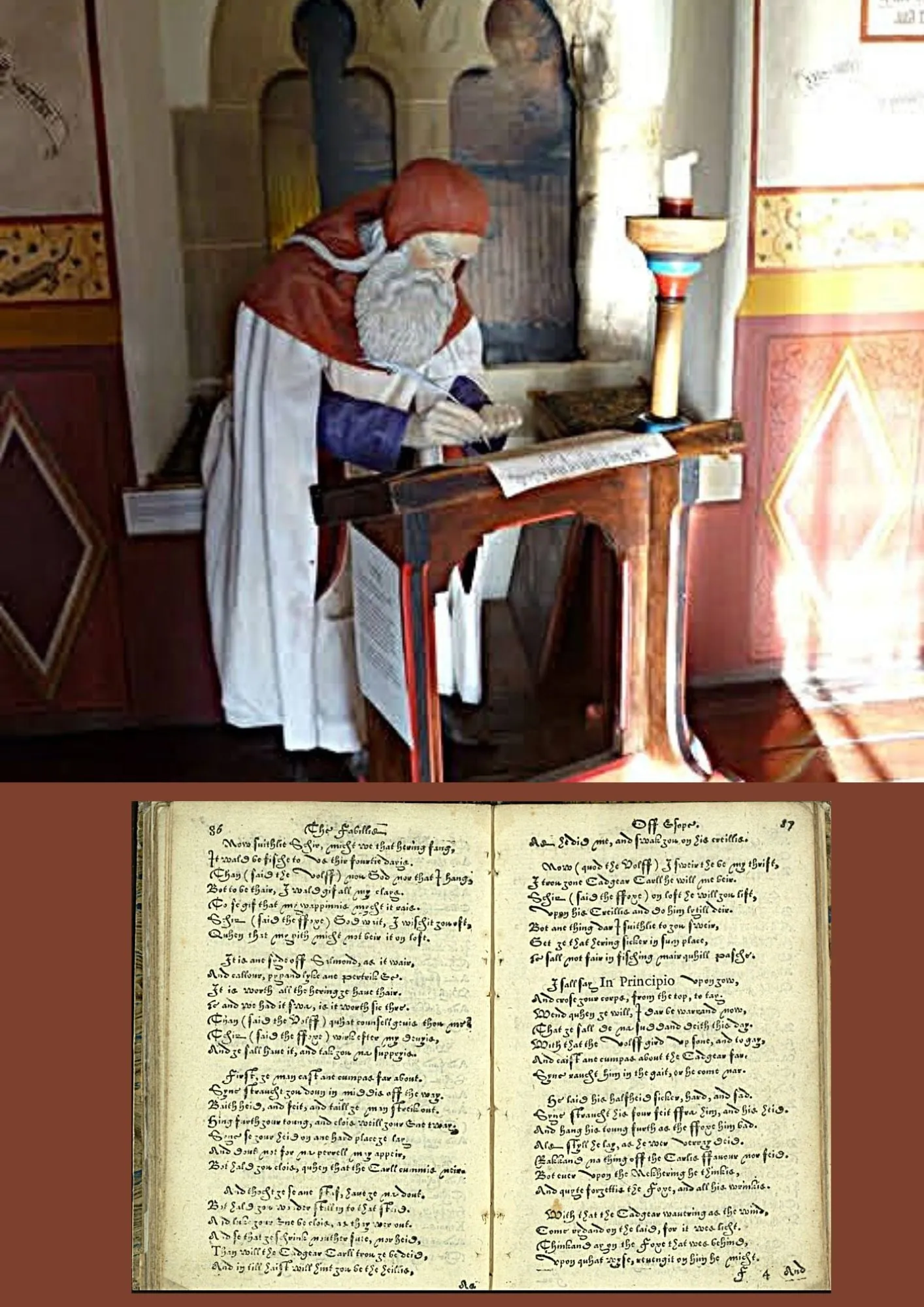
Robert Henryson, one of Scotland’s great medieval poets, flourished around 1460–1500 and was chief schoolmaster of Dunfermline.
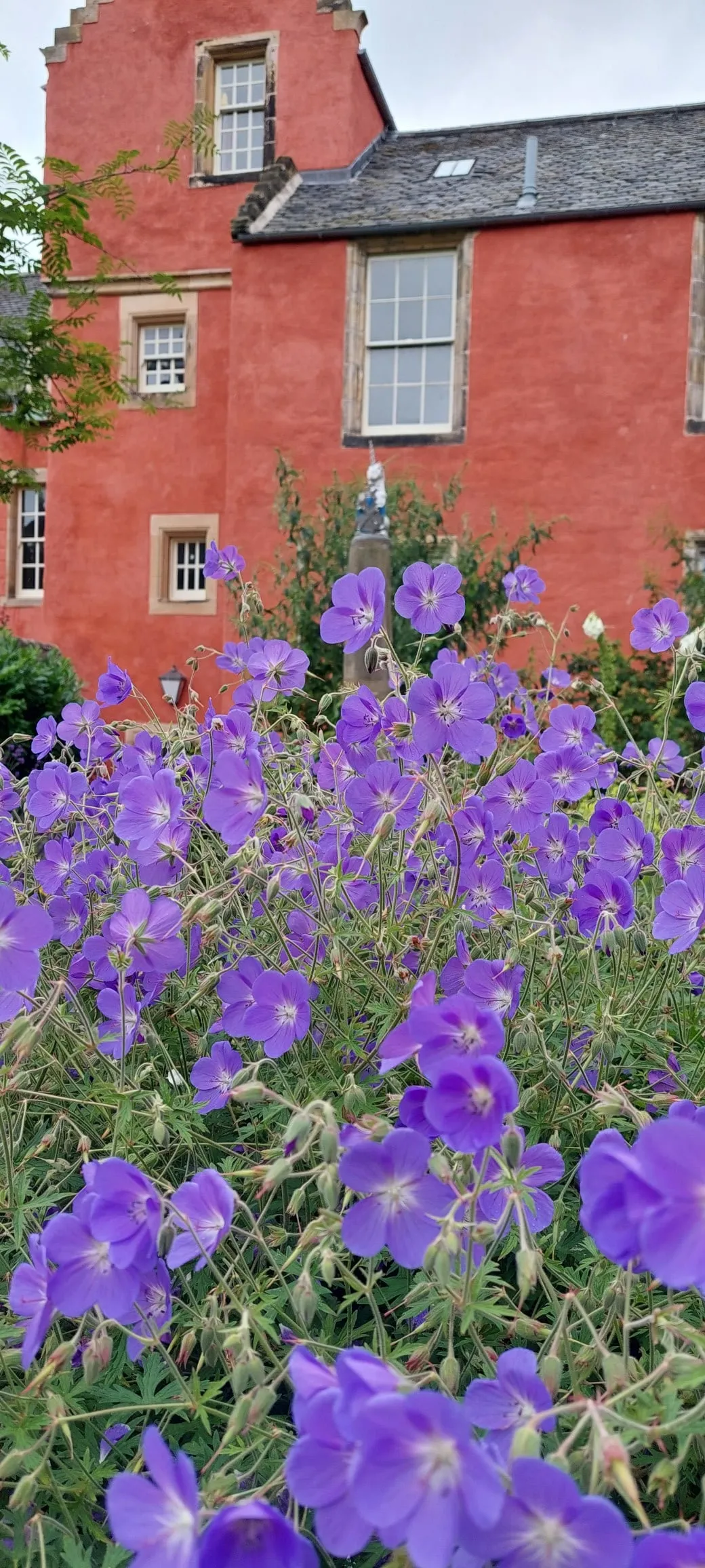
Geraniums at Abbot House, roses and poppies: colour in Dunfermline on a grey summer day.
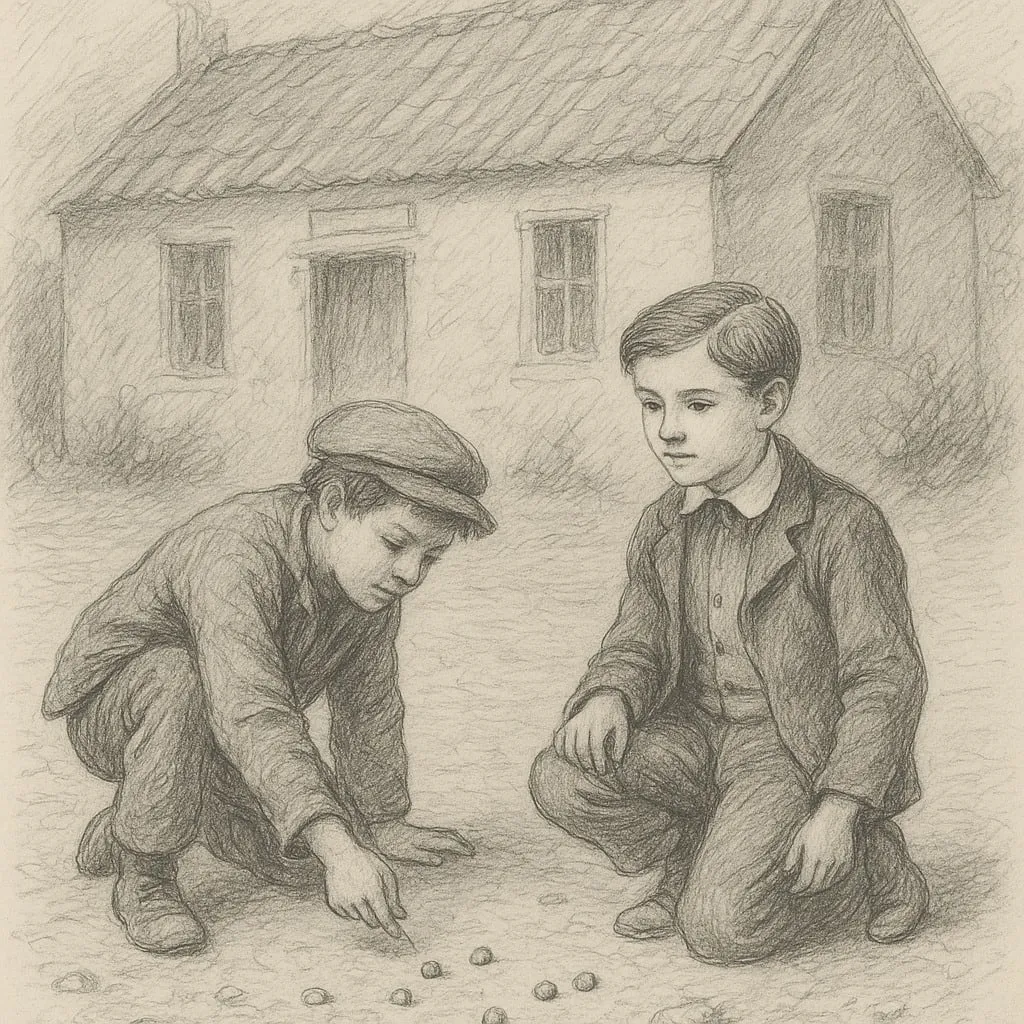
Little is known of Andrew Carnegie’s childhood. Historian Daniel Thomson recorded this story from William Cunningham, who was at Robert Martin’s School with him.
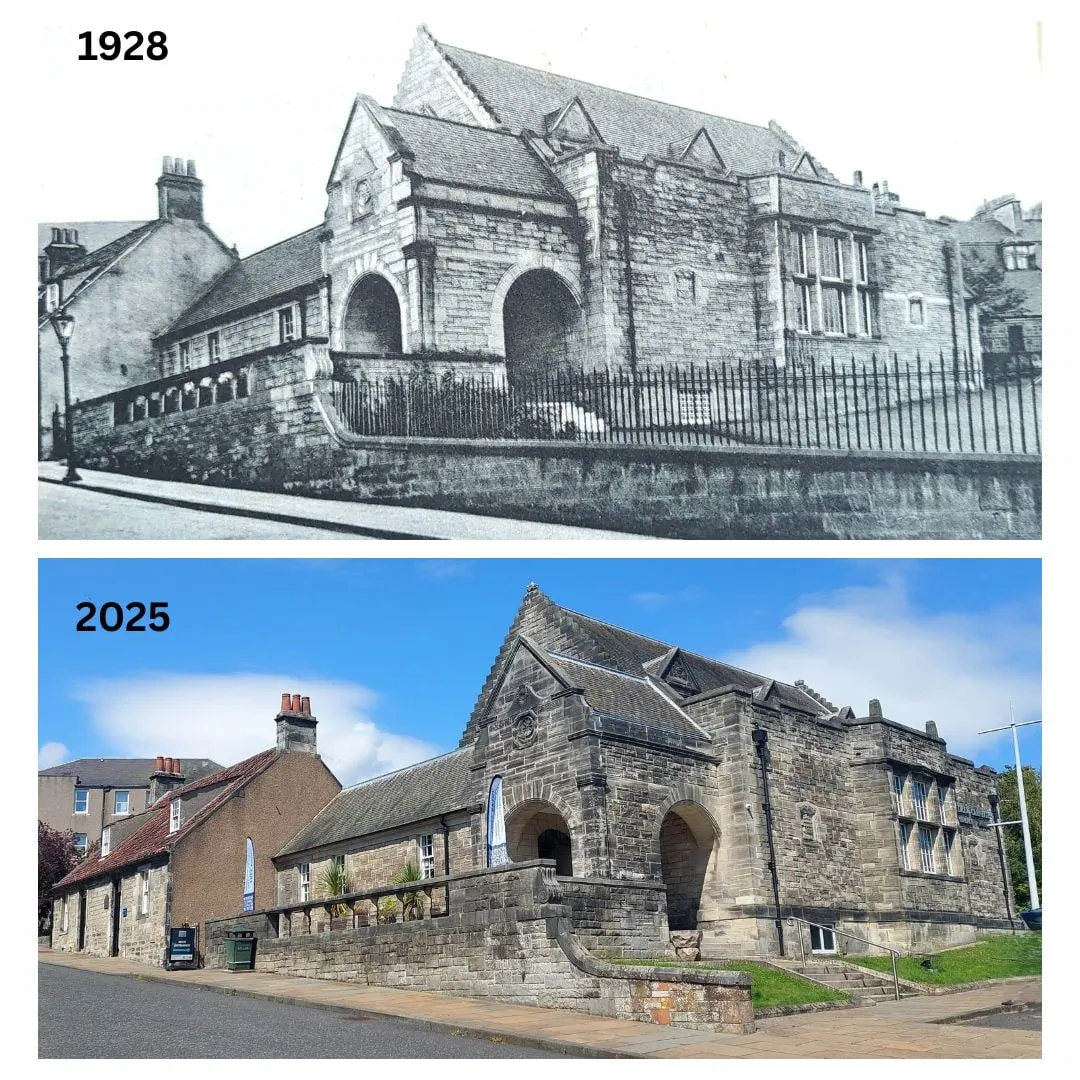
On 28 June 1928 the Andrew Carnegie Birthplace Museum opened, with Carnegie’s widow Louise and daughter Margaret among the guests.
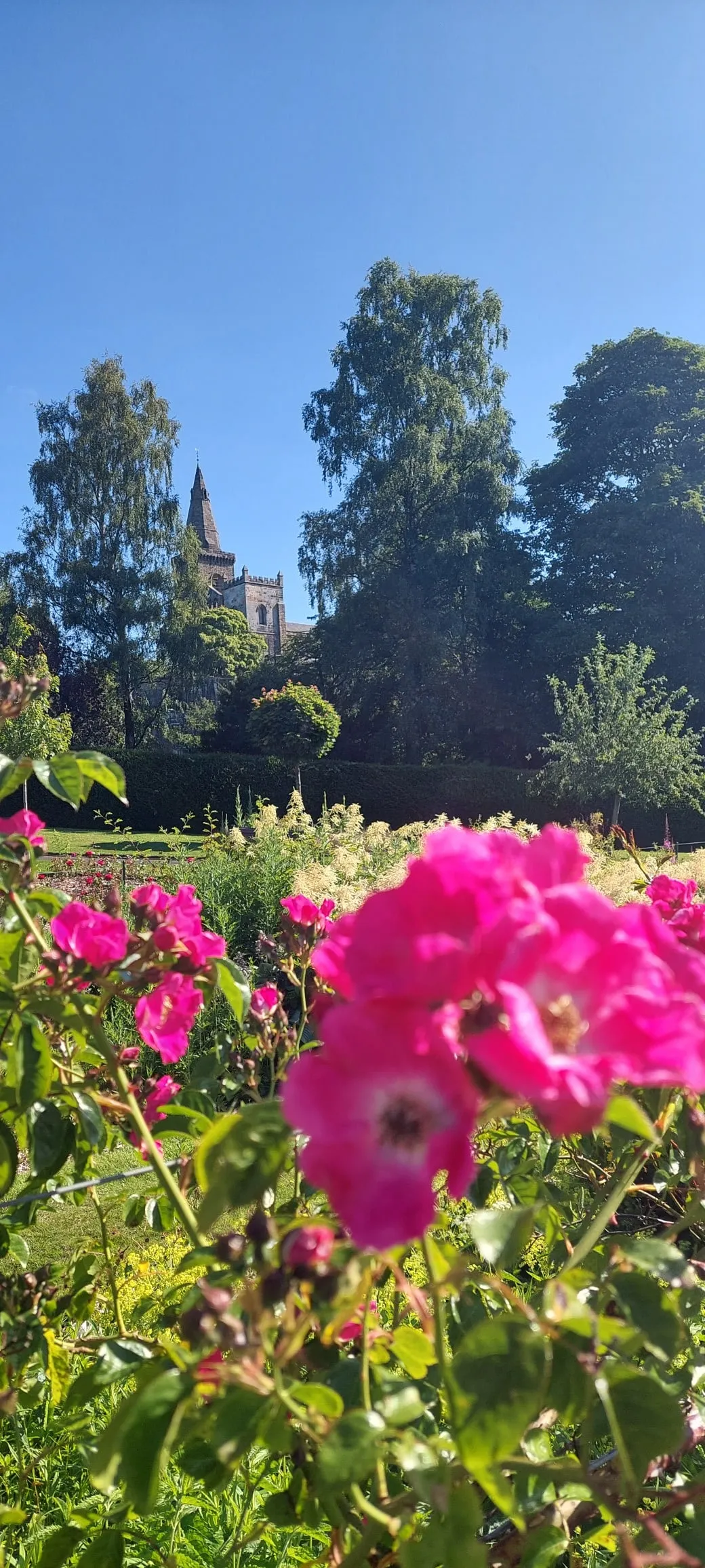
Roses, irises and summer borders on a bright morning in Pittencrieff Park.
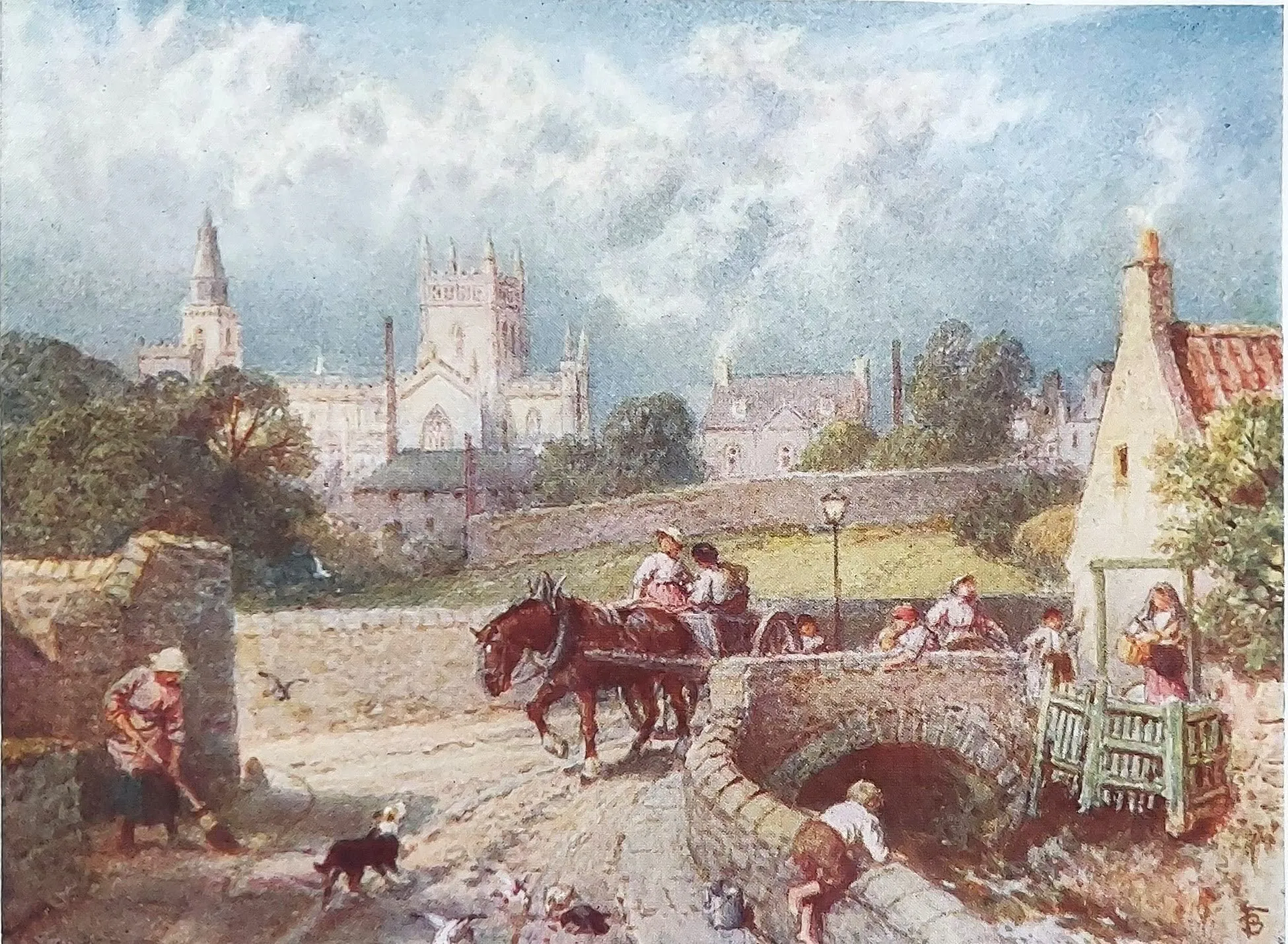
Leprosy, plague and scarce medical help: how medieval Dunfermline coped with illness, hardship and disease.
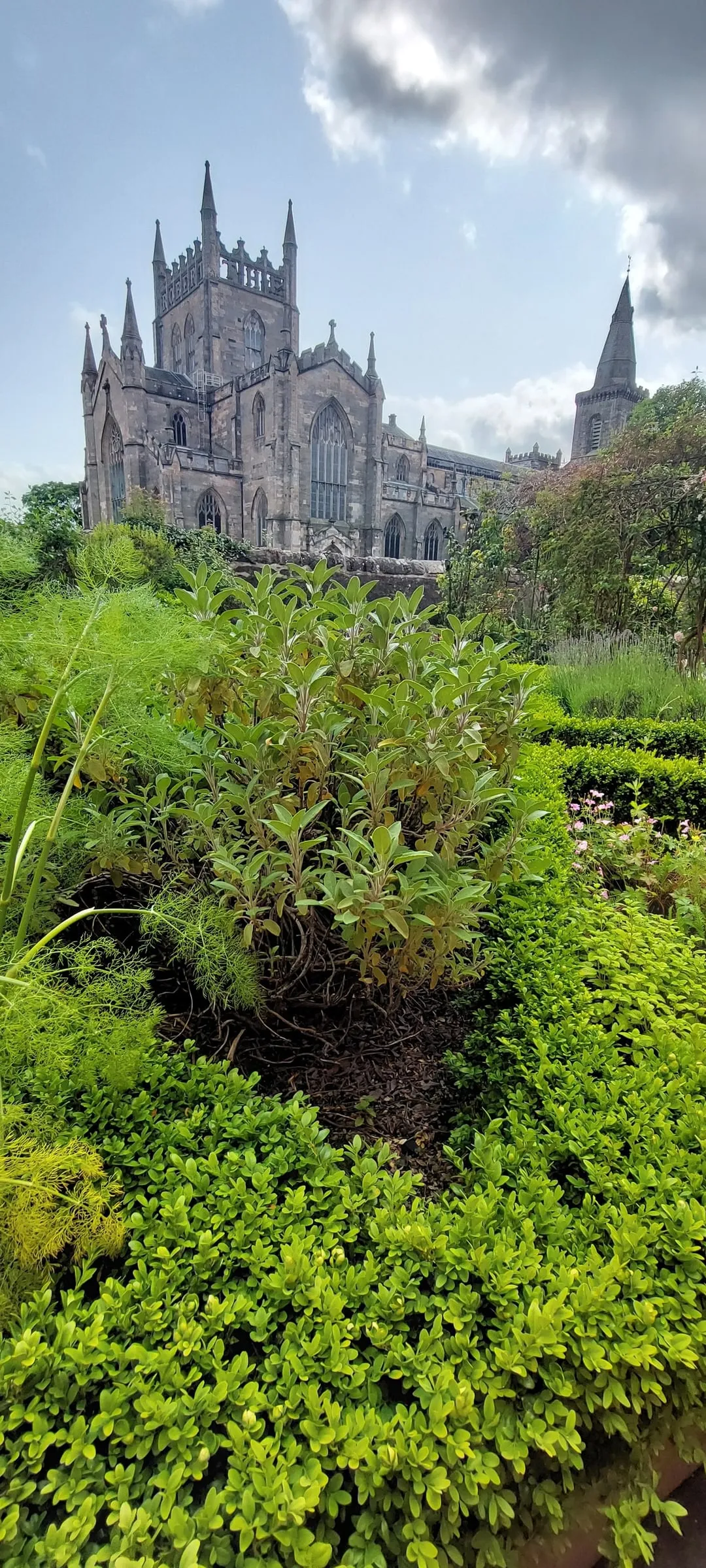
The gardens at Abbot House in summer, including Lady Anne Halkett’s Herb Garden, with Dunfermline Abbey above.
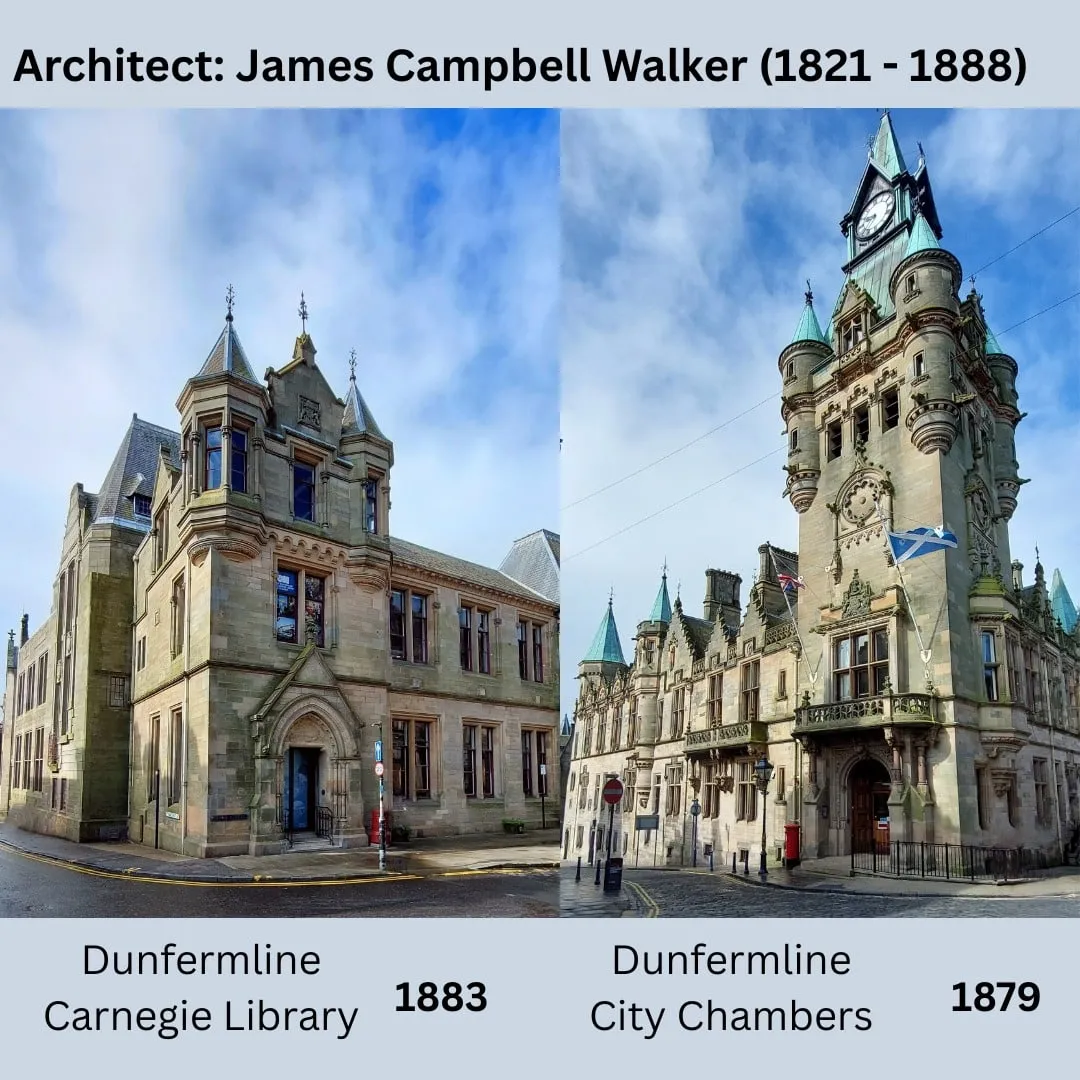
Dunfermline’s Carnegie Library and City Chambers look very different, but both were designed by the architect James Campbell Walker.
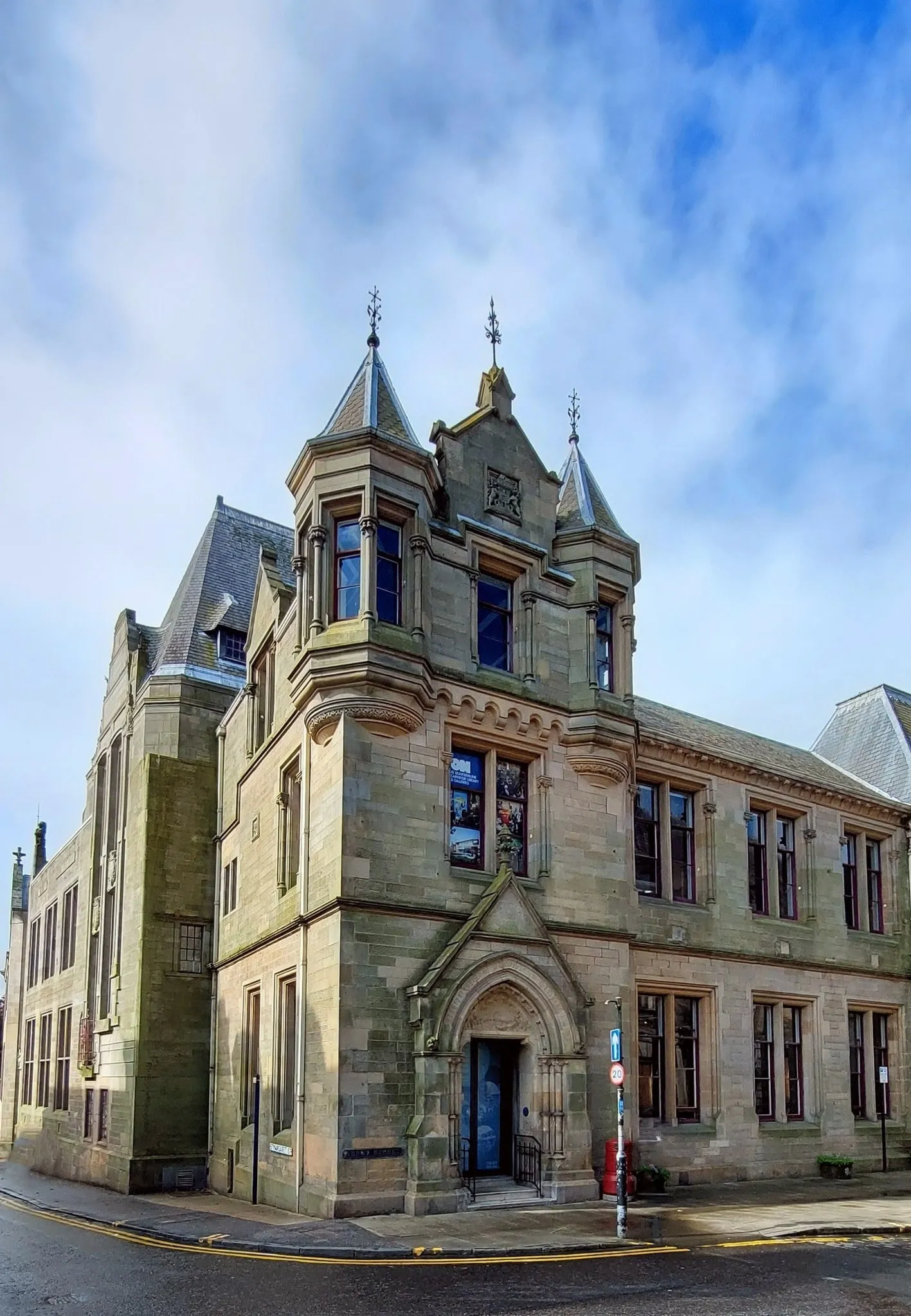
Photographs of James Campbell Walker’s Carnegie Library and City Chambers, still part of the fabric of Dunfermline.
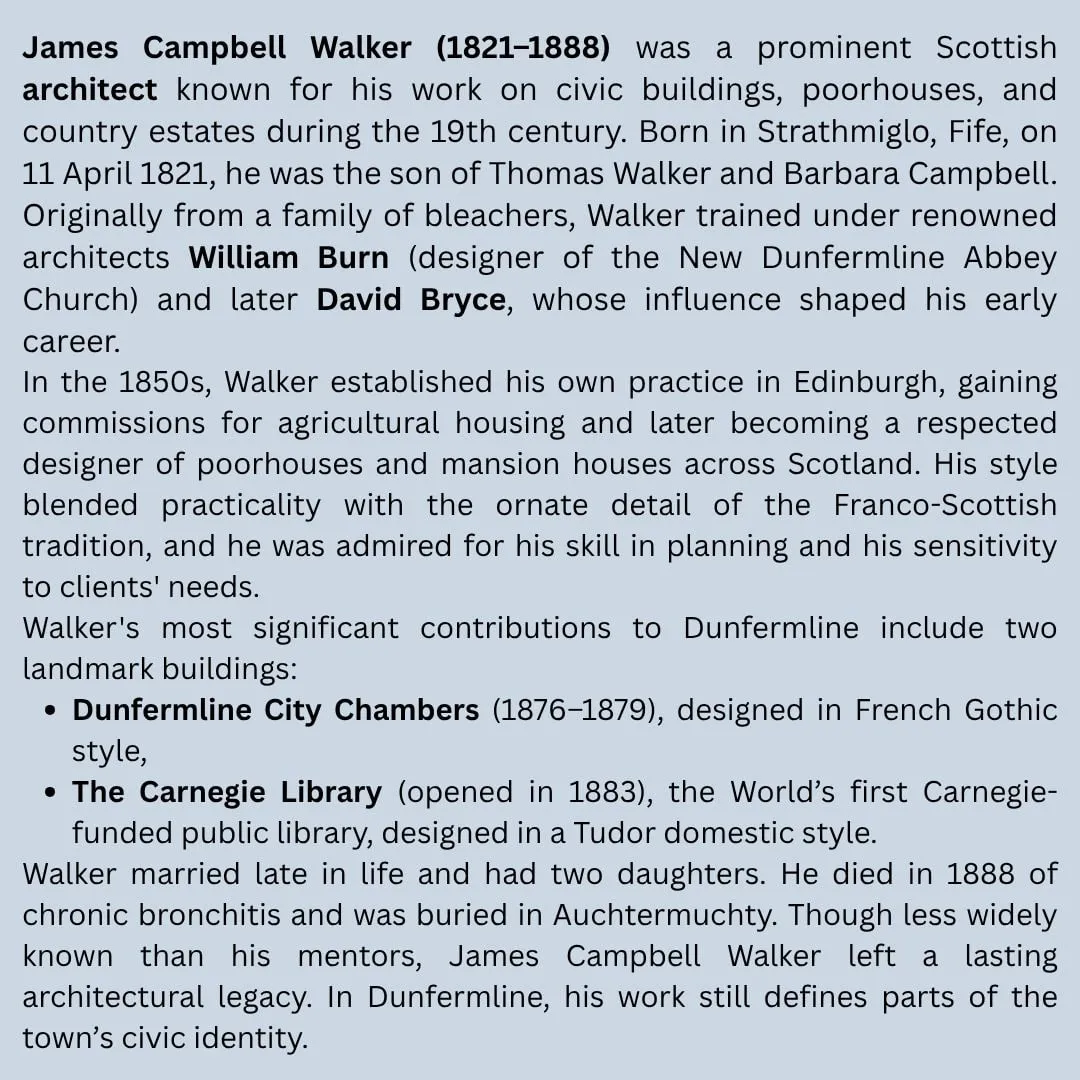
James Campbell Walker (1821–1888), born in Strathmiglo, Fife, designed Dunfermline City Chambers and the world’s first Carnegie library.