Historic Dunfermline
How Malcolm Canmore Came to Dunfermline
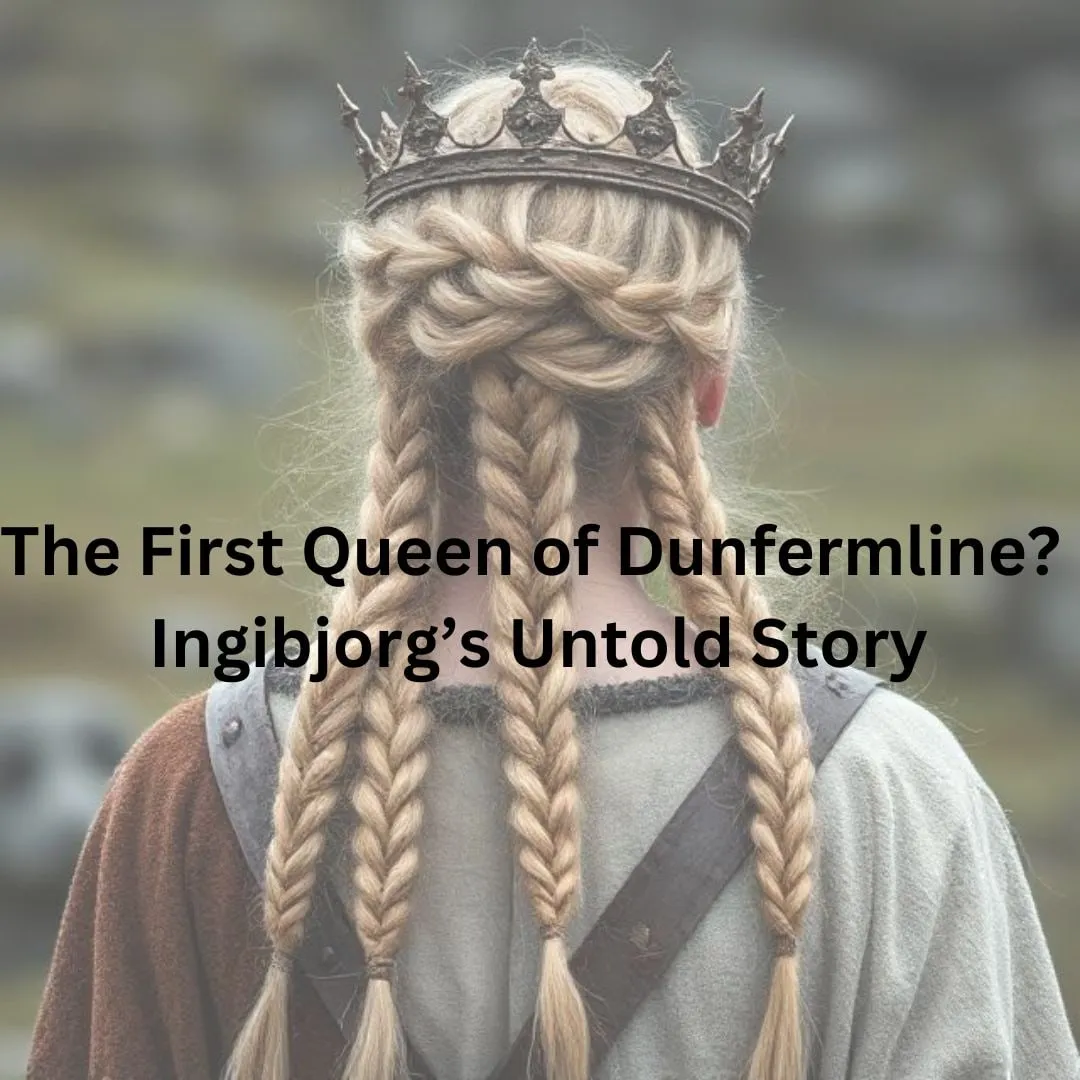
After the death of his first wife, Ingibjorg, sometime in the 1060s, Malcolm built a new royal residence in Dunfermline, which was then a tiny hamlet. Some accounts suggest that it may have been a hunting lodge. The site of this residence is believed to be what is now called Malcolm Canmore Tower in Pittencrieff Park. While it remains uncertain whether the ruined fortified tower in Pittencrieff Glen was indeed Malcolm’s residence, it is clear that a royal home existed in Dunfermline, with a settlement clustered around it.
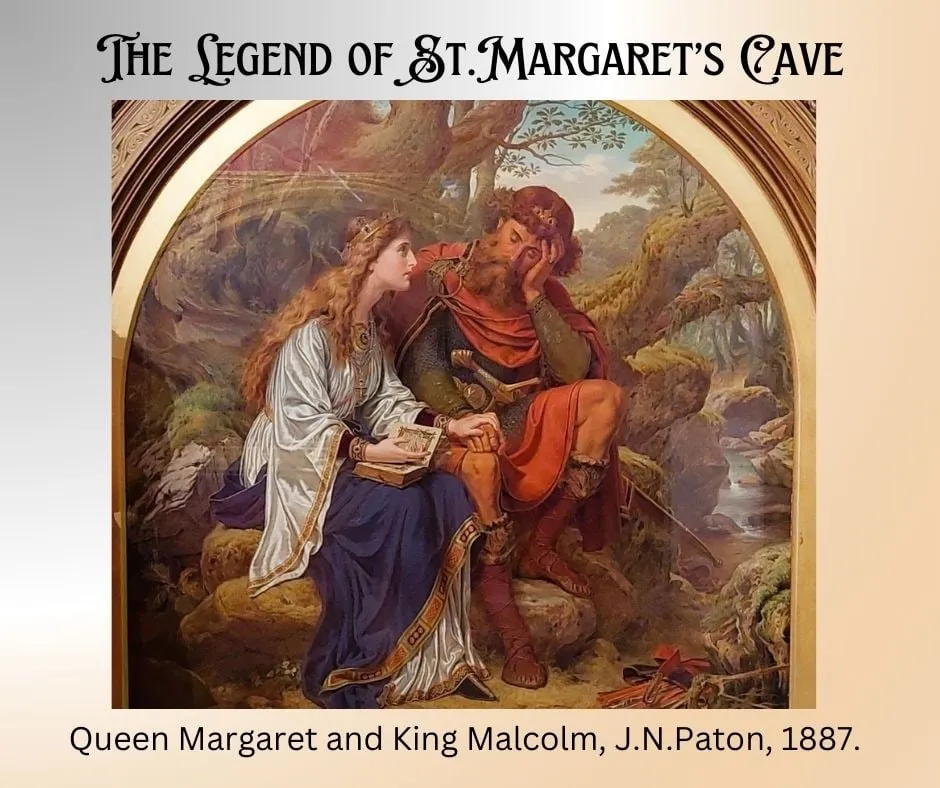
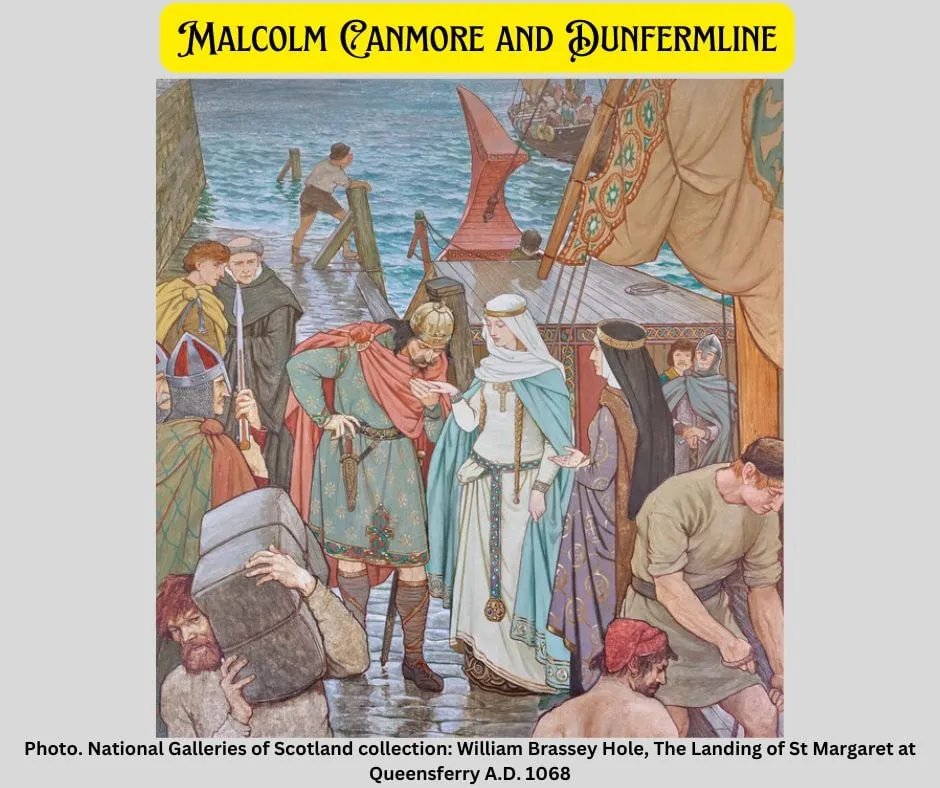
Malcolm chose a defensible site for his new home, atop a steep bank 70 feet above the loop of what is now known as the Tower Burn in Pittencrieff Park. This location required defenders to guard only a narrow neck of land. It was here that Malcolm is said to have received news of a ship arriving in the Forth carrying his future wife, Margaret. The couple was married on the site where Dunfermline Abbey would later be built.
Dunfermline first appears in historical records between 1067 and 1070, when the marriage of King Malcolm and the Saxon princess Margaret was celebrated with great magnificence. At the time, Dunfermline was likely a modest township consisting of little more than a cluster of timber huts. During the reign of their son, David I, Dunfermline was elevated to the status of a “burgh.”
It is unclear how long Malcolm and Margaret resided in Dunfermline. Due to Malcolm’s frequent military campaigns against the English, they moved to a more strategically defensible location closer to the border: Edinburgh. It was at the site of Edinburgh Castle that Margaret received the devastating news of her husband and son’s deaths at Alnwick. She herself died there only a few days later.