Historic Dunfermline
Did You Know Old Postcards Could Carry Secret Messages?
Postcards were an open form of communication that could be read by postal workers and family members alike 👀. It’s no surprise, then, that people found ways to pass along secret messages to their loved ones ❤️. This tradition developed during Victorian times and continued into the 20th century, gradually fading away on a mass scale.
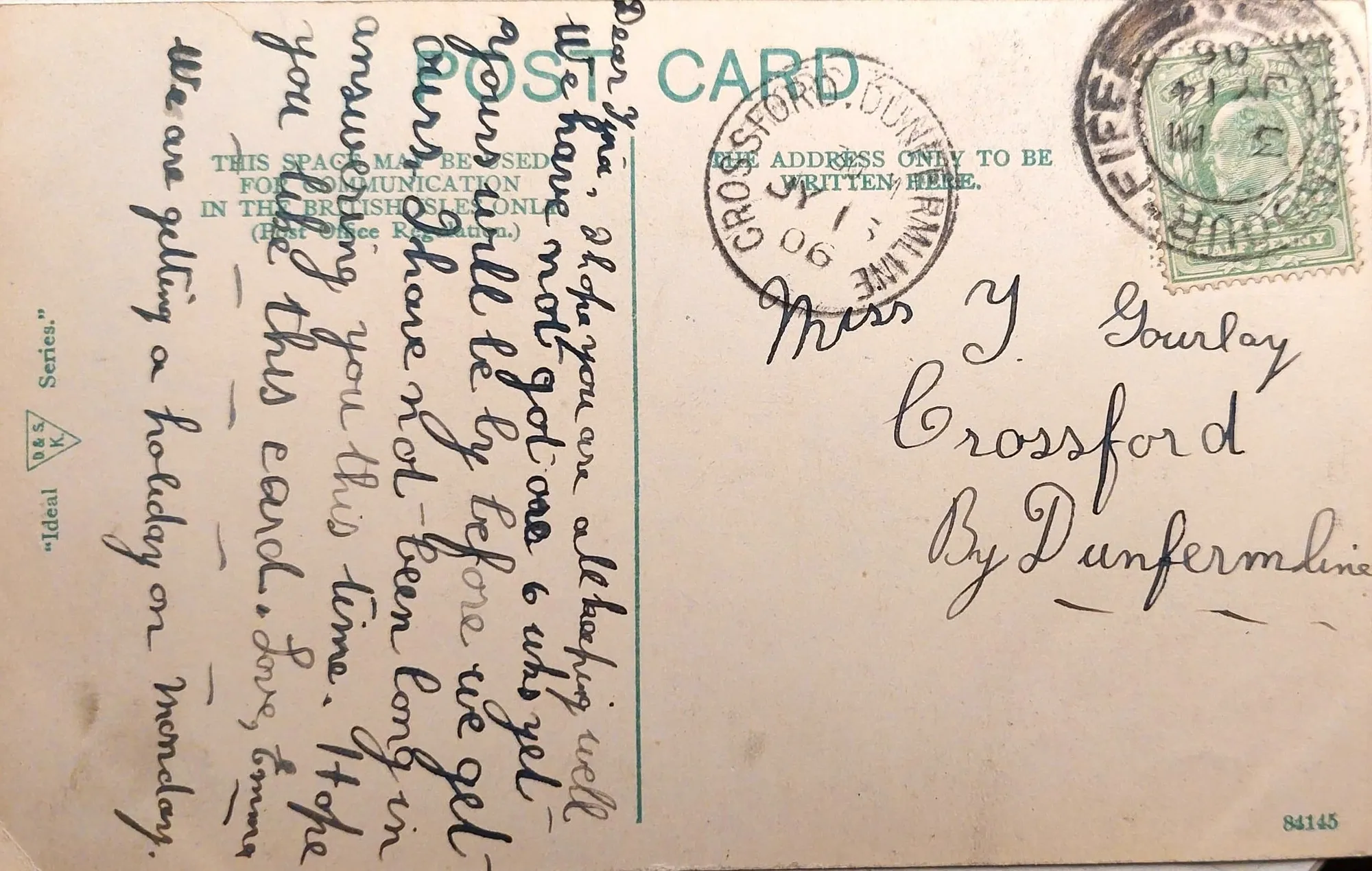
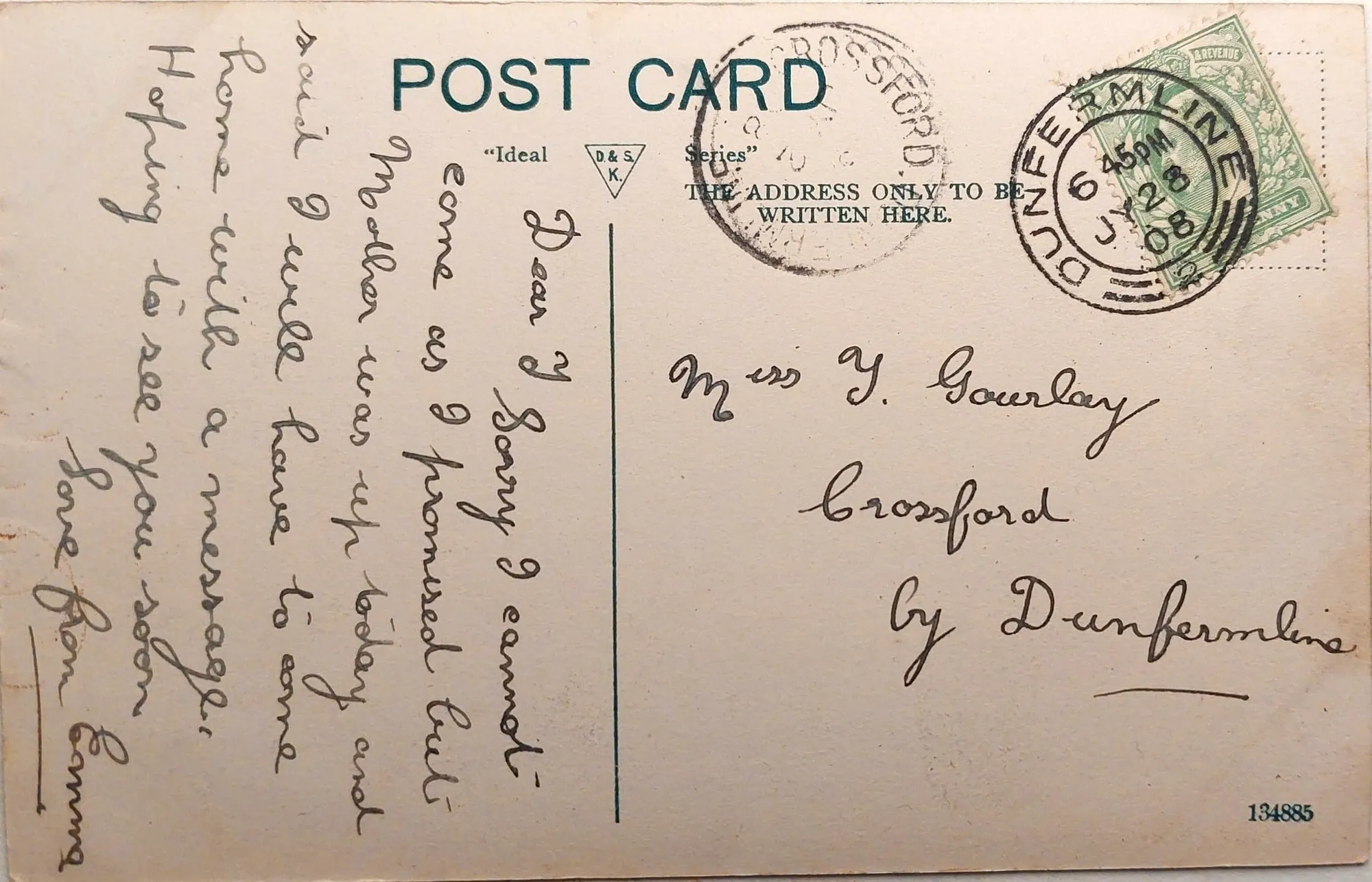
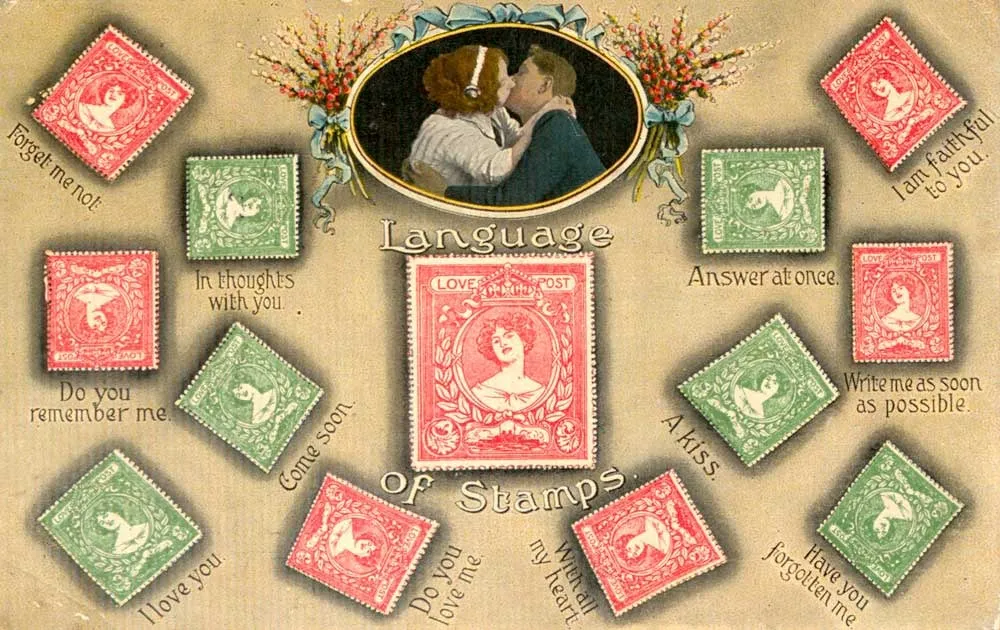
To send a hidden message via a publicly readable postcard, Victorians developed the “Language of Stamps” 📨, angling postage stamps in different positions and at varying degrees to convey secret meanings. There were numerous keys used to crack these codes, often with different interpretations for each angle, so using the same key was vital for understanding. While there were traditional interpretations of this secret language, people often developed their own meanings between themselves 🤫.
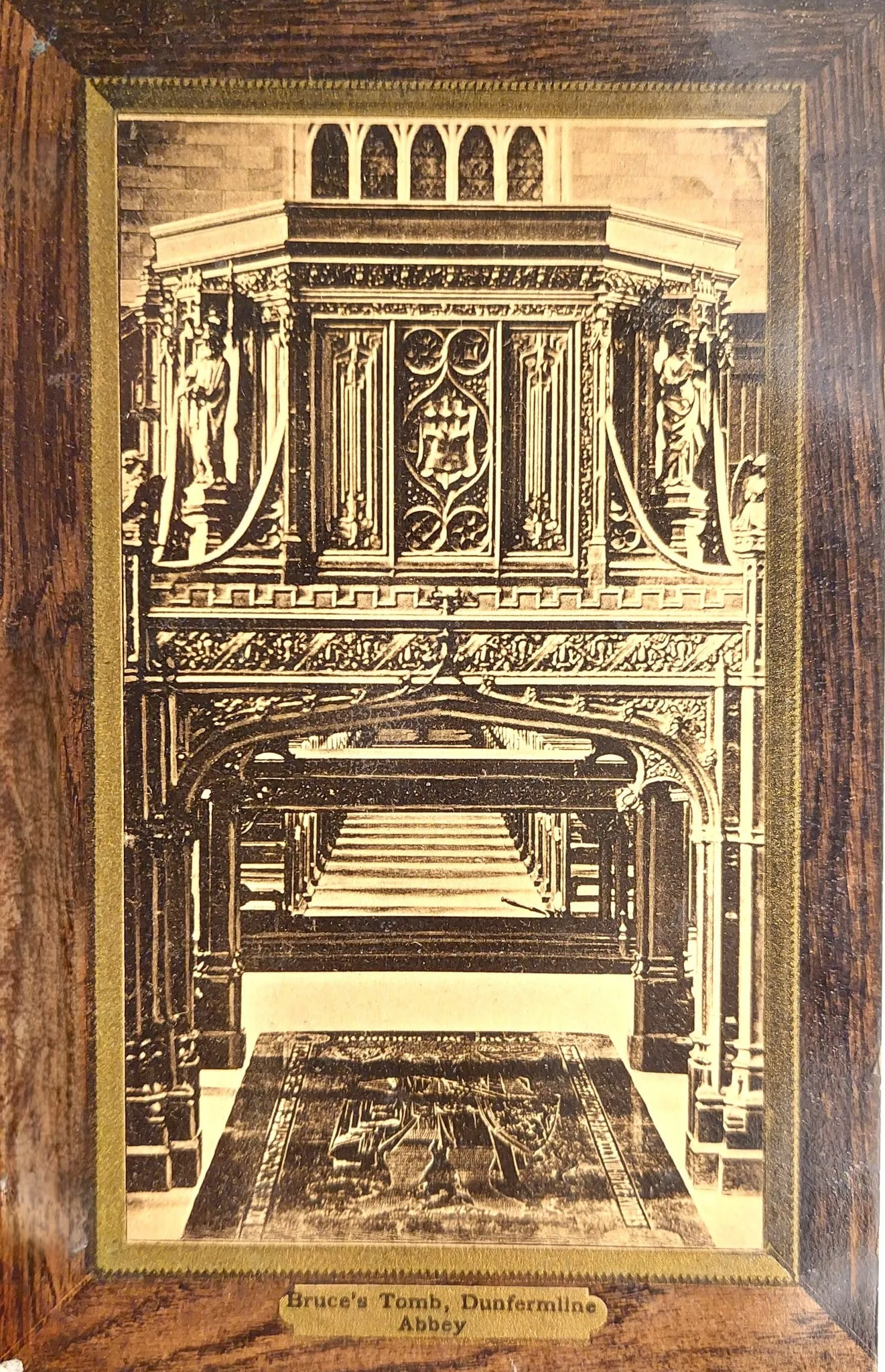
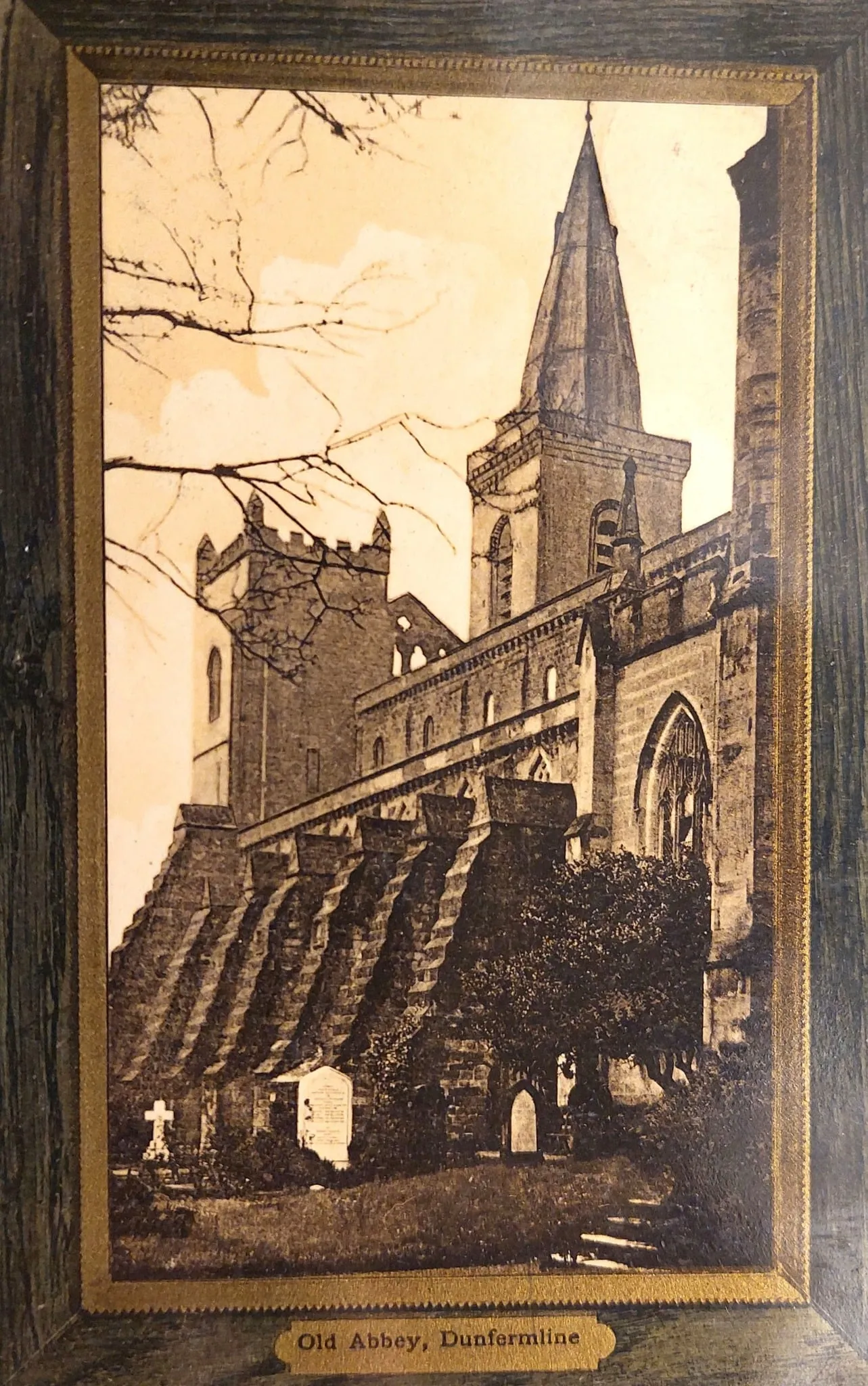
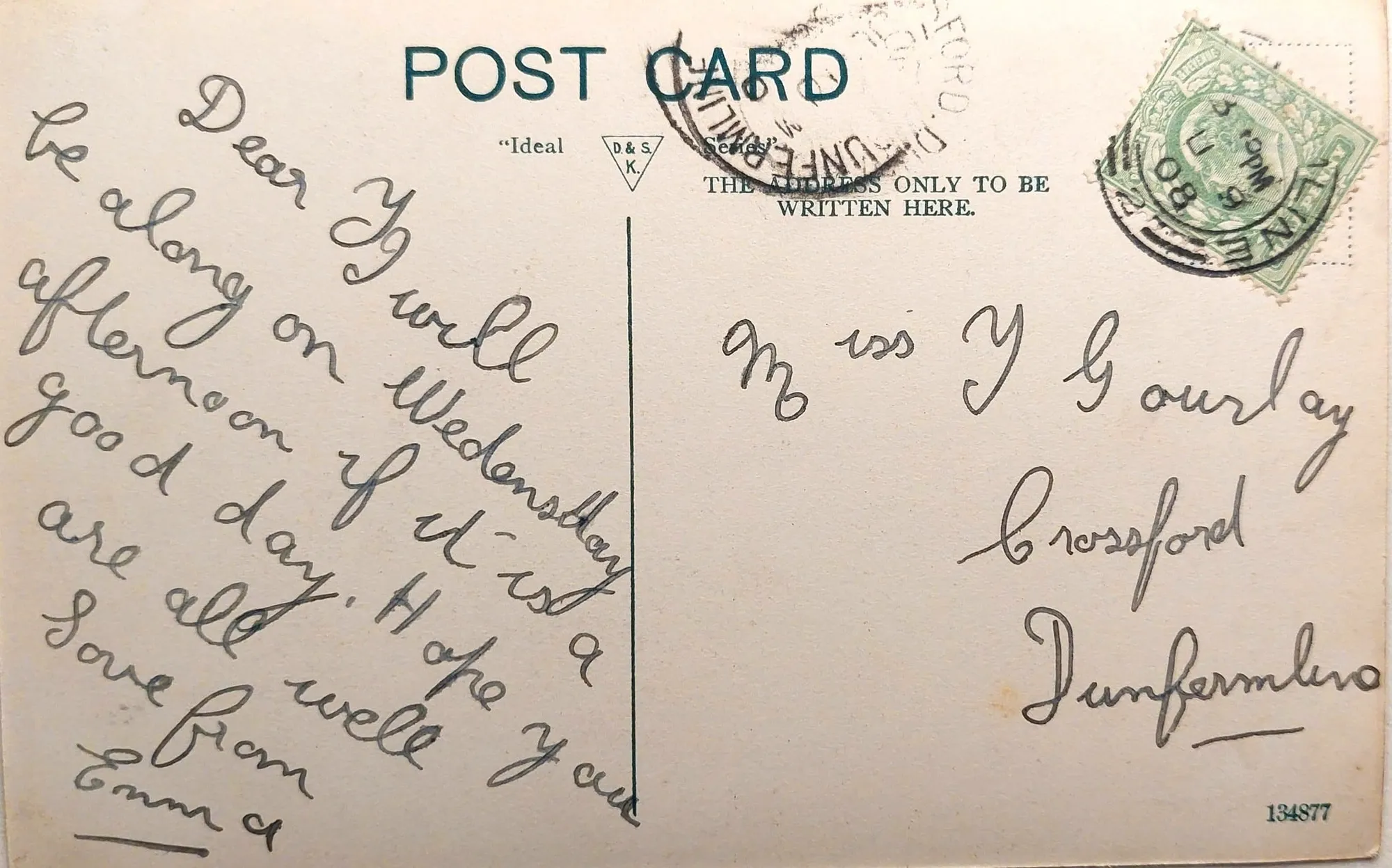
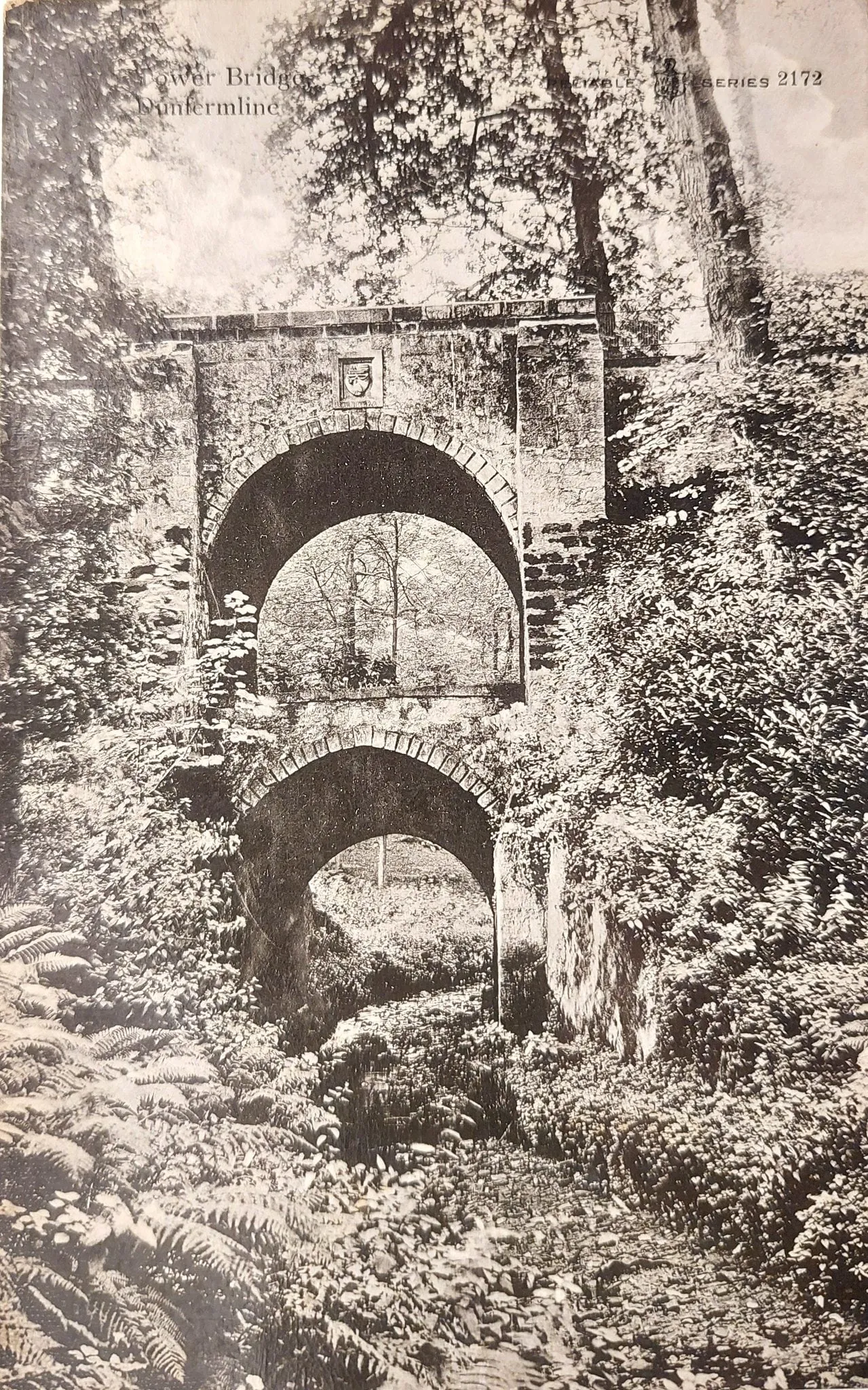
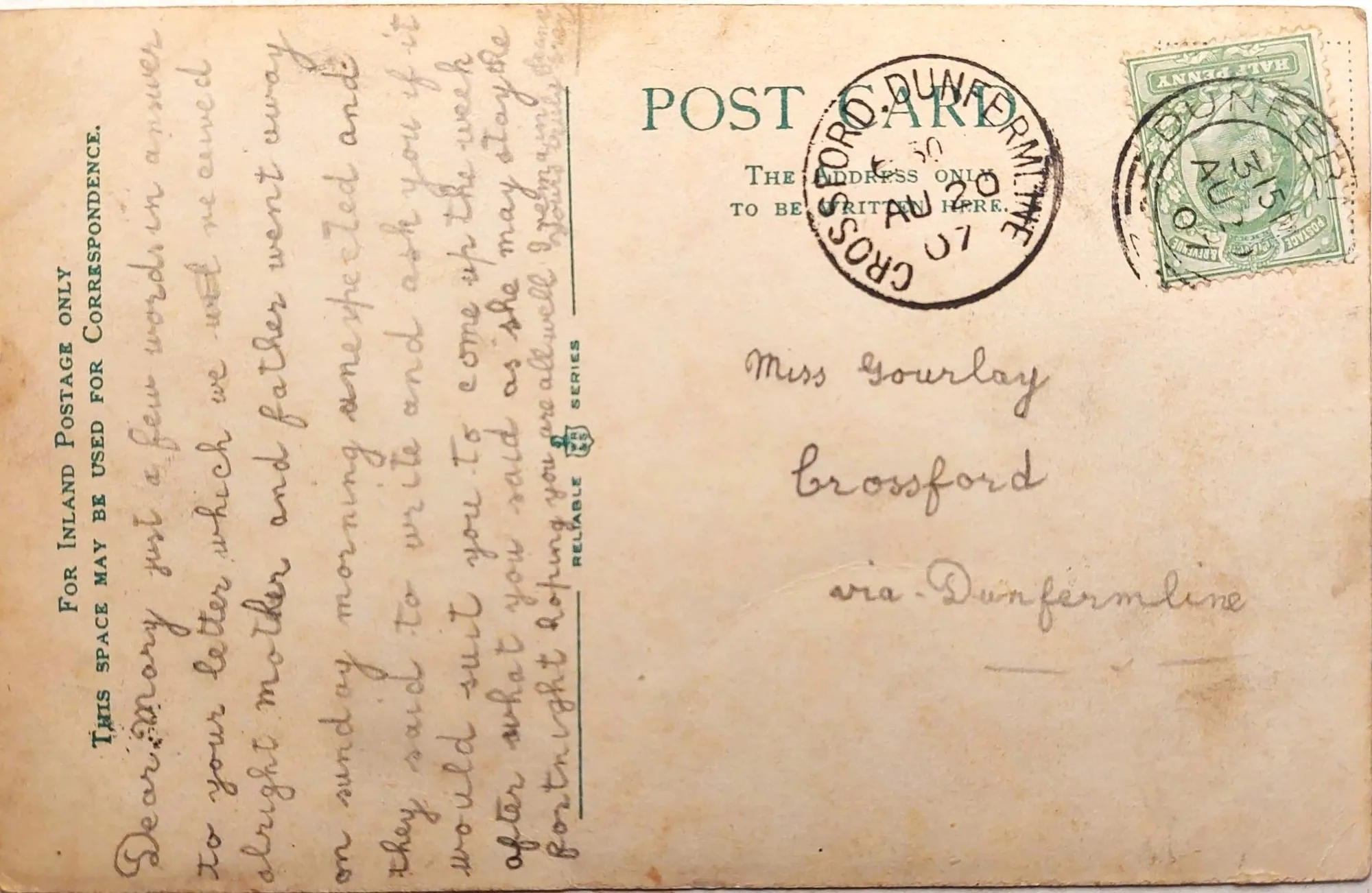
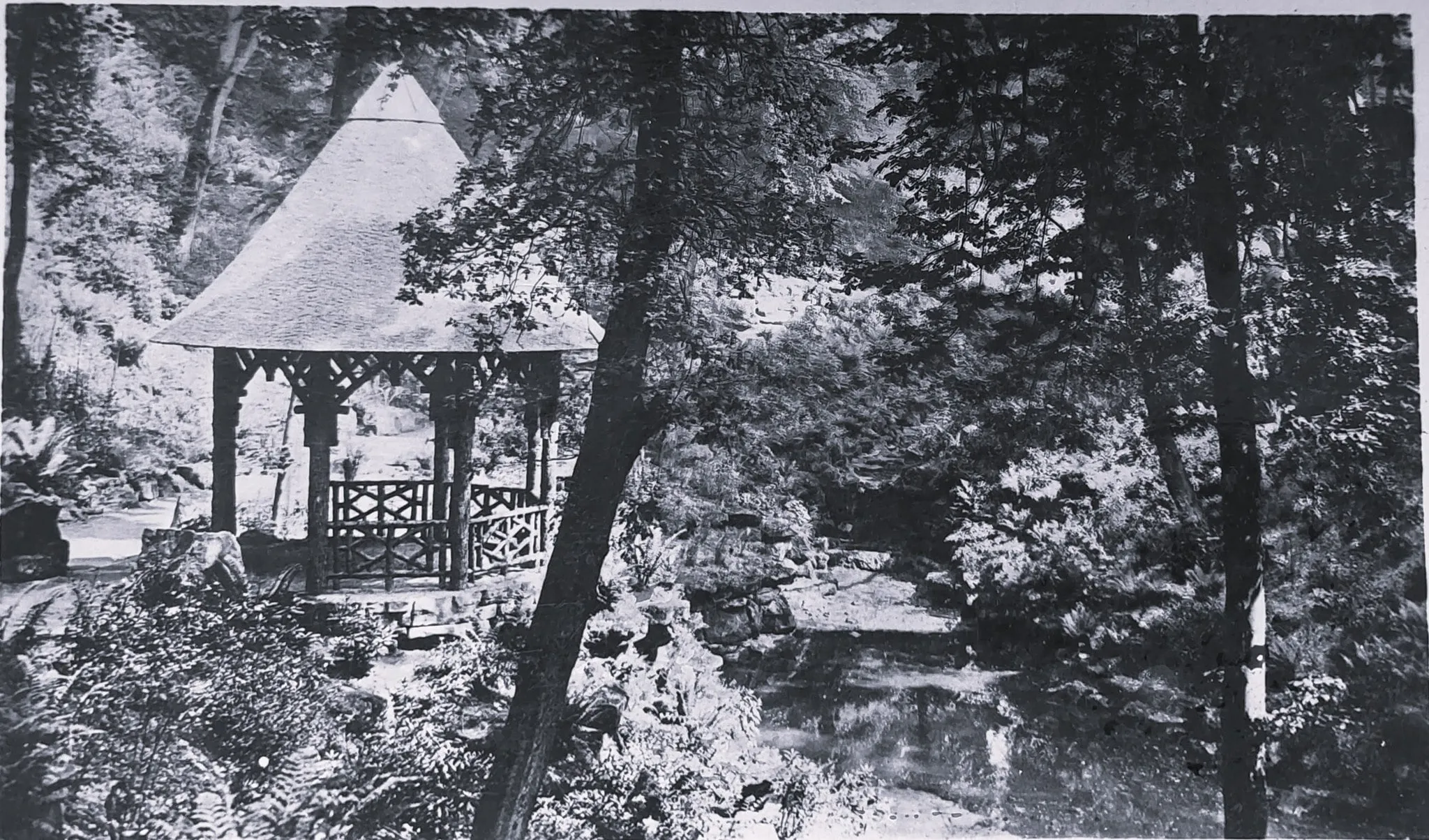
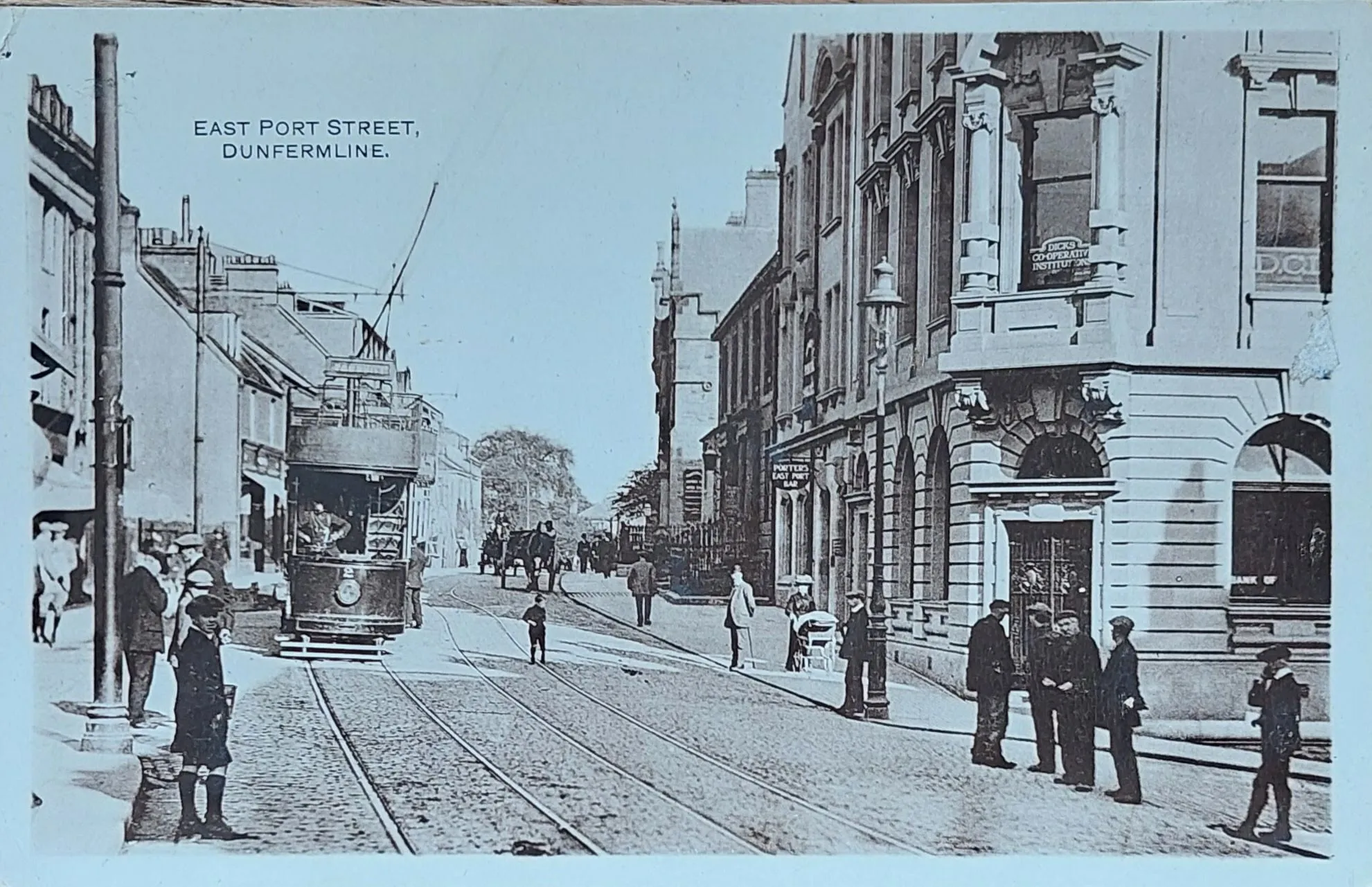
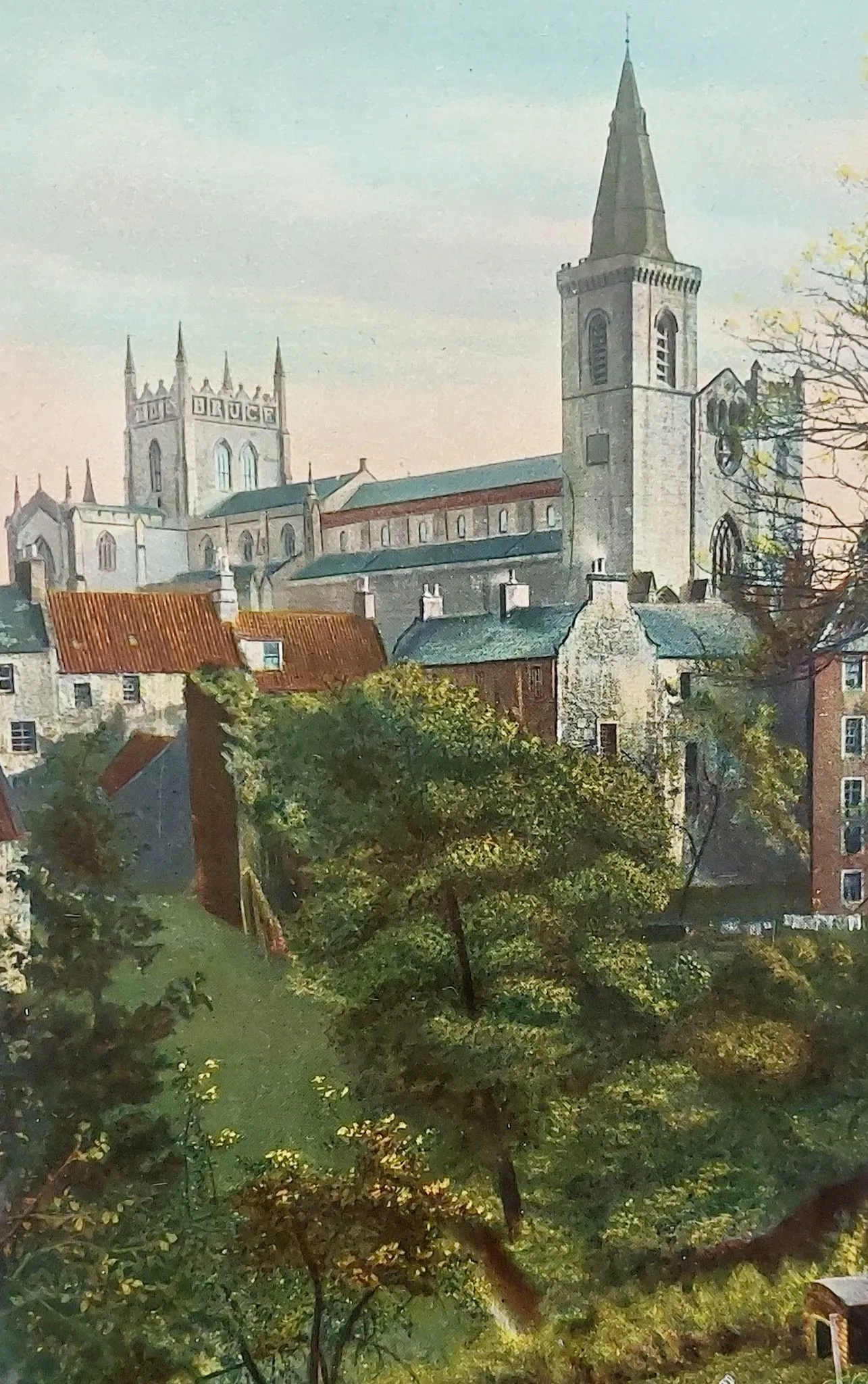
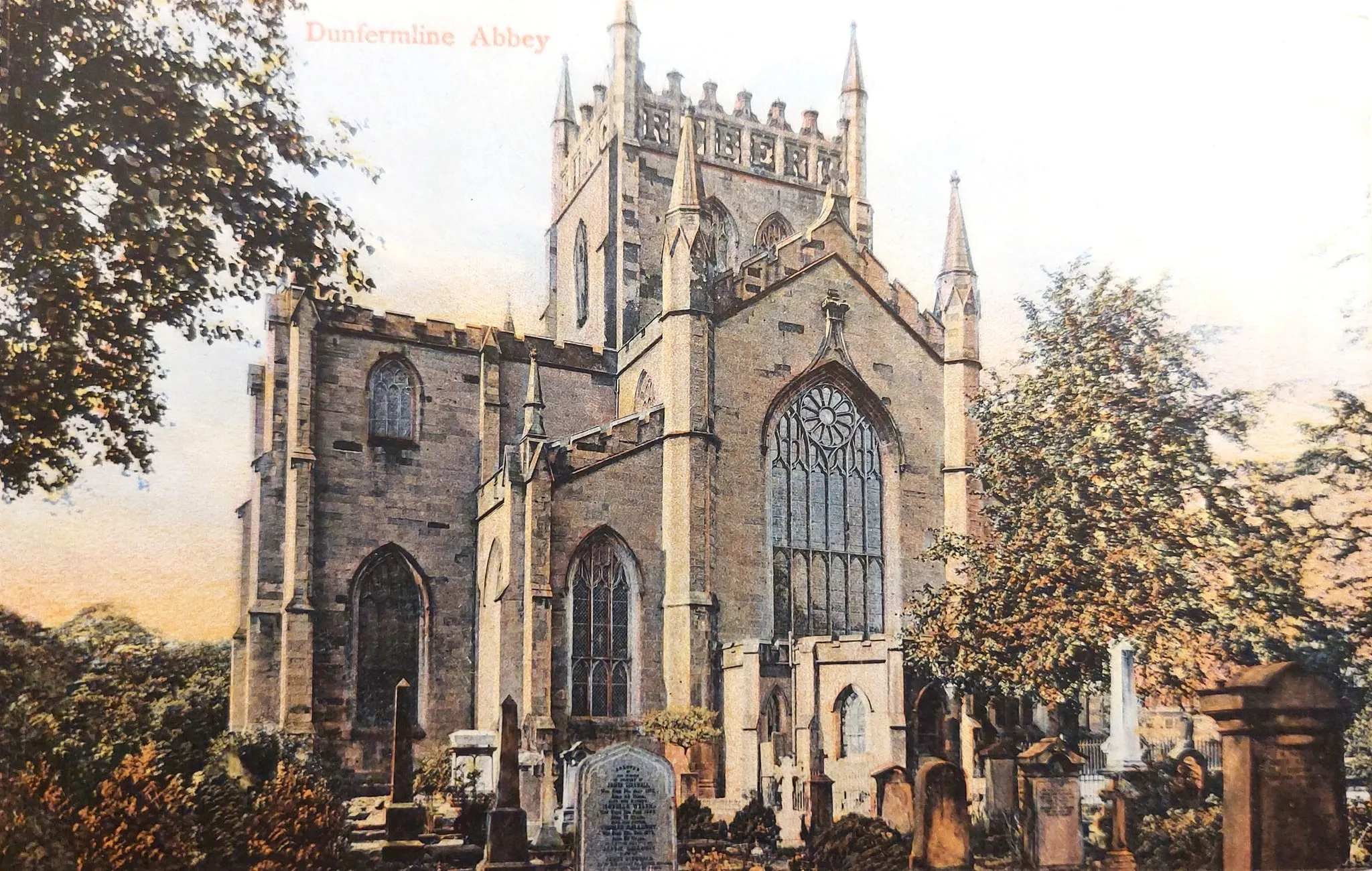
In my collection of fascinating old Dunfermline postcards 🖼️, I found several exchanged between members of the Gourlay family from Crossford, dating to the early 20th century. It’s often difficult to tell whether the “Language of Stamps” was used intentionally or if people were simply being playful with their postage 🤔. However, it’s fascinating to trace the various stamp positions used within one household.
Do you happen to have any old postcards in your possession?
Have you ever noticed unusual stamp placements—or wondered if a secret message might be hidden in plain sight? Could it be deciphered using traditional Victorian meanings—or was it something uniquely developed between family members? 🧐
Image “Language of Stamps”, courtesy of postalmuseum.org.
#dunfermlinehistory, #secretlanguageofstamps, #postalhistory.
Photographs